
A Failure to Launch
Play A Failure to Launch
A Failure to Launch Screenshots









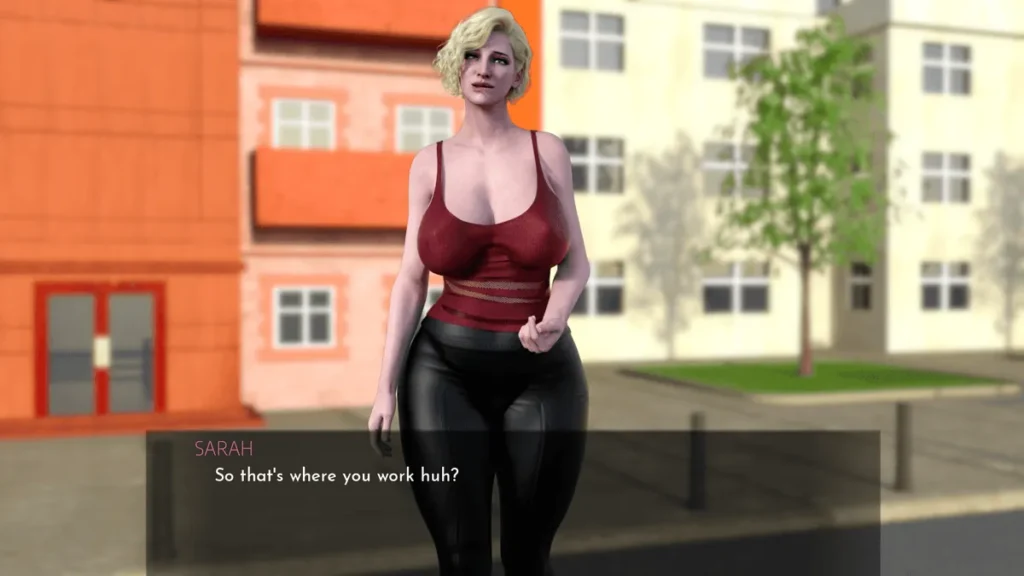
A Failure to Launch review
Explore gameplay mechanics, features, and what makes this indie title unique
A Failure to Launch is an indie game that has garnered attention for its unique approach to adult-oriented gaming. This comprehensive guide explores the game’s mechanics, features, and what players can expect from the experience. Whether you’re curious about the gameplay systems, character interactions, or overall design philosophy, this article breaks down everything you need to know about this distinctive title. We’ll examine the core mechanics, progression systems, and what sets it apart in the indie gaming landscape.
Understanding A Failure to Launch: Core Gameplay and Mechanics
Ever booted up a game expecting a power fantasy, only to be handed a shovel and told to dig your own grave? 😅 That’s the beautiful, brutal, and hilarious first impression of A Failure to Launch. This isn’t your typical hero’s journey; it’s a comedic, claw-your-way-up simulator where your biggest enemy is often your own terrible life choices. At its heart, the A Failure to Launch gameplay mechanics are a masterclass in turning mundane despair into compelling play. You don’t just fight monsters; you fight procrastination, debt, and the soul-crushing weight of your own potential.
Fundamentally, the game asks: what if a roguelike was set in a rundown apartment complex? Your “dungeon” is your daily grind. Each “run” represents a day, and your primary objective is to somehow gather enough resources—money, motivation, mental fortitude—to finally escape your pathetic circumstances. You’ll juggle part-time jobs, side hustles, awkward social encounters, and yes, actual combat with metaphorical (and sometimes literal) demons. The genius lies in how these systems intertwine. Skipping a job to go fight a monster in the local park might net you rare loot, but you’ll lose the day’s wages and your landlord will be one step closer to evicting you. This constant, laugh-or-cry cost-benefit analysis is the core loop. Let’s break down exactly how to play A Failure to Launch and why its systems feel so uniquely punishing and rewarding.
### What Is A Failure to Launch and How Does It Play?
Imagine if your life was a deck of cards, but half of them are “Crippling Self-Doubt” or “Unexpected Plumbing Bill.” 🃏 That’s the best way to visualize a day in this game. Each morning, you draw a hand of Action Cards from your deck, which represents your character’s current capabilities, obligations, and mental state. You then use these cards to navigate a node-based map of your town.
Your choices are everything. A node might be:
* The Job Centre: Play a “Networking” card for a chance at better employment, or a “Mindless Scroll” card to recover a bit of Sanity.
* The Gym: Use a “Fleeting Motivation” card to temporarily boost your stats for upcoming challenges.
* Your Apartment: Play “Nap” to heal, or “Ignore Problems” to let your Stat Debuffs stack up dangerously.
* A Strange Alley: This could lead to a combat encounter, a bizarre side-quest, or a chance to spend precious resources on something foolish.
I remember one run where I was so focused on grinding for a fancy new “Therapy” card that I ignored all my “Pay Rent” reminders. I finally unlocked the card, feeling triumphant… only to be immediately kicked out of my apartment, ending the run. The game has a wicked sense of humor, and it teaches you that balance isn’t just a strategy—it’s the only way to survive. This blend of strategic card management and spatial decision-making forms the bedrock of the A Failure to Launch gameplay mechanics. You’re not just building a character; you’re managing a life, one disastrously funny day at a time.
### Combat Systems and Battle Mechanics Explained
Alright, let’s talk about throwing hands (or psychic damage). When you stumble into a conflict—be it a literal sewer rat the size of a dog, your judgmental parents, or the terrifying “Internally Screaming” emotion—the game shifts to its brilliant indie game combat system. Forget static turn-based menus. This is where timing-based battle mechanics take center stage, and they are everything.
Here’s how it works: Both you and your foe have a timeline at the bottom of the screen. Your Action Cards appear as icons moving along this timeline. When a card icon hits the “Action Point,” you can activate it. But it’s not just a click-and-forget affair. Most cards have a timing mini-game. A “Wild Swing” attack might require you to press the button as a shrinking circle aligns. A “Defensive Posture” card might need you to hold the button for a precise duration. Mess up the timing, and the card’s effect is severely weakened, or worse, it fails entirely and you’re left exposed.
This system is the game’s make-or-break moment for many players. It transforms every battle from a stat-check into a nerve-wracking test of focus. You’re not just managing resources; you’re in the moment, sweating over a pixel-perfect press.
The foes you face are brilliantly designed to exploit this. A fast enemy like “Anxiety Gremlin” will flood the timeline with quick, weak attacks, forcing you to juggle multiple timing inputs in rapid succession. A slower, heavier enemy like “Corporate Drone” will have one massive, telegraphed attack that requires perfect timing to block or dodge, punishing you severely for a mistimed button press. This indie game combat system demands that you learn enemy patterns just as much as you build your deck. It’s a fusion of RPG strategy and rhythm game execution that feels incredibly fresh and deeply satisfying to master.
To help you prepare, here’s a breakdown of some common adversaries you’ll face on your journey to slightly-less-mediocrity.
| Enemy Type | Key Mechanics | Primary Rewards | Difficulty Tip |
|---|---|---|---|
| Anxiety Gremlin | Fast, multi-hit attacks that clutter the timeline. Low health. | Small Sanity recovery, “Fleeting Courage” card. | Use wide “Sweeping” attack cards to clear their rapid icons. Don’t try to perfect-block every hit. |
| Procrastination Ooze | Applies “Sticky” debuffs that slow your card cooldowns on the timeline. | Bonus Time resource, “Sudden Focus” consumable. | Prioritize cards that cleanse debuffs. Burst it down quickly before your timeline grinds to a halt. |
| Debt Collector | Heavy, single-hit attacks that also steal Gold if they connect. | Large Gold sum, chance for “Negotiation” skill card. | Timing is paramount. A perfect block negates the gold steal and stuns them. Miss, and you’re poor and hurting. |
| Existential Dread | Periodically applies “Despair,” which reduces the power of all your cards. | Major Experience, “Glimmer of Hope” permanent upgrade. | A war of attrition. Build a deck with high base power and reliable healing. Sanity management is key. |
### Progression, Unlocks, and Resource Management
So you’ve fought the good fight, and you’ve inevitably failed. Welcome to the best part! 🎉 A Failure to Launch employs a roguelike progression system that turns every catastrophic run into a stepping stone. When your character finally collapses—broke, insane, or evicted—you don’t go back to square one. You return to the “Life Map,” a meta-progression screen where you spend the permanent resources you’ve earned.
This is where the genius of resource management in indie games truly shines. You’re managing two distinct economies:
-
Run-Specific Resources: These are lost when you fail.
- Gold: Pays rent, buys consumables, bribes certain obstacles.
- Sanity: Your secondary health bar. Depleted by stress, fear, and bad life choices. If it hits zero, you have a breakdown and the run ends.
- Time: The most precious commodity. Every action consumes time. Run out of time in a day, and you’re forced home, potentially unprepared for nighttime events.
-
Permanent Resources: These are banked between runs.
- Insight: Earned from completing objectives and defeating tough foes. Used to unlock permanent new Action Cards that can appear in your deck from then on.
- Resolve: Gained from making measurable progress, like paying off a chunk of debt. Used to unlock permanent passive buffs, like starting with +5 Sanity or a small Gold bonus.
- Unlock Tokens: Rare drops from specific challenges. Used to unlock entirely new character archetypes (like “The Grifter” or “The Hermit”) with completely different starting decks and stats.
The cost-benefit analysis is constant. Do you spend 50 Gold on a better weapon for this run, or do you hoard it to pay your rent and earn 10 Resolve? Do you use your “Therapy Session” card to recover Sanity now, or save it to potentially negate a devastating mental attack from a boss later? This roguelike progression system ensures you’re always moving forward, even when you’re moving backwards. A failed run that unlocked the “Certified Public Accountant” card or the “Basic Meal Prep” passive buff can completely revolutionize your next attempt.
A recent update added a controversial but fascinating layer: Debt Interest. Now, if you ignore your main debt for too many runs, the total amount owed increases slightly. Some players love the added pressure, arguing it better simulates the crushing reality of modern life. Others find it overly punitive, forcing them into rigid playstyles to keep the interest down. It’s a design choice that certainly sparks discussion!
Frequently Asked Questions About Progression
-
What should I spend my first permanent resources on?
Personally, I recommend focusing on utility unlocks first. A passive like “Found Loose Change” (start with +10 Gold) or “Thick Skin” (+10 Max Sanity) provides a safety net that makes every subsequent run more stable. It’s less flashy than a new attack card, but far more reliable for learning the game’s rhythms. -
Is it better to focus on paying off debt or unlocking new content?
This is the game’s central dilemma! 💎 A balanced approach is best. Ignoring your debt lets interest pile up, making the eventual payoff harder. But ignoring unlocks can make you feel stagnant. My strategy was to dedicate one run per session purely to earning permanent resources (taking big risks, exploring dangerous nodes), and the next run focusing on debt reduction with a safer, more optimized deck. -
How does the deck-building work? Do I curate my deck between runs?
You don’t directly edit your deck. Instead, you influence your card pool. Unlocking a new permanent card adds it to the potential cards you can find or start with. During a run, you can add cards from rewards or shops, and remove unwanted cards at certain locations (like a “Therapy” node, fittingly). This means your starting hand becomes more consistent and powerful as you unlock better cards and remove the junk from the rotation. -
What’s the most common mistake new players make with resources?
Hoarding consumables for “the right moment.” That “Emergency Cash” item or “Moment of Clarity” potion can save a run that’s going sideways. If you die with a backpack full of unused items, you’ve lost all that potential value. Be generous with yourself during a run. Use resources to survive now, so you can earn more later.
Mastering the A Failure to Launch gameplay mechanics is a journey of embracing failure. Its unique blend of timing-based combat, strategic cardplay, and deeply integrated resource management in indie games creates a loop that’s as addictive as it is relatable. Every small victory—a perfect block, a clever card combo, a debt payment—feels earned. And every failure teaches you a darkly funny lesson about priorities. It’s more than a game; it’s a hilariously accurate simulator of trying to get your act together, one beautifully messed-up run at a time.
A Failure to Launch represents an interesting entry in the indie gaming space, combining roguelike mechanics with adult-oriented content and unique progression systems. The game’s emphasis on resource management, timing-based gameplay, and character interactions creates a distinctive experience that appeals to players seeking something different from mainstream titles. While the game has faced criticism regarding certain design choices and technical issues, it continues to evolve with updates. Whether you’re drawn to the gameplay mechanics, the character designs, or simply curious about what indie developers are creating, A Failure to Launch offers a complete package worth exploring. For those interested in indie games that push boundaries and experiment with unconventional mechanics, this title deserves consideration.