
Apocalust
Play Apocalust
Apocalust Screenshots















Apocalust review
Dive into the psychedelic world of survival, choices, and steamy encounters
Imagine waking up in a twisted, psychedelic apocalypse where every decision leads to wild survival challenges and intense intimate moments. That’s Apocalust, the standout adult game blending post-apocalyptic adventure with explicit scenes that keep players hooked. I’ve spent hours exploring its vibrant character designs and branching storylines, and let me tell you, it’s a thrilling ride. Whether you’re into deep narratives or just the steamy visuals, this guide uncovers everything from core mechanics to hidden unlocks. Stick around to see why Apocalust stands out in the interactive entertainment scene and how you can dive in today.
What Makes Apocalust the Must-Play Adult Adventure?
It was one of those nights. You know the kind—scrolling through endless titles, everything looking kind of… samey. Then I saw it: Apocalust. The name alone made me pause. “A psychedelic apocalypse game?” I mumbled, clicking through. A few hours later, my coffee was cold, and I was utterly, wonderfully lost. The screen was a riot of neon against decay, the story pulling me into a world where desire and delirium were the last things standing. I wasn’t just playing a game; I was tumbling headfirst into a fever dream. And friends, it was a trip worth taking.
So, what is Apocalust? In my personal Apocalust review, I’d call it a masterclass in adult adventure gaming. It’s a narrative-driven experience where every choice feels weighty, every character is vividly flawed and fascinating, and the world is a mesmerizing blend of terror and tantalizing beauty. If you’re tired of predictable stories and want a game that truly reacts to your decisions, buckle up. Let’s dive into why this title deserves a prime spot in your library. 🌀
Unpacking the Psychedelic Post-Apocalyptic Storyline
Forget gray, barren wastelands. The Apocalust storyline begins with a different kind of collapse. The world hasn’t ended with a bang or a whimper, but with a bizarre, reality-bending pulse that twisted perception itself. This isn’t your average zombie fare; it’s a psychedelic apocalypse game where the rules of physics and sanity are… optional.
You play as a survivor thrust into this psychodelusional chaos. One minute you’re scavenging for supplies in a crumbling mall, the next you’re navigating a corridor that pulses with organic, neon light, unsure if the whispers you hear are other people or just the fractured world talking back. The genius of the Apocalust game narrative is how it weaves this constant, low-grade horror with moments of dark humor and raw, human connection.
The cast you meet is unforgettable. There’s Kael, the pragmatic but wounded ex-soldier who’s seen too much, and Lyra, an artist whose visions might be the key to understanding the new world or a fast track to deeper madness. Your interactions with them aren’t just side quests; they’re the emotional core of the experience. The Apocalust world forces intimacy, both emotional and explicit, as a means of survival and solace against the incomprehensible. It’s a story about finding light—and heat—in the most desperate of places.
How Player Choices Shape Your Apocalust Experience
This is where Apocalust truly shines. The Apocalust player choices system isn’t cosmetic. It’s the engine of the entire experience. From major moral crossroads to seemingly innocent dialogue options, everything you do branches the narrative, locks (or unlocks) paths, and defines your relationships.
Think a choice only affects the next scene? Think again. An act of kindness (or cruelty) toward one character in Chapter 2 can dramatically alter who’s willing to help you—or share your bed—in Chapter 5. The game tracks your reputation, your desires, and even your curiosity. Do you spend your limited “Psyché” resource to stabilize a crumbling building for shelter, or use it to delve into a mysterious, glowing anomaly that promises visions… and danger?
This is a game that rewards—and demands—multiple playthroughs. My first run, I played it safe, a cautious survivor. My second? I embraced the weird, choosing dialogue options that leaned into the madness. The scenes, outcomes, and even which characters I could pursue became wildly different. It’s a testament to the depth of the Apocalust game design.
To help you plan your descent, here’s a breakdown of the core ways to experience this world:
| Mode | Key Features | Best For |
|---|---|---|
| Story Mode | Reduced survival pressure, abundant resources, focus on narrative exploration and relationship building. | Players who want to experience the full **Apocalust storyline** and character arcs without intense management. |
| Exploration Mode | Standard resource scarcity, balanced challenge, encourages thorough map exploration for secrets and alternate scenes. | Those seeking the complete, intended **Apocalust** experience of survival, story, and discovery. |
| Hardcore Survival | Severe resource limits, permanent consequences for choices, faster “despair” accumulation. A true test. | Veterans wanting the ultimate challenge where every **Apocalust player choice** carries maximum weight. |
Why Apocalust’s Visuals and Scenes Captivate Players
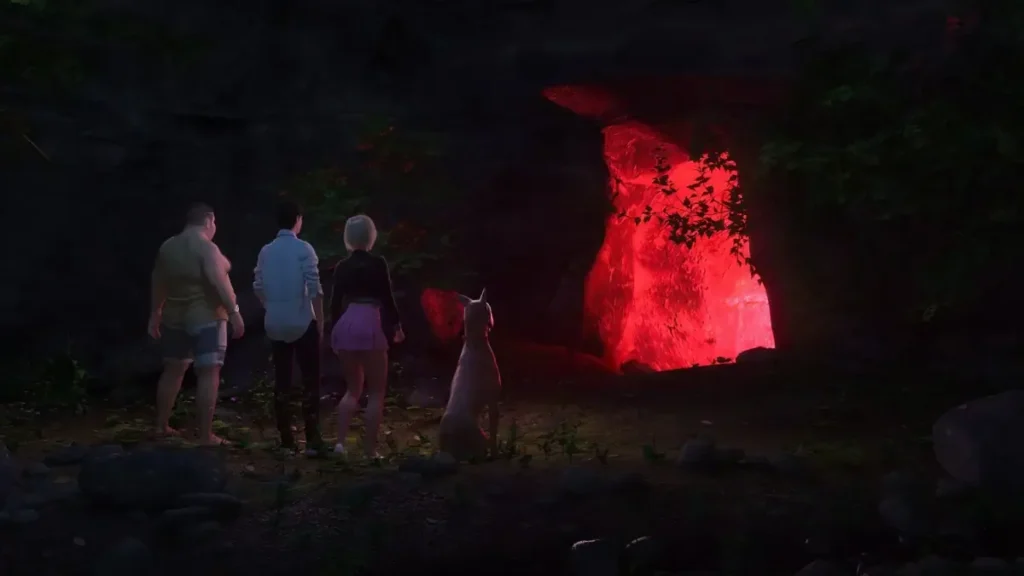
Let’s talk about the screen. The visual design of Apocalust is nothing short of stunning. It takes the “psychedelic” in psychedelic apocalypse game and runs with it. Environments are a haunting mix of detailed ruin and surreal, fluid hallucinations. One moment you’re in a grimy subway tunnel, the next the walls are breathing with luminescent fungal growths. The art direction consistently blurs the line between nightmare and fantasy.
This extends powerfully to the characters and their moments of connection. The returning cast isn’t just a collection of archetypes; they’re visually distinct, with designs that reflect their personalities and traumas. When intimate scenes unfold, they are framed with the same cinematic care and artistic flair as the rest of the game. They feel earned, a culmination of your choices and the relationship you’ve built, rather than a random reward. The lighting, the color palettes that shift with emotion, the careful focus on expression—it’s all crafted to be captivating and immersive.
My advice for a first playthrough? Don’t rush. Talk to everyone. Sometimes the most revealing (or enticing) information comes from a second or third conversation. Save often in different slots—”save-scumming” is not cheating here, it’s the key to unlocking the vast breadth of content the developers have hidden. And most importantly, play authentically. Follow your instincts, whether they lead you toward compassion, power, or hedonistic escape. That’s how you’ll craft your unique Apocalust story.
Ready to see how deep the rabbit hole goes? In the following chapters, we’ll get into the nitty-gritty: building your perfect survivor, decoding the game’s most obscure mysteries, and deep-diving into the arcs of each compelling character. The adventure is just beginning. 🔥
- Experiment with dialogue options early. Save before conversations and try all the bold choices—you’ll be surprised where they lead.
- Prioritize relationship-building. Higher affinity with characters unlocks exclusive scenes, story branches, and crucial survival assistance.
- Manage your “Psyché” meter wisely. It fuels both survival actions and unique story explorations. Balance is key.
- Explore every shimmering anomaly. These psychedelic hotspots often hide critical lore, resources, or shortcuts.
- Embrace multiple saves. One “perfect” run is impossible. Create separate save files at major decisions to revisit and explore alternate paths later.
Apocalust masterfully mixes survival thrills, branching stories, and captivating visuals into an unforgettable adult gaming experience. From my own dives into its psychedelic depths, the real magic lies in how your choices unlock personal tales of adventure and desire. If you’re ready for a game that pushes boundaries and rewards replayability, grab Apocalust now and start crafting your own epic. Share your wildest playthrough stories in the comments—what path did you take?