
Boat
Play Boat
Boat Screenshots


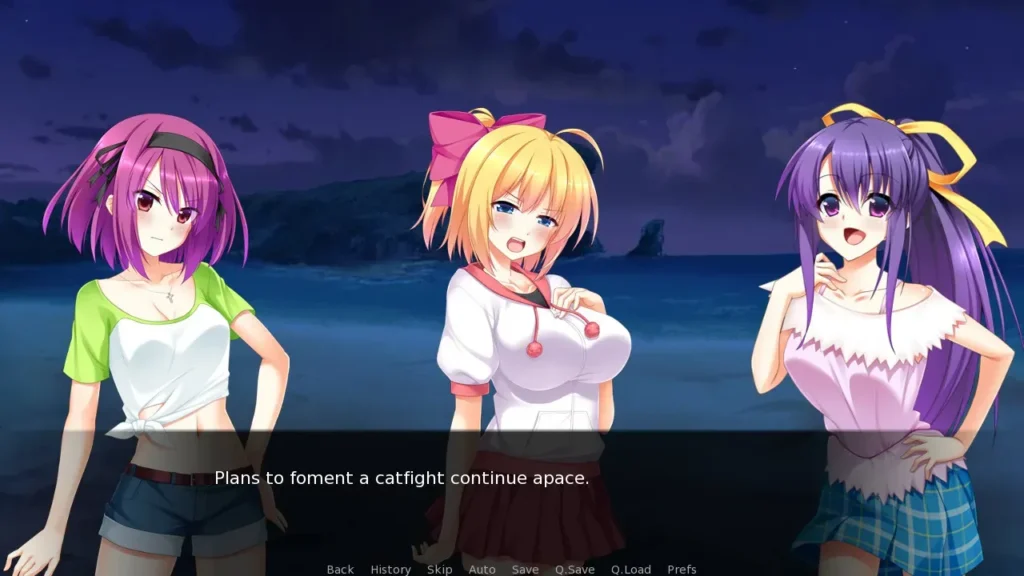
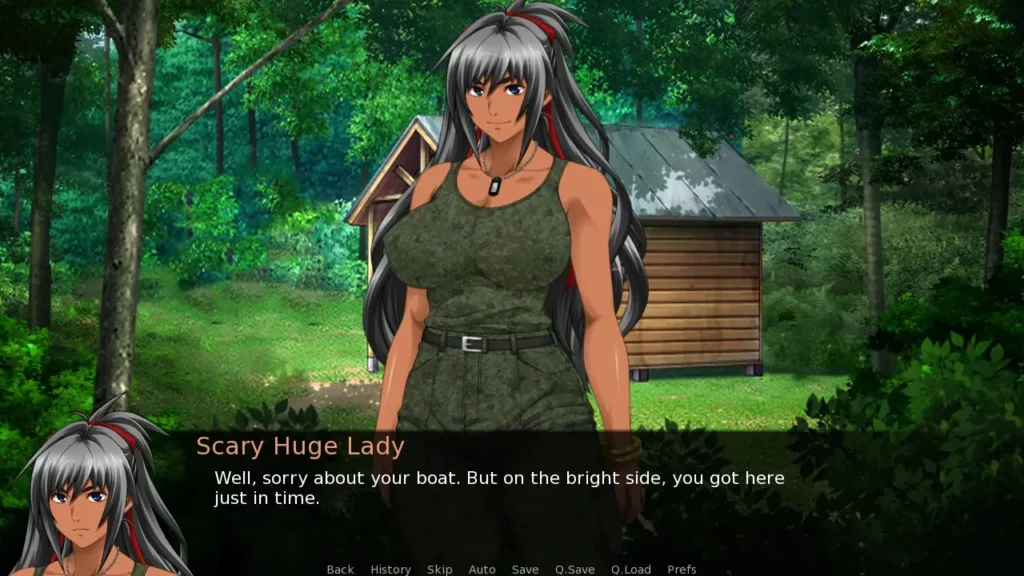





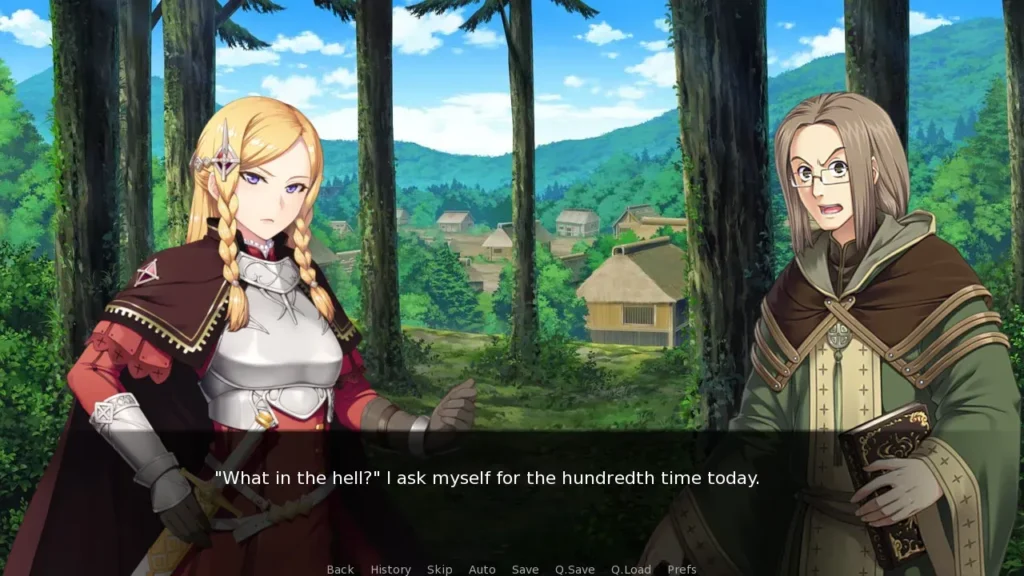


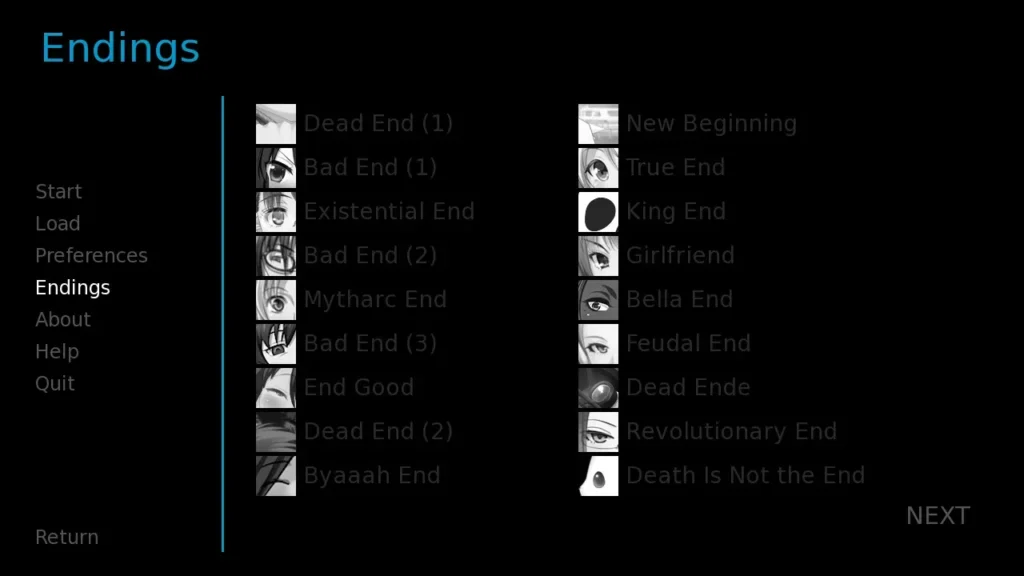
Boat review
Master the narrative-driven adventure with tactical combat and branching storylines
Boat stands out as a narrative-driven experience that combines exploration, tactical decision-making, and character-driven storytelling. Developed by Saberoge and released in 2019, this game has captivated players with its unique blend of branching narratives, dynamic encounters, and meaningful player agency. Whether you’re embarking on your first playthrough or looking to master advanced strategies, understanding the core mechanics and features will significantly enhance your experience. This guide covers everything from initial setup to advanced tactics that will help you unlock the game’s full potential.
Understanding Boat’s Core Gameplay Mechanics
At its heart, Boat is a masterclass in weaving together player choice, strategic thinking, and a deep sense of adventure. It’s not just about steering a ship from point A to point B; it’s about shaping a living, breathing world with every word you say and every action you take. The core appeal lies in its powerful synergy of branching narrative gameplay, a challenging tactical combat system, and rewarding exploration and discovery.
This guide will break down these fundamental Boat game mechanics to give you the confidence to set sail. Whether you’re a story enthusiast or a strategy fanatic, understanding these systems is the key to unlocking the game’s full potential. 🧭
How Branching Narratives Shape Your Journey
Forget linear stories where you’re just along for the ride. Boat places the pen in your hand, offering profound player agency in games that feels both weighty and meaningful. The narrative is a vast, interconnected web where your decisions echo across the entire ocean.
Every dialogue choice is more than just flavor text. Agreeing to help a desperate villager might lead you to a hidden cove filled with riches, but it could also make you late for a crucial meeting with a fleet admiral, permanently altering your standing with a major faction. I remember early in my playthrough, I opted to show mercy to a surrendering pirate captain. Weeks later, that same captain and his crew appeared out of the fog to aid me in a seemingly hopeless battle. The game remembers everything. 🗺️
This branching narrative gameplay extends far beyond conversation. How you manage your resources is a narrative choice in itself. Do you spend your last planks and nails repairing a refugee’s fishing vessel, earning their undying loyalty but leaving your own ship vulnerable? Or do you keep the resources for yourself, ensuring your survival but hardening your crew’s hearts? These aren’t just resource checks; they are character-defining moments that reshape your crew’s loyalty and the world’s perception of you.
The world state itself is fluid. Certain ports may become locked or open based on your allegiances. Key characters can live, die, or vanish based on your actions. This creates a uniquely personal story, where your journey through Boat’s world is truly your own. The player agency in games here isn’t an illusion; it’s the core engine driving your entire experience.
Pro Tip: There is no “right” way to play. Lean into your instincts. Want to be a pragmatic, profit-driven captain? Do it. Feel like being a heroic champion of the downtrodden? The story will support you. The best first playthrough is an honest one.
Mastering Tactical Combat and Crew Management
When conflict arises—and it will—Boat transitions from a narrative masterpiece to a demanding strategic puzzle. Success hinges on mastering two intertwined systems: the moment-to-moment tactical combat system and the long-term crew management strategy.
Let’s start on the open sea. Naval combat tactics are less about broadsides and more about surgical precision. You can’t just blast away and hope for the best. The smart captain targets a ship’s sails first to cripple its mobility and control the engagement range. Once you’ve positioned yourself advantageously, you shift fire to their cannon decks to reduce incoming damage. Only then, when the enemy is slowed and silenced, do you consider a boarding action for maximum reward. This three-phase approach is the cornerstone of effective naval combat tactics. ⚓
Boarding actions bring the fight onto the deck, where your crew management strategy is put to the ultimate test. Combat is governed by an Action Points (AP) system, shared for movement, attacks, and special abilities. Positioning is everything. You need to create choke points, protect your vulnerable supports, and flank high-value targets.
This is where your crew’s roles become critical. You don’t have generic sailors; you have specialists whose synergy you must orchestrate.
- Tanks: These hardy souls draw enemy aggression and hold the line. Use them to block corridors and protect your more fragile crewmates.
- Damage Dealers: Your primary source of hurt. They often have abilities that exploit enemy vulnerabilities or deal massive damage to single targets. Keep them safe and let them work.
- Supports: The backbone of your crew. They heal, remove negative effects, and provide powerful buffs like increased accuracy or damage. A support alive is often the difference between victory and a reload.
Managing them goes beyond combat. Their morale fluctuates based on your narrative choices, the loot you share, and how you treat casualties. A happy crew fights better and unlocks special banter and story moments. A discontented one may suffer penalties in combat or even mutiny. Your crew management strategy is a constant balancing act between their needs and the ship’s goals.
To help visualize these crucial roles, here’s a breakdown:
| Crew Role | Primary Function | Key Positioning Strategy |
|---|---|---|
| Tank | Absorb damage and control enemy focus (aggro). | Place at the front to create a shield wall, blocking access to your backline. |
| Damage Dealer | Eliminate high-priority targets quickly. | Keep behind tanks. Flank immobilized enemies for bonus damage. |
| Support | Heal, cleanse debuffs, and apply buffs to allies. | Position in the very back, with a clear line of sight to all frontline crew. |
The Exploration and Discovery System
If combat is the storm, then exploration is the calm, rewarding sea that makes the journey worthwhile. Boat actively discourages rushing. The world is packed with secrets, and the game’s exploration and discovery systems are designed to reward the curious captain. 🏝️
Every island, every port town, every seemingly empty stretch of coastline holds potential. The Voyage Log is your key here. It’s not just a quest tracker; it’s a customizable captain’s journal. You can plot your route, schedule time for specific activities like fishing or repairs, and set the overall pacing of your journey. Planning a day for “coastal survey” might reveal a shipwreck, while setting time for “port business” could open up new trade opportunities.
On land, the mantra is: investigate everything. Talk to every NPC—not just the ones with obvious quest markers. The old sailor by the docks might gossip about a buried stash on a nearby island. Read notices on tavern boards and letters on desks. Environmental storytelling is rich; a set of broken crates and a blood trail leading into the jungle is an unmarked invitation to investigate.
This philosophy extends to the smallest details. That “seemingly nondescript” rock formation on your map? Sail close. That odd-looking tree on a shoreline? Drop anchor and check it out. Click on those shimmering spots in the water or the slightly different textured patches of sand. Boat rewards this thoroughness not just with experience points, but with unique gear, vital resources for ship upgrades, and, most importantly, chunks of story that flesh out the world and provide alternative paths in the branching narrative gameplay.
My most memorable moment came from investigating a “minor leak” report on my ship, which led to a mini-quest about a stowaway, which eventually unlocked an entirely new faction storyline. Nothing was signposted with a giant exclamation point; it was pure, rewarded curiosity.
Remember: Experience and progression aren’t locked behind combat. Some of the most significant story beats and character upgrades come from simply talking, exploring, and piecing together the world’s mysteries.
To put all this theory into practice, here is your essential launch plan:
Your First 30-Minute Launch Plan in Boat 🚀
- Character Creation: Don’t overthink stats, but do think about your captain’s background. It can provide unique dialogue options that enhance player agency in games from the very first conversation.
- The First Port: Before you even get your ship, walk every inch of the starting town. Talk to everyone with a name. Click on glowing objects and read every book/note you find.
- Crew Introduction: When you recruit your first few crew members, open their character sheets immediately. Understand their roles (Tank, Damage, Support) and note any special abilities they have.
- Initial Voyage Log Setup: For your first sailing trip, set the Voyage Log to “Leisurely Pace” and allocate time for “Exploration.” This increases your chance of random discoveries.
- First Naval Encounter: When combat is unavoidable, practice the sail-cannon-board priority. Use your AP carefully, and always end a turn with your tank between the enemy and your support.
- Post-Combat Check: Always talk to your crew after a fight. Their comments will give you insight into their morale and can sometimes trigger small story scenes.
By embracing these core Boat game mechanics—the weight of your choices, the depth of your strategy, and the joy of uncovering secrets—you’ll transform from a simple sailor into the true architect of your own legendary voyage. Now, hoist the sails. Your story awaits.
Boat delivers a rich gaming experience that rewards both strategic thinking and thorough exploration. By understanding the interconnected systems of branching narratives, tactical combat, and meaningful exploration, you’ll unlock the full depth of what makes this game compelling. The key to success lies in engaging with every element—from careful crew management to thoughtful dialogue choices that shape your unique story. Whether you’re drawn to the narrative complexity or the tactical challenges, Boat offers countless hours of discovery and meaningful decision-making. Start your journey today and experience how your choices truly matter in crafting your own maritime adventure.