Demons of the Hearth
Play Demons of the Hearth
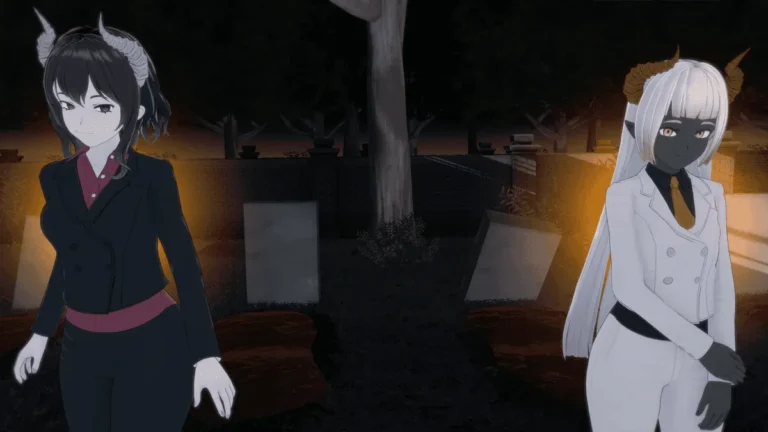
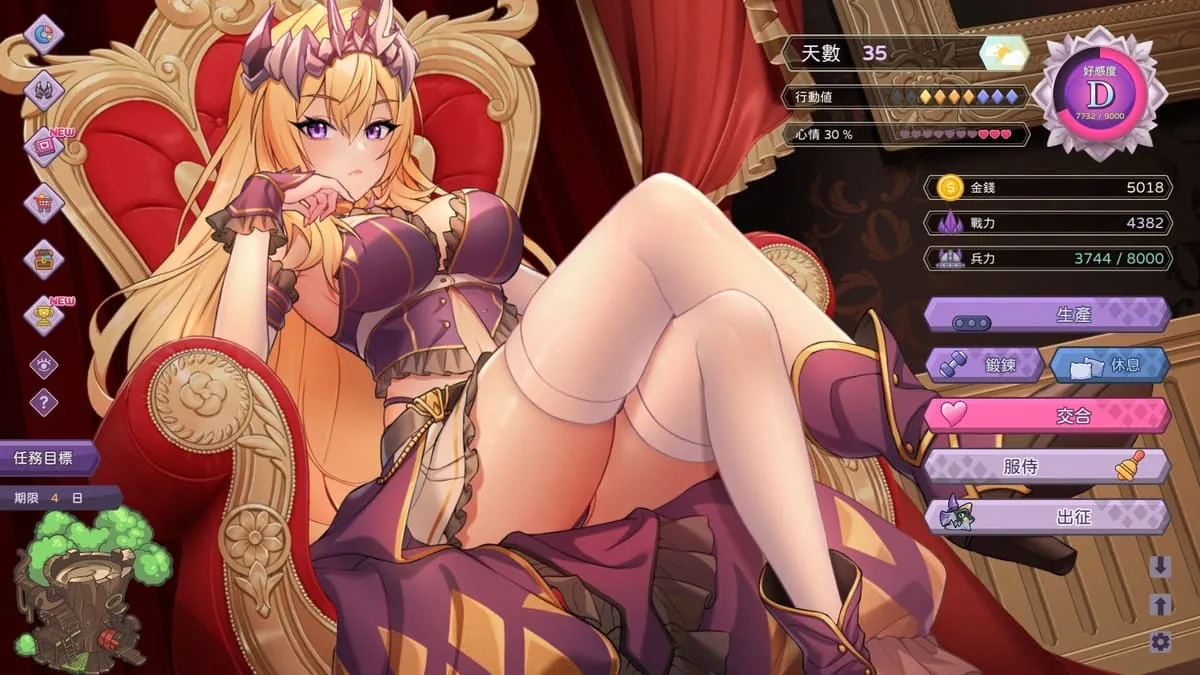
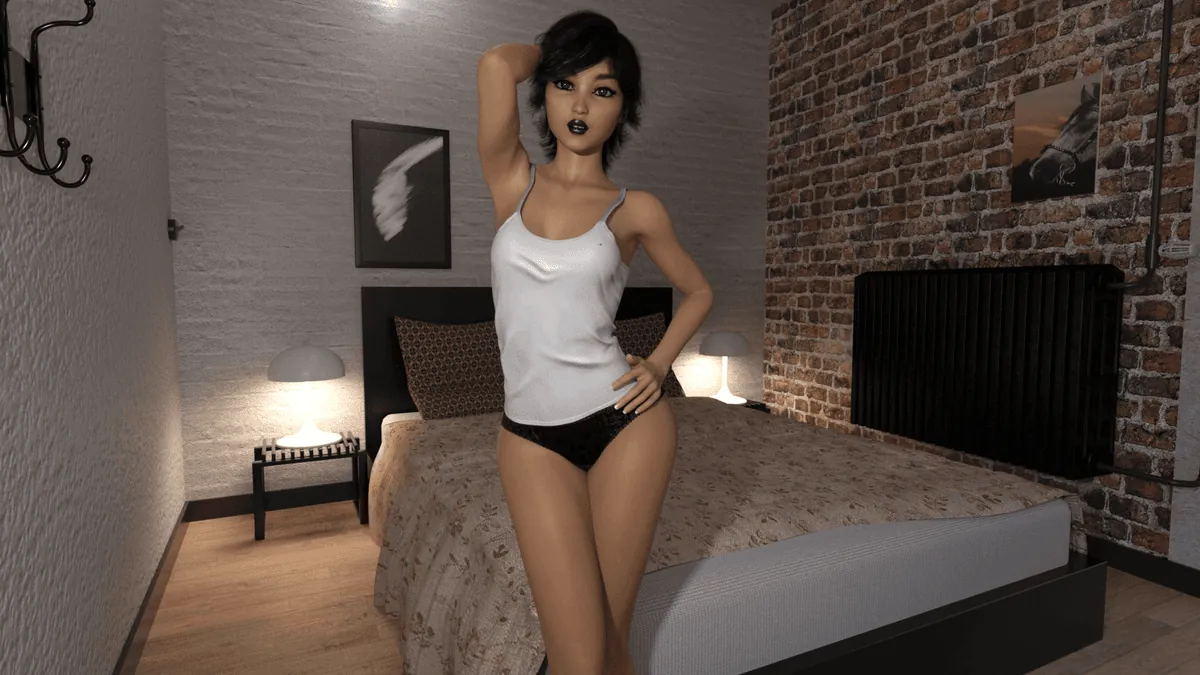
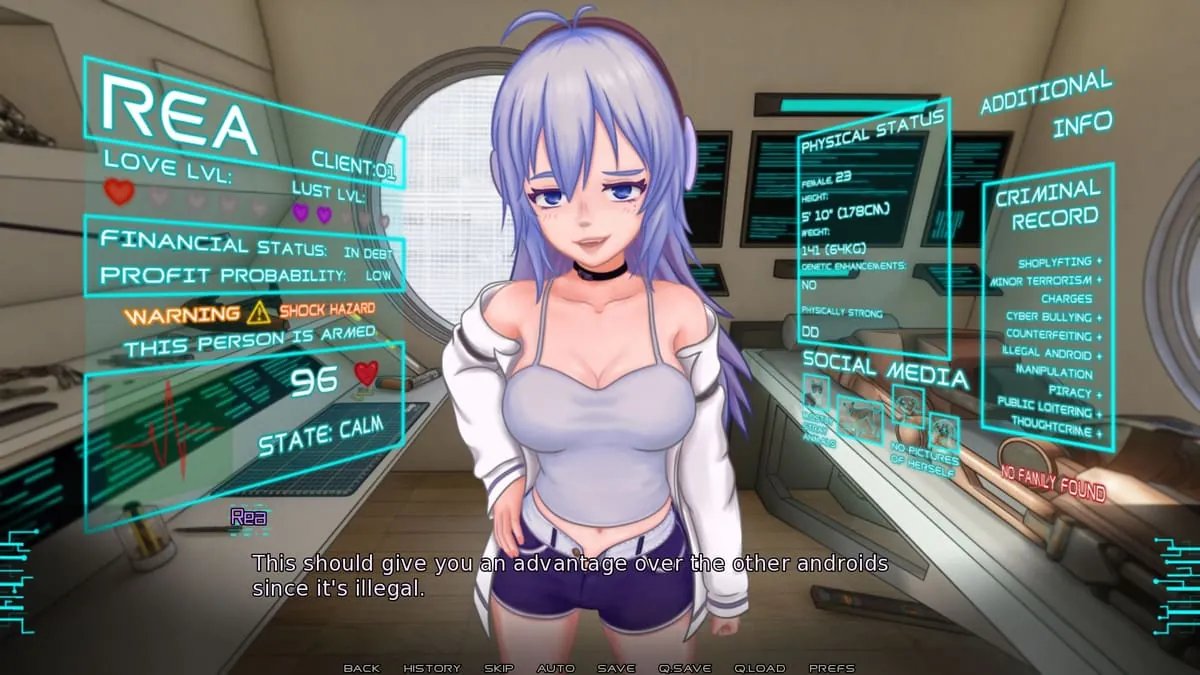
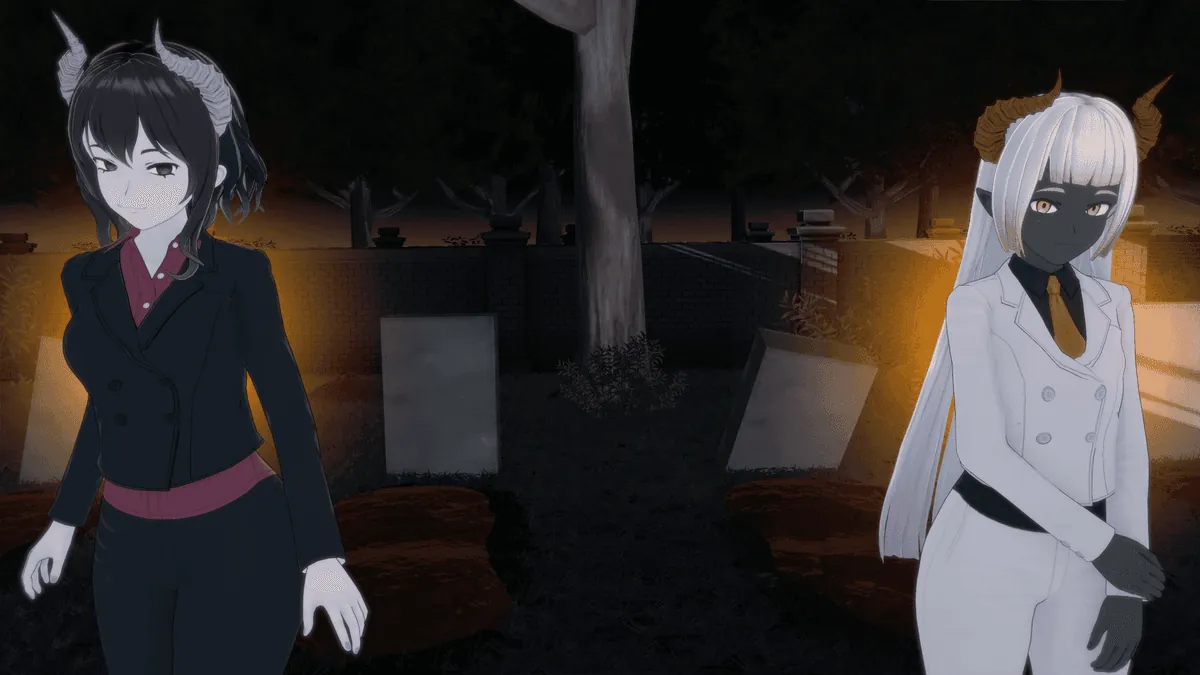
Demons of the Hearth Screenshots
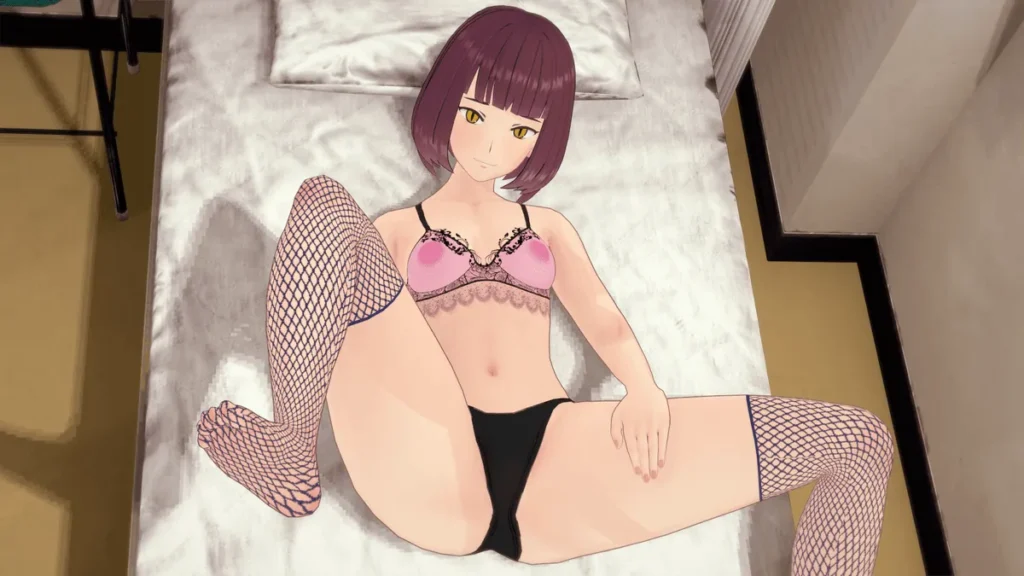
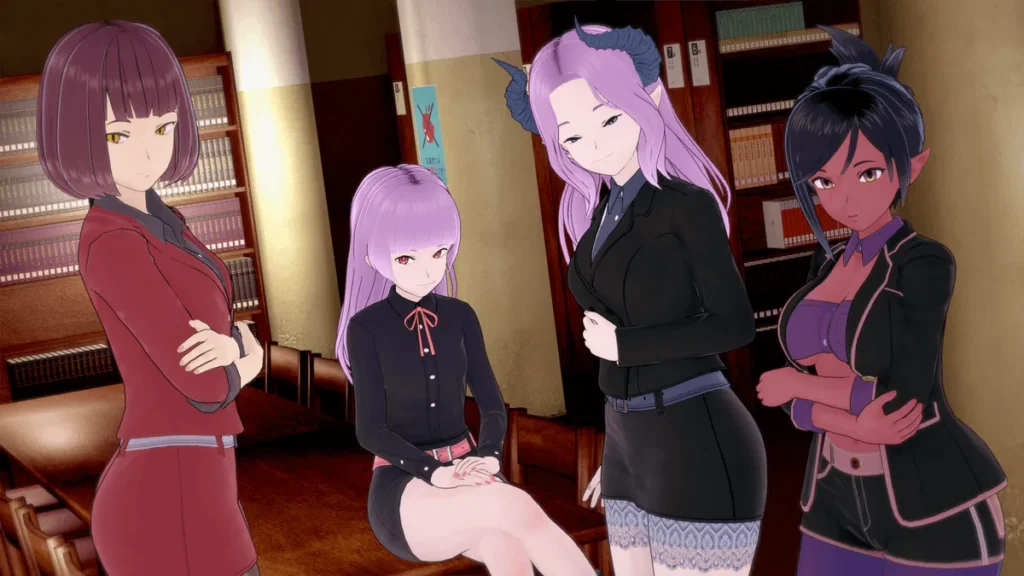
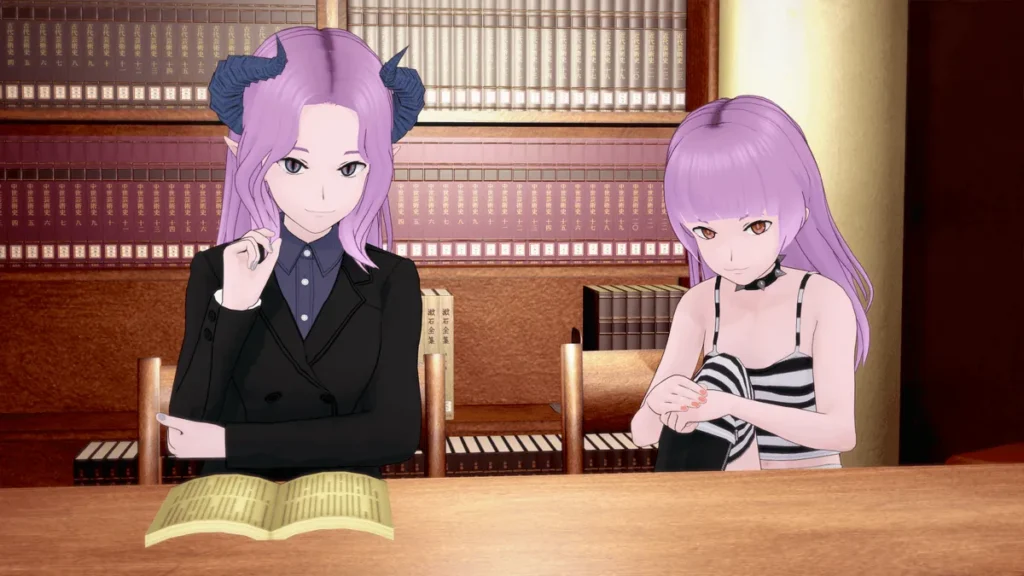
Demons of the Hearth review
Exploring the Story, Characters, and Gameplay of Demons of the Hearth
Demons of the Hearth is a captivating adult visual novel that combines rich storytelling with immersive character development and interactive gameplay. This game stands out for its emotional depth, intriguing narrative, and the way it balances adult themes with a compelling plot. Whether you’re curious about the game’s story, characters, or gameplay elements, this article will guide you through everything you need to know about Demons of the Hearth.
Exploring the Story and Characters of Demons of the Hearth
Ever find yourself scrolling through endless game libraries, feeling like every story is just a slight variation on the last? You know the drill: heroic chosen one, world-ending threat, predictable romance. It can get stale. 😴 That’s why stumbling upon Demons of the Hearth felt like a breath of fresh, albeit slightly melancholic, air. This isn’t just another fantasy romp; it’s a deeply human story wrapped in a supernatural premise, and its power lies entirely in its masterful visual novel narrative.
At its core, Demons of the Hearth asks a hauntingly simple question: what if the monsters weren’t under your bed, but born from the quiet despair within your own home? This adult visual novel story forgoes epic battles for emotional ones, trading swords and sorcery for dialogue choices and painful, poignant memories. It’s a testament to how interactive storytelling can create an intimacy and impact that other mediums often struggle to reach. Let’s pull up a chair, and maybe grab a tissue, as we delve into what makes this story and its inhabitants so unforgettable.
What is the Core Narrative?
The Demons of the Hearth story begins not with a bang, but with a heavy, familiar silence. You play as a protagonist returning to a childhood home filled with ghosts—not the spectral kind, but the lingering echoes of broken relationships, unspoken words, and faded happiness. The twist? These emotional residues have literally manifested as “Demons,” supernatural beings that are physical embodiments of the family’s collective trauma, regret, and lost love.
Your goal isn’t to exorcise them in the traditional sense, but to understand them. To piece together your fragmented past by interacting with these entities, each representing a different facet of your family’s pain. The brilliance of this visual novel narrative is its focus on introspection. The “action” is in the conversations, the choices to confront or avoid certain memories, and the slow, often painful, reconstruction of what went wrong. I remember one late-night play session where a simple choice to examine a dusty music box unlocked a cascade of dialogue that completely recontextualized a character I thought I understood. It was a quiet, devastating moment that a more action-oriented game would have glossed over. 😶
This approach creates a uniquely compelling rhythm. The suspense doesn’t come from if you’ll defeat a boss, but from how you’ll piece together the truth and what that truth will cost your relationships. The player choice impact here is profound because it’s personal. You’re not choosing a dialogue option to gain “+10 Charm”; you’re choosing whether to be gentle or accusatory, to pry for answers or offer comfort. These decisions directly shape which memories you uncover, how characters perceive you, and ultimately, which emotional truths you—and your family—can finally learn to live with.
Who Are the Main Characters?
The heart of this experience lies with its beautifully flawed Demons of the Hearth characters. They are not villains, but symptoms. Understanding them is the key to healing, and each one is a masterpiece of tragic design.
The protagonist is your vessel, but their personality is shaped by your choices. Are they weary and resigned, or aggressively seeking closure? This flexibility allows you to project your own responses onto the story, making the emotional journey feel uniquely yours. 🎭
The true stars, however, are the Demons and the human memories they guard. They are not mere monsters; they are sorrow given form, and their character development in Demons of the Hearth is the central pillar of the game.
To give you a clearer picture, let’s meet the key entities you’ll engage with:
| Character | Their Manifestation | Core Personality & Role |
|---|---|---|
| The Weaver | A silent figure covered in threads connecting to objects in the house. | Represents tangled memories and miscommunication. Interaction involves following threads to trigger flashbacks, forcing you to see past events from multiple angles. |
| Remnant of Father | A shadowy, distant figure always seen from behind or through windows. | Embodies absence and emotional unavailability. His path involves choices to either chase his shadow for answers or accept his symbolic distance, affecting the protagonist’s sense of forgiveness. |
| Remnant of Mother | A being of cold, still air and the scent of forgotten perfume. | Personifies stifled dreams and silent sacrifice. Engaging with her requires choosing between acknowledging her lost self or focusing solely on her role as a parent, dramatically altering the family’s reconciled history. |
| The Child (You) | A faint, echoing laughter or a flicker of movement in old play spaces. | This is the memory of your own childhood innocence and its loss. Confronting this “demon” is the most personal, impacting your final understanding of who you are and what you’ve carried into adulthood. |
How Do Character Interactions Shape the Story?
In most games, you talk to characters to get a quest. In Demons of the Hearth, talking to the characters is the quest. Every interaction is a delicate operation on the family’s psyche. The game’s genius is in making you feel the weight of every word. A supportive comment might cause a Demon to solidify, revealing a new, painful memory. An impatient retort might cause it to retreat, locking away a crucial piece of the puzzle for good.
This is where the interactive storytelling truly shines. You’re not just watching a story unfold; you are the archaeologist of your own past, and your tools are empathy, curiosity, and sometimes, blunt confrontation.
Tip: Don’t rush through dialogues. The most revealing moments often come after a long pause or by revisiting a Demon after a major story revelation. Their demeanor and available dialogue options can change completely.
Example of a key story event that demonstrates character interaction and player choice impact:
Midway through my playthrough, I faced a pivotal moment with the Remnant of Mother. She was fixated on a cracked vase—a trivial object. The game presented me with a seemingly simple binary choice:
1. “It’s just a thing. It doesn’t matter.” (Dismiss)
2. “Tell me about the flowers it held.” (Inquire)
My first instinct was to dismiss it, to push toward what I thought were “bigger” issues. This choice caused her form to waver and fade. The immediate narrative path forward became one of cold, factual revelations about past arguments, but it felt hollow. I reloaded. 🎮
Choosing to inquire about the flowers unlocked a slow, beautiful monologue. The vase wasn’t about the object; it was about the one time she felt seen, when someone brought her wildflowers for no reason. This emotional truth, unlocked by a patient choice, completely changed her subsequent dialogue. It reframed her entire character from “victim of circumstance” to “someone who clung to small beauties,” which in turn altered how I approached reconciling her with the Remnant of Father. The player choice impact wasn’t about a “good” or “bad” ending in that moment, but about the quality of the truth I discovered. One path gave me facts; the other gave me understanding.
This is the essence of the Demons of the Hearth story. Your choices directly dictate which layers of the characters you peel back. You can finish the game with a clinical understanding of what happened to this family, or you can emerge with a profound, empathetic grasp of why it happened and how the echoes of pain shaped everyone involved. The Demons of the Hearth characters are puzzles, and the only solution is compassionate attention.
So, if you’re looking for a story that respects your intelligence, values emotional truth over spectacle, and makes every choice feel meaningfully yours, this is it. Demons of the Hearth proves that the most powerful battles are fought not with weapons, but with words, memories, and the courage to face the demons we all carry, especially the ones that feel like home. 🕯️
Demons of the Hearth offers a unique blend of narrative depth and interactive gameplay that sets it apart in the adult visual novel genre. Its well-crafted characters and emotionally engaging storylines invite players to immerse themselves fully in the experience. If you appreciate games that combine storytelling with meaningful choices, Demons of the Hearth is definitely worth exploring. Dive into the game to discover its rich world and complex characters for yourself.