Desert Stalker
Play Desert Stalker
Desert Stalker Screenshots


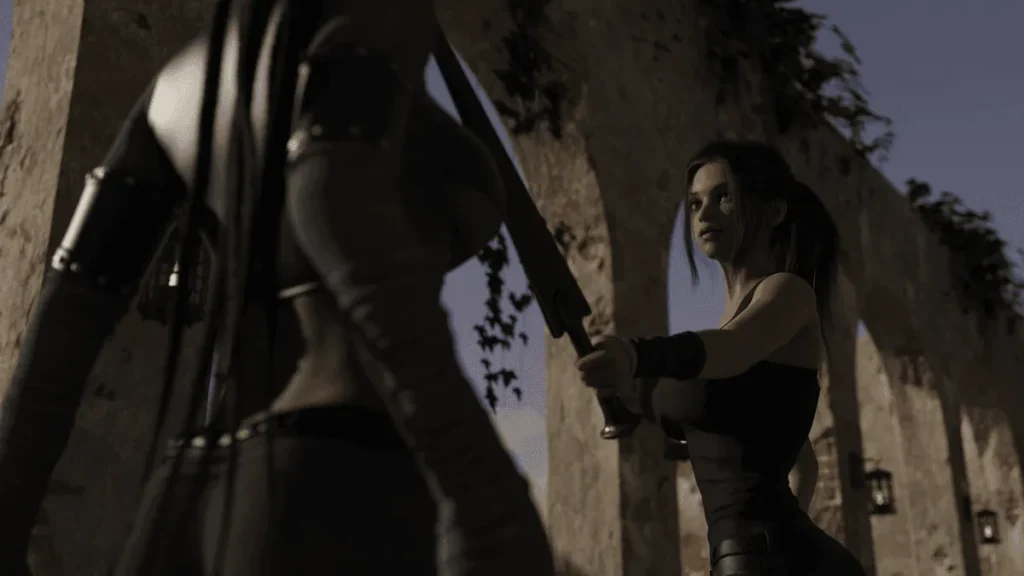

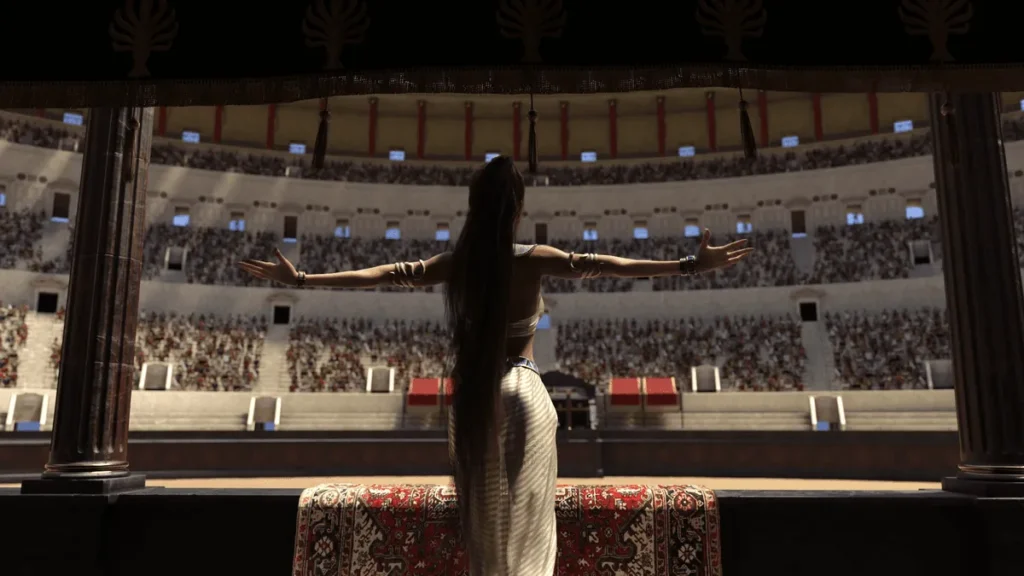
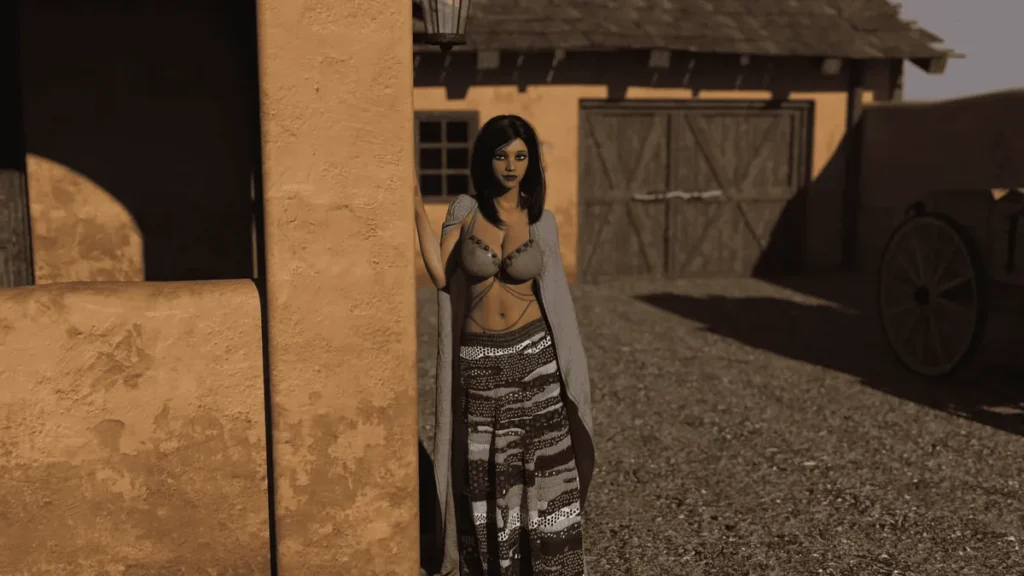

Desert Stalker review
Explore the immersive post-apocalyptic narrative and strategic choices in this adult visual novel
Desert Stalker stands out as a sophisticated adult visual novel that combines compelling storytelling with player agency in a post-apocalyptic Egyptian setting. Players take on the role of an antiquity scavenger who discovers an artifact capable of shaping the future, leading to high-impact decisions that determine relationships and world outcomes. The game offers a unique blend of narrative depth, character development, and branching storylines where your choices genuinely matter. Whether you’re drawn to the gritty dystopian atmosphere, complex character dynamics, or the freedom to shape your protagonist’s moral compass, Desert Stalker delivers an experience that goes beyond typical adult gaming. This guide explores the game’s core mechanics, story elements, and what makes it a standout title in the visual novel genre.
Understanding Desert Stalker’s Core Gameplay & Features
Ever felt trapped in a visual novel, endlessly clicking just to get back to a choice you missed? 😩 I have. Many times. You’re locked on a railroad track, and the scenery only changes if you start the whole journey over. That’s why when I first booted up Desert Stalker, its approach to freedom was a revelation. This isn’t your typical click-through narrative; it’s a living, breathing sandbox where your agency is the main feature. 🏜️ The core Desert Stalker gameplay mechanics are built on a revolutionary (for the genre) foundation of player freedom and meaningful consequence. Let’s pull back the curtain on what makes this post-apocalyptic adventure so uniquely engaging.
How the Free-Roam System Works
Forget everything you know about linear visual novel progression. The free-roam visual novel system in Desert Stalker is a game-changer, literally. Picture this: instead of a single path with occasional forks, you’re placed in a central hub—your oasis home—with a journal full of potential leads, rumors, and requests. Want to pursue a main story thread about a mysterious faction? Go for it. More interested in helping a particular character with a personal side quest? You can do that instead. The world and its problems wait for you to engage with them.
This system brilliantly eliminates the dreaded “grind” or repetitive clicking just to advance time or trigger an event. Progression is based on your actions and choices during quests, not on mindlessly cycling through days. I remember on my first playthrough, I spent several in-game days just exploring optional locations and helping side characters, building up resources and relationships, before I even touched a major plot point. That sense of unstructured discovery is priceless. 🌵 The map and journal interface are your best friends here, offering a polished, intuitive way to track your goals without holding your hand.
The balance is masterful. While you have this sandbox freedom, the game isn’t devoid of direction. Key story moments are still presented in classic, well-crafted visual novel segments with beautiful artwork and compelling writing. These linear sequences feel earned and impactful because you chose to walk the path that led to them. It’s the perfect blend: the thoughtful pacing of a narrative-driven experience with the exploratory joy of a light RPG. This is the heart of how to play Desert Stalker effectively—embrace the freedom, let your curiosity guide you, and know that the story will adapt to your pace.
Decision-Making & Narrative Branching
If the free-roam structure is the skeleton of the game, the Desert Stalker decision system is its pulsating heart. Every interaction, from major confrontations to casual conversations, is infused with potential consequence. This goes far beyond a simple “good vs. evil” slider. The game presents you with morally complex dilemmas that often boil down to a question of philosophy: Do you dominate a harsh world through strength and control, or do you strive to save and protect the fragile sparks of civilization within it?
These narrative branching choices are rarely trivial. Early on, you might encounter a desperate individual threatening your family. Your response—merciless elimination, calculated intimidation, or risky diplomacy—will fundamentally alter how characters perceive you. One character might become fiercely loyal if you show mercy, while another might only respect a show of absolute force. I learned this the hard way when a “kinder” choice I made in one playthrough inadvertently closed off an entire ally’s storyline later, because they saw my action as weakness. The game remembers everything. 🧠
The true genius lies in how these choices compound. They don’t just open or close doors; they subtly shift character dialogues, change the outcomes of future events, and even alter the game’s world state. A location you leave in peace might flourish and offer you aid later, while one you conquer through fear might rebel at a crucial moment. This creates an unparalleled sense of adult visual novel gameplay, where maturity isn’t just about content, but about grappling with the weight of responsibility and the long-term results of your actions. Replay value is enormous, as you’ll constantly wonder, “What if I had chosen differently?” and the game is always ready to show you.
Customization Options & Content Filters
A common concern with games in this genre is that the content might not align with every player’s preferences. Desert Stalker addresses this with thoughtful and respectful content filter options, putting you firmly in the driver’s seat of your experience. This isn’t just an on/off switch; it’s a granular control panel for the game’s tone and intensity.
From the main menu, you can tailor specific aspects of the narrative and character interactions. Whether you want to focus solely on the gripping post-apocalyptic survival drama, or also engage with the game’s more intimate character relationship elements, the choice is yours. This design philosophy is incredibly welcoming. It means that whether you’re here for a deep story, complex character dynamics, or a blend of both, you can shape the journey to suit your tastes. It respects the player’s agency before the game even truly begins. ⚙️
This customization extends to the overall experience. The game’s interface is notably polished, avoiding the clunky, template-feel that can plague some Ren’Py projects. The UI is clean, responsive, and integrated seamlessly into the world. Furthermore, the adult visual novel gameplay is designed with variation in mind. Major sequences can play out differently based on your past choices and relationships, meaning two players might describe the same “event” in the story in wildly different ways. This attention to detail ensures that your playthrough feels uniquely yours.
Pro Tip: Don’t be afraid to use the content filters on your first playthrough to create the exact tone you enjoy most. You can always adjust them or turn everything on for a subsequent replay to see all the variations!
The game’s mechanics gracefully accommodate different philosophies. To help you visualize your approach, here’s a breakdown of common playstyles:
| Playstyle Focus | Core Approach | Key Mechanics Leveraged | What It Offers |
|---|---|---|---|
| Story-Focused 📖 | Prioritizes main plot, lore, and world-state outcomes. Makes choices based on long-term narrative impact and survival of the community. | Main quest tracking, world-state altering decisions, consequential narrative branching. | The most cohesive and dramatic story experience, with major shifts in the game’s ending and faction status. |
| Harem-Focused 💞 | Seeks to build positive, protective relationships with multiple key characters. Choices lean towards saving, helping, and building trust. | Relationship meters, character-specific side quests, optional romantic/flirty dialogue paths. | Unlocks the most character-driven content and scenes, focusing on bonding and earning loyalty through support. |
| Domination-Focused 👑 | Embraces the power fantasy of controlling a harsh world. Choices assert strength, demand obedience, and solve problems through intimidation or force. | Authority checks, intimidation-based dialogue options, conquest-oriented story branches. | A power-driven narrative where respect is taken, not given. Unlocks unique scenes and endings centered on absolute control. |
Ultimately, the Desert Stalker gameplay mechanics are a toolkit for personal expression within a rich narrative world. The free-roam visual novel system gives you the space to explore, the deep narrative branching choices give your actions meaning, and the robust content filter options ensure you enjoy the ride your way. Whether you’re a strategist plotting the fate of the wasteland or an explorer uncovering every secret, Desert Stalker provides a profoundly responsive and replayable canvas for your post-apocalyptic story. 🎨 It proves that in a genre often defined by predetermined paths, the most compelling journey is the one you chart for yourself.
Desert Stalker represents a significant achievement in adult visual novel design, successfully merging compelling storytelling with meaningful player agency. The game’s free-roam system eliminates grinding while maintaining narrative momentum, allowing players to shape their experience based on personal preferences. Whether you’re drawn to the richly developed post-apocalyptic world, the complex character relationships, or the freedom to define your protagonist’s moral alignment, Desert Stalker delivers on multiple fronts. The technical polish, from Daz3D rendering to interface design, demonstrates genuine developer commitment to quality. Players consistently praise the game for its emotional depth and narrative quality that extends far beyond surface-level content. If you’re seeking an adult visual novel that respects your time, challenges your choices, and tells a genuinely engaging story, Desert Stalker stands as a compelling option worth exploring.