
Homelander
Play Homelander
Homelander Screenshots




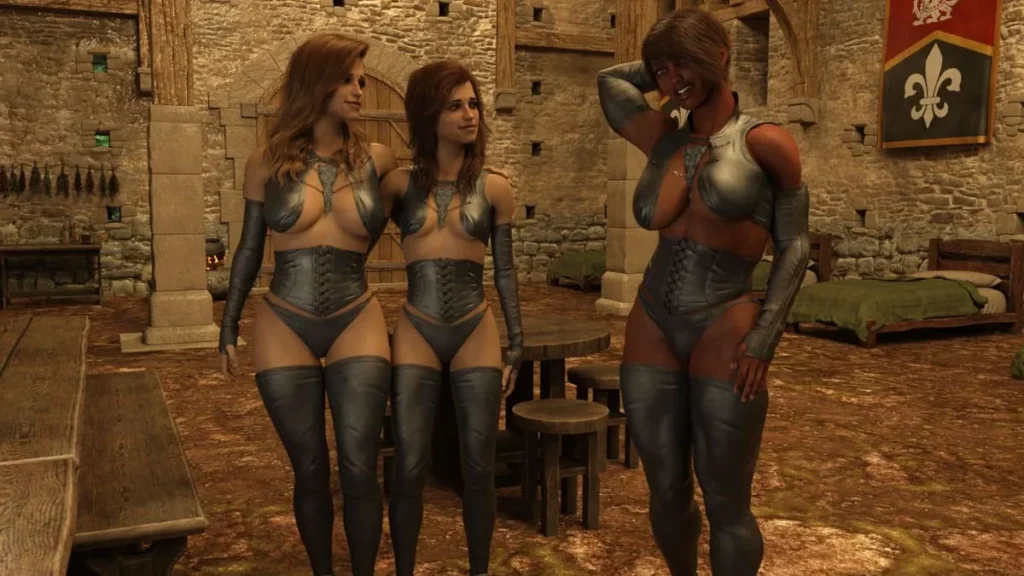
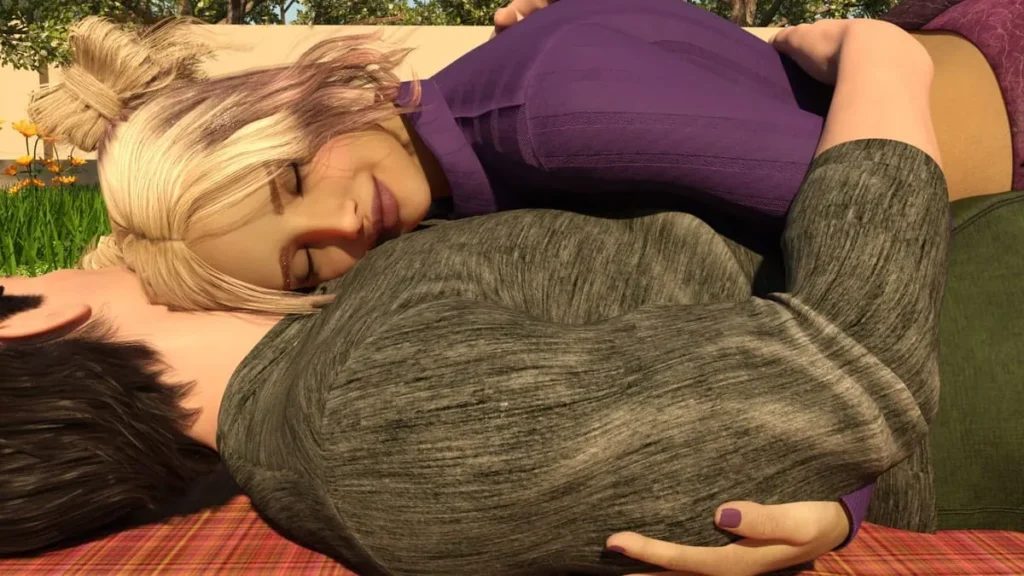
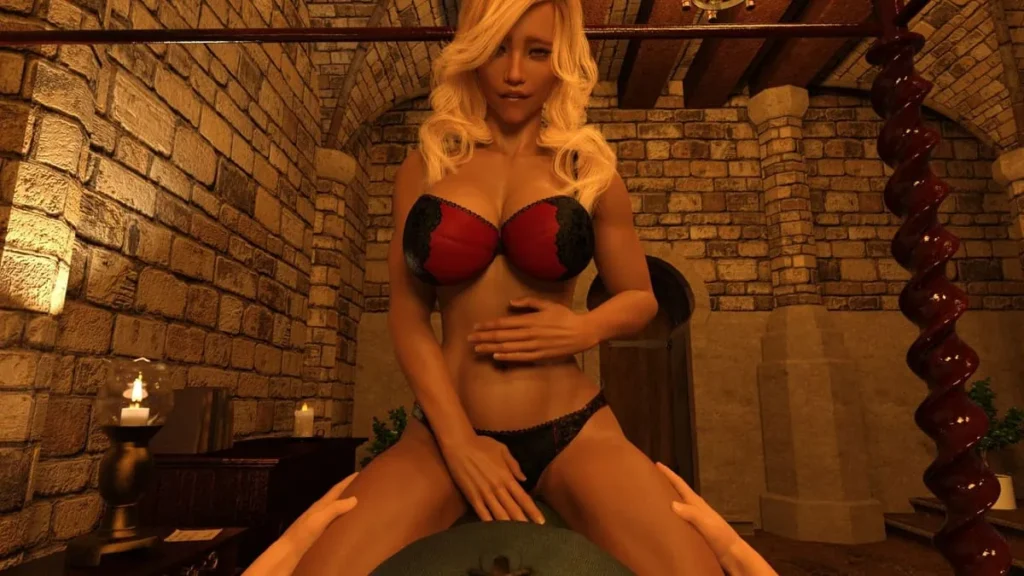
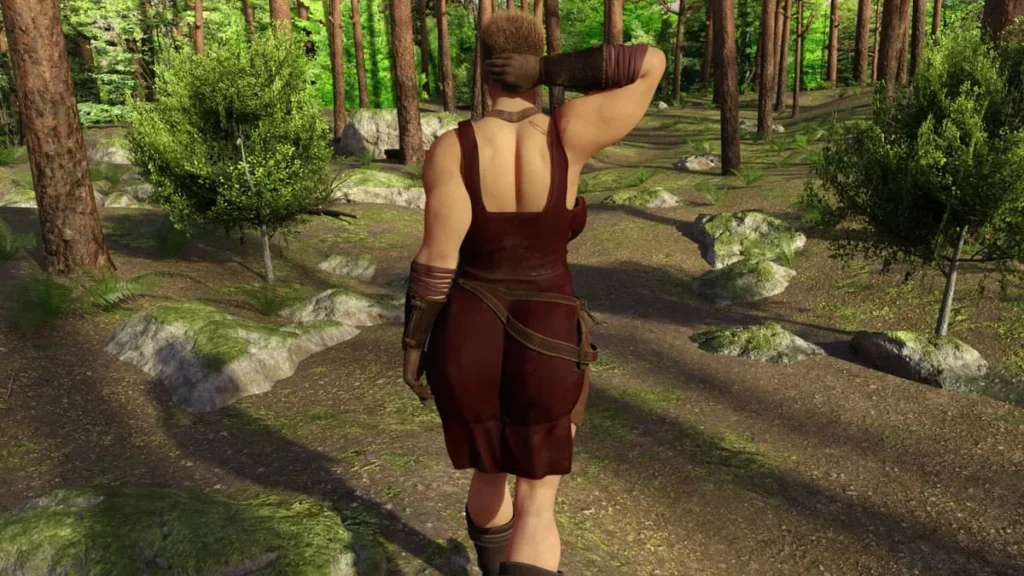
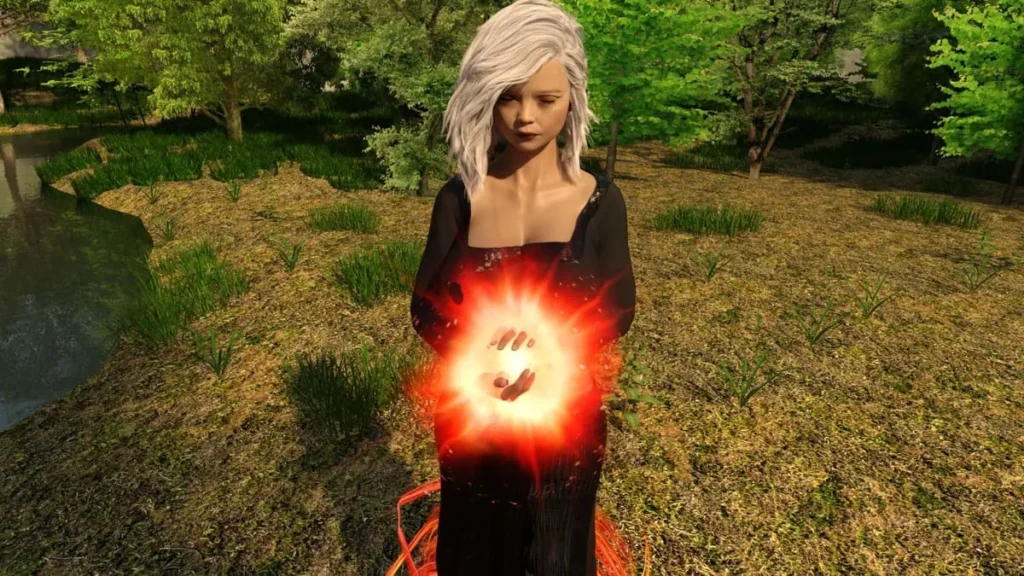

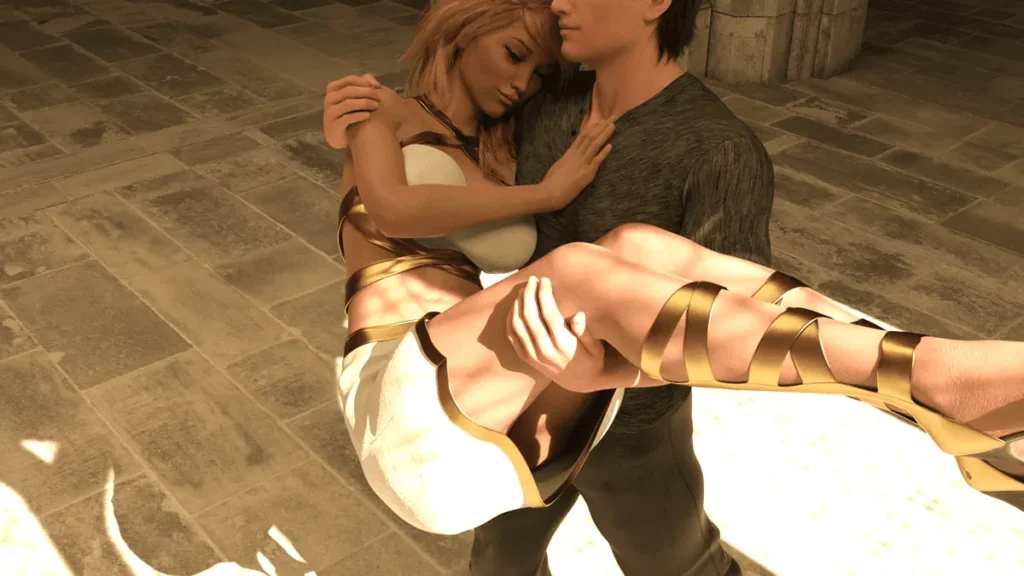
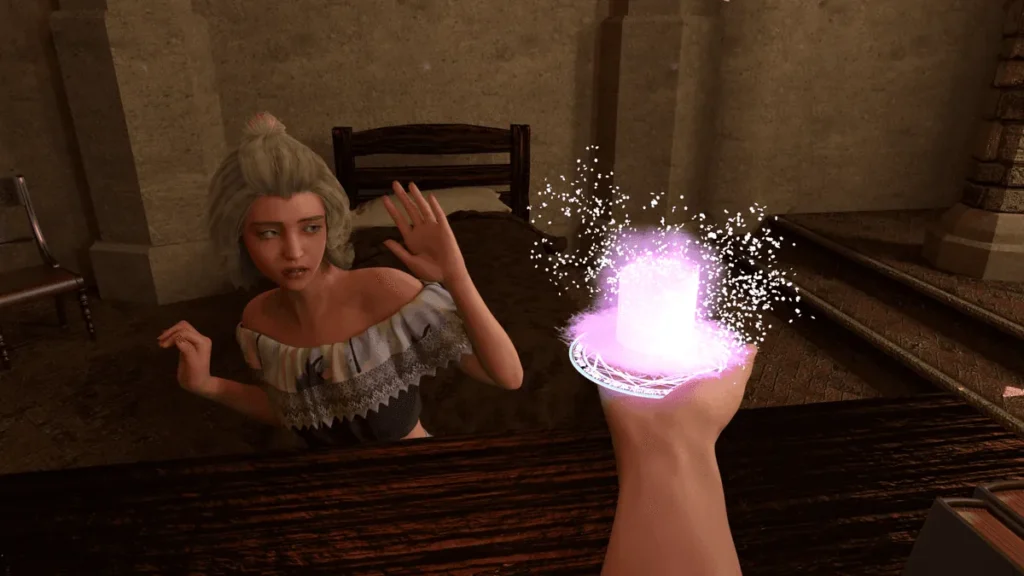

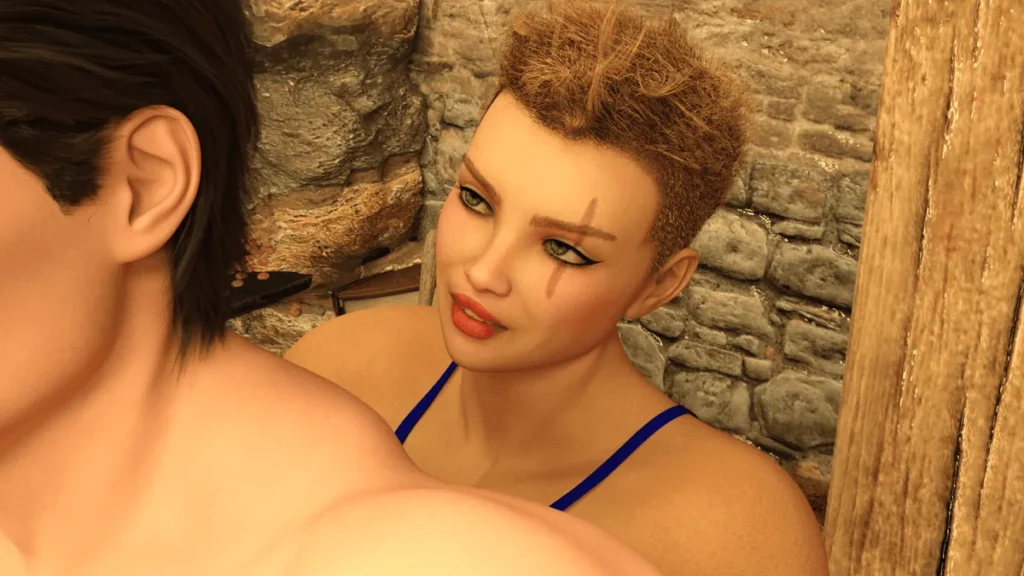
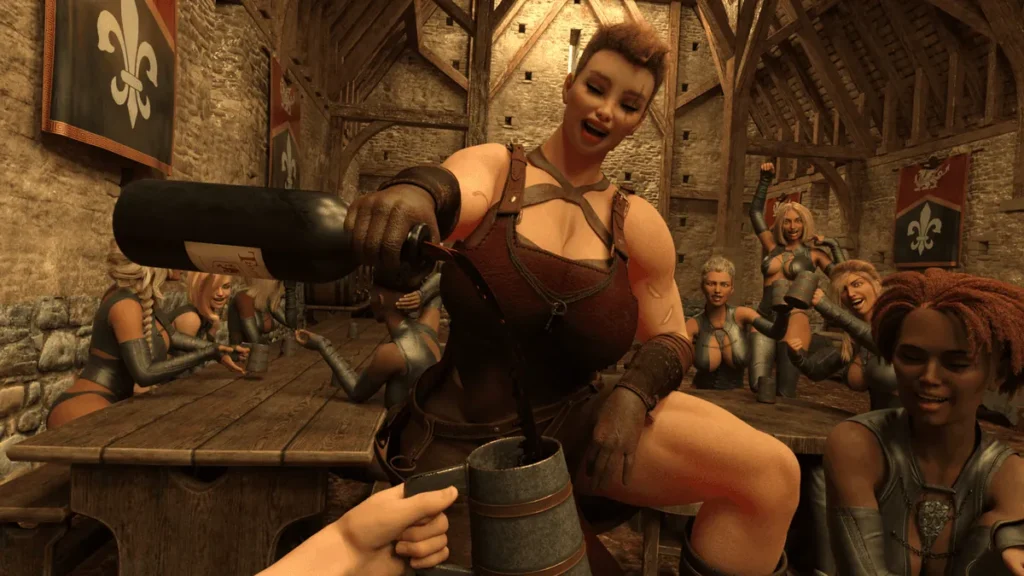
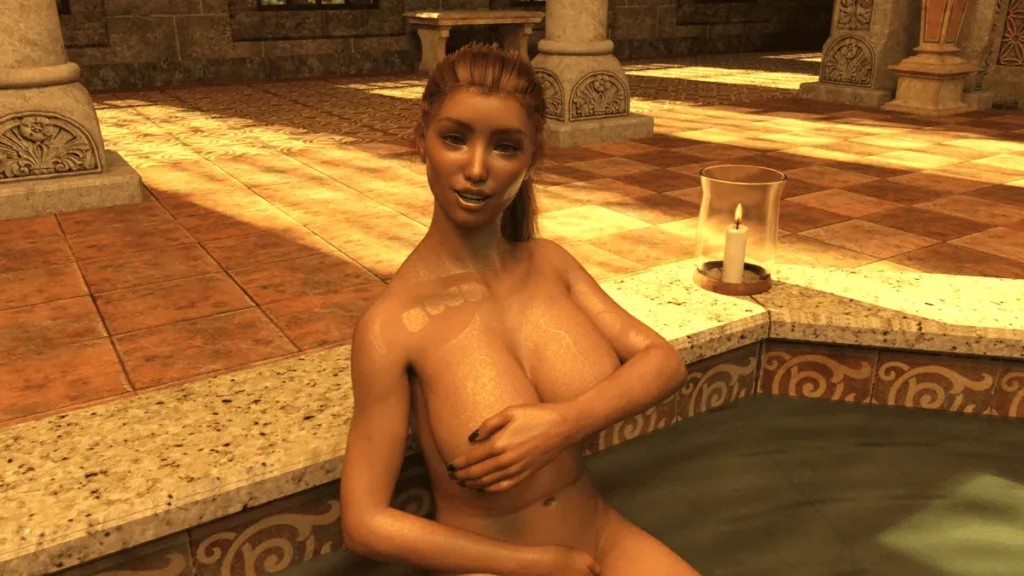
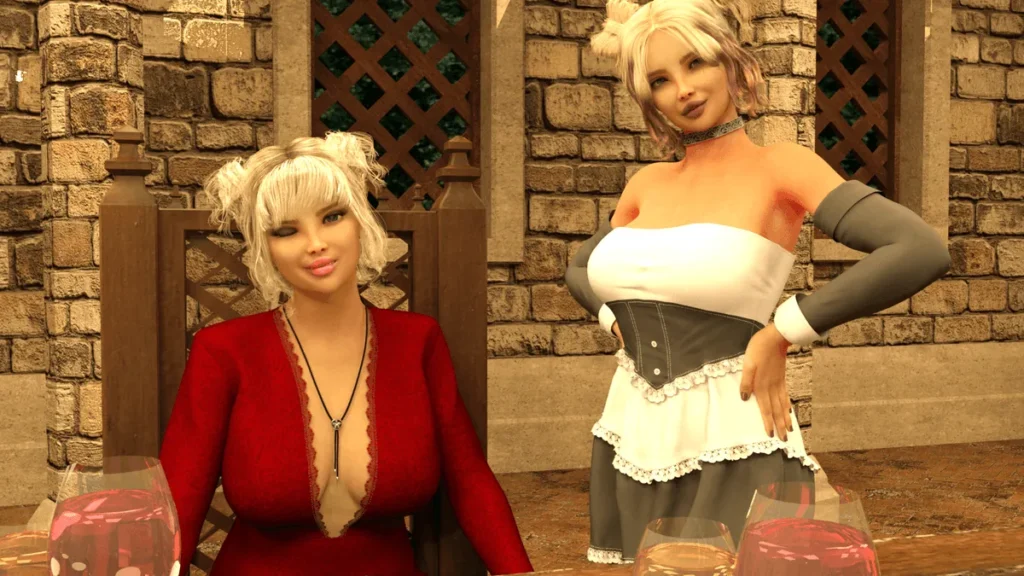
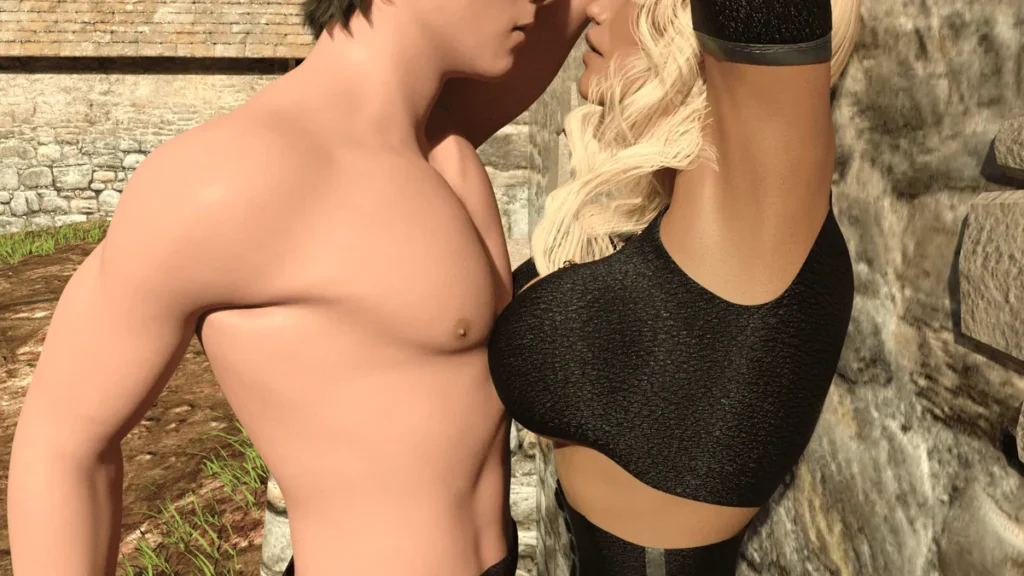
Homelander review
Mechanics, progression tips and personal insights for mastering the Homelander game experience
If you have been curious about the Homelander game and want a clear, no‑nonsense breakdown of how it works, you are in the right place. In this guide, I will walk you through what the Homelander game offers, how the core systems feel in practice, and the small details that most quick reviews skip. I will also share my own hands‑on impressions, common pitfalls to avoid, and practical pointers so you can decide whether this particular Homelander experience is worth your time and attention.
What Is the Homelander Game Experience All About?
So, you’ve heard the buzz and seen the screenshots. Maybe a friend mentioned it, or an algorithm decided you needed to see it. Your curiosity is piqued, but you’re asking the fundamental question: what on Earth is this Homelander game all about? 🤔 Is it a faithful adaptation, a satirical romp, or something else entirely? Let’s pull back the curtain and dive into the heart of this uniquely intense interactive experience.
Core concept and setting of the Homelander game
Forget sprawling open worlds and complex combat combos. The Homelander game experience is an intimate, narrative-driven journey that puts you directly in the orbit of a figure who is, for all intents and purposes, Homelander. This isn’t a licensed product from the show, but the inspiration is unmistakable and deliberate. We’re talking about a being of immense, nearly unchecked power, wrapped in a gleaming patriotic package, with a psyche that’s equal parts charming, terrifying, and deeply broken. 🦸♂️💥
The setting is a sleek, modern version of a corporate superhero world. Think gleaming Vought-esque towers, sterile penthouse apartments with breathtaking views, and public stages designed for adoring crowds. The visual style is polished and stylized, emphasizing the contrast between the dazzling, manufactured public image and the darker, more private moments. The tone masterfully walks a tightrope—it’s darkly comedic, knowingly over‑the‑top, and frequently tense. One moment you’re laughing at the sheer audacity of a situation, and the next, you’re holding your breath, keenly aware of the unstable god in the room.
This Homelander themed game is primarily about power dynamics and story. Your role isn’t to be Homelander, but to interact with him. You navigate a world where your choices, your words, and your reactions directly shape your relationship with this volatile superhuman. Will you be a sycophant, feeding his ego? A defiant challenge to his authority? Or something more nuanced? The core concept is built on this compelling, high-stakes character study.
Main gameplay structure and progression loop
At its heart, this is a choice-driven visual narrative. You start by defining your own character—your appearance, your background, and subtly, your initial disposition. Are you a new Vought employee, a fellow “supe,” or someone from his past? This setup immediately grounds you in the Homelander game story.
A typical session feels like an episode of a tightly plotted, interactive drama. You’ll progress through a series of key scenes—private meetings in his office, public events gone awry, tense encounters in his penthouse. The core loop revolves around dialogue choices and consequential actions. Every interaction is a balancing act. A well-placed compliment might raise a “Favor” meter, while a moment of boldness could spike a “Tension” gauge. These aren’t always visible as hard numbers, but the game expertly telegraphs his shifting mood through voice work, animation, and music.
| Gameplay System | How It Works & Its Impact |
|---|---|
| Dialogue & Choice | The primary driver. Choices range from submissive to defiant, cunning to sincere. They directly alter the scene’s direction and build your unique relationship path. |
| Relationship Metrics | Hidden systems track your standing. High “Favor” can unlock exclusive, softer scenes. High “Tension” leads to more confrontational, dangerous, and sometimes explosively dramatic branches. |
| Resource & Unlocks | Earning in-game “Influence” or completing routes unlocks bonus scenes, alternative costumes, and gallery entries, rewarding replayability. |
| Branching Narrative | Major decisions create clear forks in the road, leading to several distinct endings—from tragic to strangely triumphant. Multiple save files are a must. |
The pacing is a deliberate slow-burn. This isn’t an arcade game; it’s a psychological thriller dressed in capes. The game takes its time to build atmosphere, let conversations breathe, and make you feel the weight of your decisions. The “hook” becomes clear within the first 30 minutes, as you experience your first abrupt shift in his demeanor—that jarring transition from charismatic to chilling that defines the character.
Let me give you an example from my first playthrough: I started a session as a newly assigned publicist. The evening began with reviewing press statements—simple world-building. Then, a private debrief in his lounge. The conversation was light, even funny. I chose dialogue that showed professional admiration but didn’t grovel. He seemed amused. Then, a news alert flashed about a critic. The room temperature dropped. I was given a choice: suggest a standard PR rebuttal, or propose a more “permanent” solution with a sly smile. My cursor hovered. This was the moment. That single choice didn’t just change the next line of dialogue; it defined the entire power dynamic for the next three chapters. I chose the sly smile. His responding grin wasn’t one of joy, but of recognition. I had just shown him a part of myself, and the game shifted irrevocably.
Who is the Homelander game really for?
This is the million-dollar question: is the Homelander game worth playing? The answer is a resounding “yes,” but only for its intended Homelander game audience. This is not a game for everyone, and understanding that is key to your enjoyment.
First and foremost, this is an adult Homelander game in theme, content, and complexity. It’s crafted for mature players who enjoy morally grey, character-driven narratives. If you’re fascinated by the archetype of the corrupt superhuman, the psychology of narcissism, and stories with intense power imbalances, you are the prime candidate. The game is a love letter to fans of dark satire and antiheroes.
My personal insight? In my first 60 minutes, I was surprised by how quickly I moved from observing the character to being actively entangled in his logic. The familiarity came from other great choice-driven RPGs, but the specific, claustrophobic focus on a single, terrifying relationship felt fresh. The core hook—the thrill and dread of navigating his whims—became clear the first time I nervously laughed at one of his jokes, unsure if I was supposed to.
This Homelander game is a niche, story-heavy experience. It’s for players who want to think about their choices and replay to see wildly different outcomes. It is emphatically not for those seeking lighthearted fun, fast-paced action, or family-friendly entertainment.
To summarize who will and won’t connect with this experience:
You will likely enjoy this game if you:
* Are drawn to complex, morally ambiguous characters.
* Prefer story and dialogue over reflexes and combat.
* Appreciate dark humor and satirical takes on superhero culture.
* Love replaying narratives to unlock every secret branch and ending.
* Enjoy games with a strong, tense atmosphere and psychological depth.
You might want to steer clear if you:
* Prefer straightforward, action-oriented gameplay.
* Are uncomfortable with dark themes, psychological manipulation, or mature content.
* Dislike slower-paced, narrative-focused games.
* Seek a hopeful or traditionally heroic storyline.
Ultimately, the Homelander game overview boils down to this: it’s a compelling, well-executed deep dive into a specific character fantasy. It knows its audience and delivers a focused, memorable experience for them. If the description above sparks your interest, then you are exactly who this game was made for, and your journey into its demanding, dazzling world awaits. ✨
The Homelander game offers a very specific kind of experience: a character‑driven, mature‑themed story centered on a super‑powered figure who is as fascinating as he is unsettling. If you enjoy narrative games that lean into tension, difficult choices, and a stylized take on power dynamics, this title can be surprisingly engaging once you understand how its systems work. On the other hand, if you prefer lighthearted or purely mechanical gameplay, its intense tone and focus on character interaction may not resonate.
Ultimately, the best way to decide is to go in informed, set clear expectations for the kind of story you are stepping into, and take your time exploring different routes. If the themes and structure described in this guide sound appealing, the Homelander game might be a memorable addition to your library.