How to Fix the Future
Play How to Fix the Future
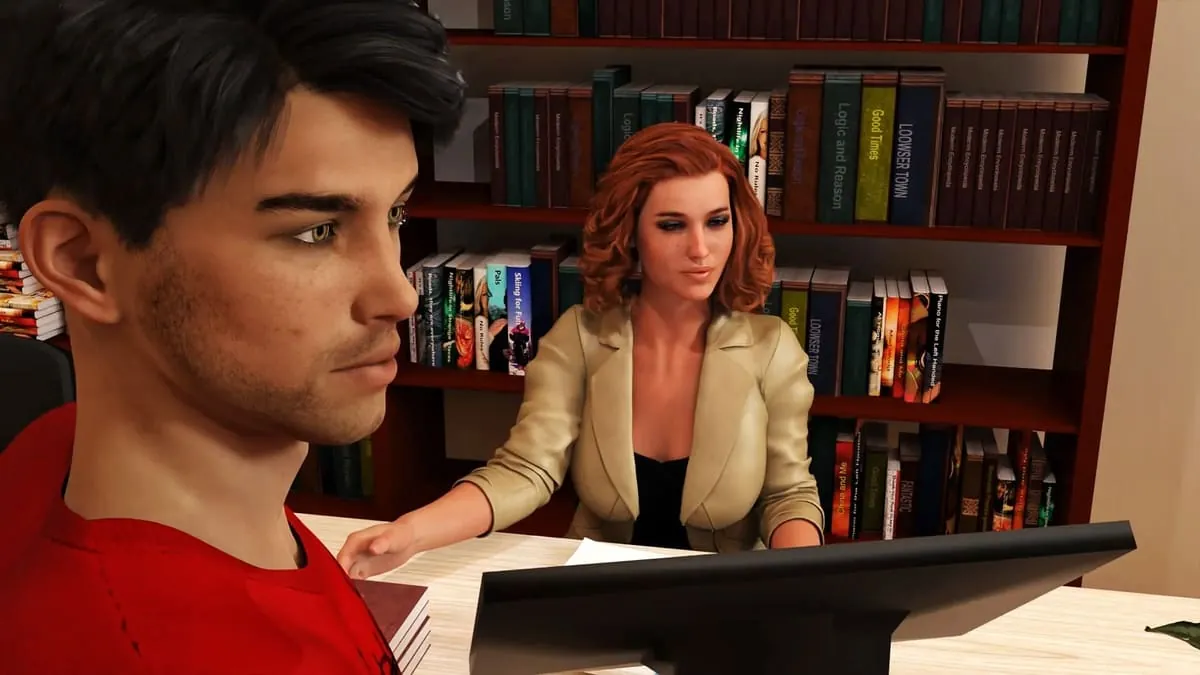
How to Fix the Future Screenshots


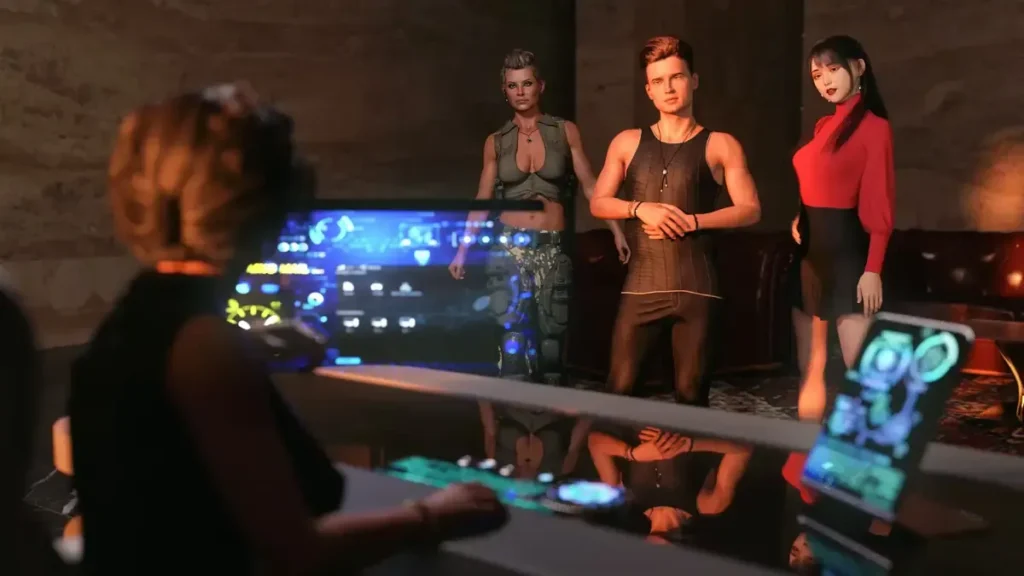







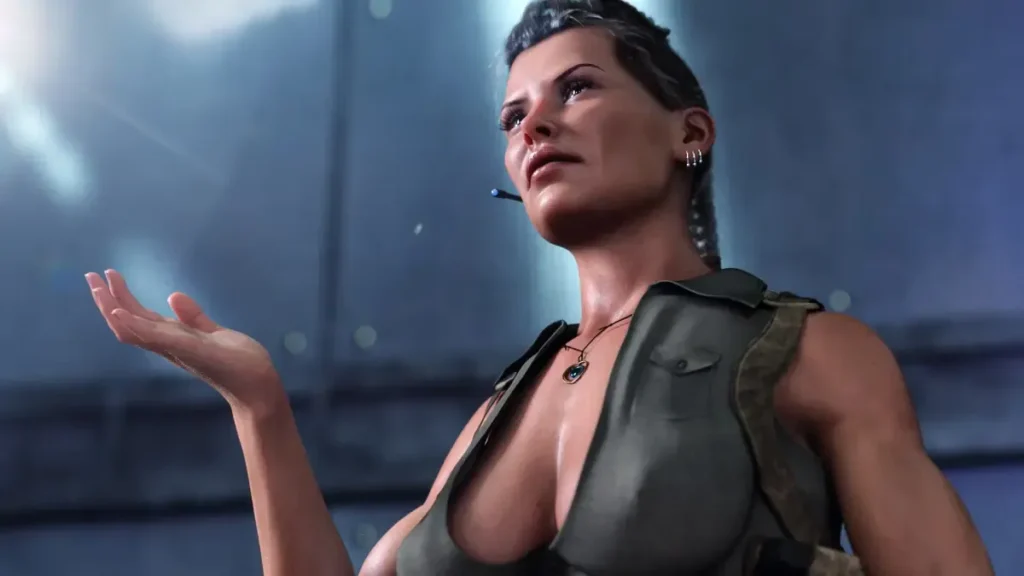





How to Fix the Future review
Master this thrilling time-travel adventure and unlock every secret scene
Ever jumped into ‘How to Fix the Future’ and felt lost in its wild time-travel chaos? This visual novel hooked me from the first choice—sending you back to alter history, team up with fiery characters like Chloe, and dive into steamy encounters that change everything. If you’re struggling with tricky missions or missing those exclusive scenes, I’ve got you covered. In this guide, I’ll share my personal playbook from hours of playtesting, helping you fix glitches, master decisions, and fully experience the game’s gripping narrative about saving the world through bold actions. Let’s turn your playthrough into a perfect run!
Mastering How to Fix the Future: Core Gameplay Essentials
I remember my heart racing when I first booted up How to Fix the Future game 🕹️. It was another one of those late-night “just one more click” sessions that somehow turned into a 4 AM deep dive. What hooked me wasn’t just the gorgeous art—it was the chilling premise. You’re not saving the world from aliens or zombies; you’re trying to dismantle a corporate dystopia before it’s even born. Your mission? Travel back from a ruined future and use every tool at your disposal to prevent the rise of the OmniCorp empire. The target? A man named Derek, born in our present day of 2023, who will one day become its all-powerful president. This isn’t just a visual novel; it’s a resistance simulator where your tech skills and your ability to manage a volatile team are the only things standing between humanity and a sterile, controlled fate.
This fix the future visual novel masterfully blends first-person 3D exploration segments with its rich narrative. You’ll literally walk the streets of the past, gathering intel and setting up your operations. The tension comes from the layers of preparation. Before a mission, you’re scouring old databases for character files—not just dossiers, but social media scraps, shopping lists, and personal journals that reveal a target’s deepest preferences and fears. Then, you hit the Academy, running training simulations that prep you both mentally and physically for what’s to come. It creates this incredible loop of investigation, planning, and execution that makes every success feel earned and every failure a lesson. If you’ve ever dreamed of being the architect of a better tomorrow, this game is your blueprint.
What Is How to Fix the Future and Why It Hooks You?
At its core, How to Fix the Future is a narrative-driven adventure where your choices don’t just change dialogue—they rewrite history. The “hook” is the profound responsibility it makes you feel. You’re not a passive reader; you’re the lead operative in Temporal Corrections. The game brilliantly makes you care about the tiny details. Learning that your target has a debilitating fear of bees or an obsession with a specific vintage wine isn’t just trivia; it’s a potential pathway to a non-violent resolution or a perfectly crafted accident.
The story grips you because the stakes are personal. You see flashes of the future you come from—the oppression, the lost freedoms—and the people you recruit, like the brilliant but fiery Chloe, have their own traumas tied to this looming timeline. It’s a game about connections: forging them with your team, exploiting them in your targets, and severing them at their root to alter the flow of time. Every mission in this How to Fix the Future walkthrough you create for yourself is a puzzle where the pieces are human psychology and historical cause-and-effect.
Navigating Time Travel Mechanics Like a Pro
The time travel game mechanics in How to Fix the Future are its brilliant, beating heart. This isn’t a simple “go back and try again” system. Time is a fragile, branching stream, and your actions create ripples—some small, some tidal. The game operates on a set of elegant, strict rules: you cannot meet your past self, major historical “anchor points” are fixed, and every significant choice locks in a branch of the timeline.
My biggest piece of advice? Save like a paranoid historian. Before every major decision, character confrontation, or mission insertion, create a new save file. Think of these saves as your own personal timeline archives. The game wants you to experiment and see the consequences, which range from immediate mission failures to subtle changes that don’t reveal their true impact until chapters later. For example, choosing to comfort a character instead of challenging them might grant you a crucial piece of information many hours down the line. Mapping out your mission timelines on a notepad (digital or old-fashioned!) is a pro-strategy, helping you visualize cause and effect.
To truly master these mechanics, you need to understand how the game scales its challenges. Your experience will vary dramatically based on the mode you choose. Here’s a breakdown to help you decide your path:
| Mode | Key Differences | Best For |
|---|---|---|
| Easy | More forgiving choice impacts, clearer moral prompts, reduced difficulty in simulation training, and earlier hints for puzzle solutions. | Players focused on the story and experiencing all narrative branches without extreme frustration. |
| Hard | Choices have immediate and severe consequences, training simulations require perfect execution, psychological profiles are vague, and secret scenes are locked behind near-perfect play. | Veterans of visual novels seeking the ultimate challenge and the satisfaction of unlocking the most obscure endings. |
Quick Fixes for Common Game Crashes and Bugs
Even the best time-travel tech can glitch! 🐛 Nothing shatters immersion faster than a crash right as you’re about to save the future. After many, many hours (and a few frustrated sighs), I’ve compiled reliable fixes for the most common issues players face. Think of this as essential tech support for your temporal operations.
First, the most frequent offender: the Autosave Crash. This often happens during major scene transitions. The fix is straightforward—manually save before entering any new location or triggering a major story flag. Relying solely on the autosave is a risk in this How to Fix the Future game. Simply make it a habit to save in a new slot whenever the chapter title card appears.
For persistent freezing or graphical glitches during the 3D exploration segments, the issue is often related to GPU settings. Try forcing the game to run on your dedicated graphics card through your system’s control panel (Nvidia or AMD settings). Also, ensure your drivers are up-to-date; an old driver is the number one cause of weird visual bugs. If you’re on PC and experiencing slow-down, lowering the shadow quality specifically can yield big performance gains without hurting the beautiful art style of this fix the future visual novel.
Pro Tip: If a bug seems to have corrupted a save file, don’t panic and delete it! The game keeps a robust backup of your last 5-10 autosaves in a separate folder. A quick search online for “How to Fix the Future save file location” can lead you to these backups and rescue a lost playthrough.
Assembling Your Team: The Chloe Factor
No How to Fix the Future Chloe guide would be complete without talking about why she’s indispensable. Chloe is your tech specialist, the one who hacks the databases, scrubs digital footprints, and creates your gadgets. Yes, she’s hot-tempered and questions orders—but that’s her strength. In my playthroughs, her alternative perspectives often opened up covert paths I would have missed by being too by-the-book.
My personal insight? Never dismiss her dialogue options, even when they seem confrontational. Engaging with her challenges builds trust, which directly translates into gameplay benefits. At higher trust levels, she’ll provide you with superior tech, unlock additional dialogue options during missions that can avoid combat, and even volunteer critical intel without being asked. Managing Chloe isn’t about stifling her fire; it’s about directing it. She’s the character that most embodies the game’s theme: fixing the future requires challenging the established protocol.
A Case Study in Failure: The Cost of Skipping Training
Let me tell you about my most humbling failed run. I was arrogant. I’d mastered the dialogue trees, I thought I understood the timelines, and I started rushing. Mission: Infiltrate a corporate gala. I had the perfect disguise and the target’s psychological profile. But I’d been skipping the Academy’s physical simulation drills, thinking they were just filler.
The moment came. I had to blend in at the party, a mini-game that tests your steady hand and observation skills under pressure. My untrained operative fumbled the champagne glass, drew attention, and was escorted out by security—mission failed. The game didn’t end there; it created a branch. The increased security posture led to a later mission becoming a violent, bloody assault instead of a quiet extraction, resulting in the loss of a teammate and, ultimately, a bleak ending where OmniCorp’s rise was only slowed, not stopped.
How did I fix it? I went back to that pre-mission save, but instead of just redoing the dialogue, I spent 20 minutes in the Academy. I drilled the party simulation until I could ace it blindfolded. Returning to the gala, my character moved with confidence. The mini-game was effortless. I slipped the data tracker into the target’s pocket without a second glance from security. That single change of respecting the game’s full time travel game mechanics—which includes preparing your avatar in the past—cascaded into a completely different, successful timeline. It was the ultimate lesson: in How to Fix the Future, there are no shortcuts, only prepared paths.
Your Essential Starter Kit: Save the Future Game Tips
Before you jump into the timestream, arm yourself with these save the future game tips. These are the lessons I learned the hard way, so you don’t have to.
- Profile Every Person, Every Time. Never go into a mission without exhaustively reading every database entry on your target. A throwaway line about a favorite book can be the key to gaining their trust.
- Stealth is Your Early-Game Superpower. Direct confrontation in early missions often leads to messy outcomes and closed doors. Use Chloe’s tech, exploit distractions, and be a ghost.
- Hard Save Before Every Branch. I said it before, but it’s the golden rule. Name your saves descriptively like “Pre_Gala” or “Before_Chloe_Argument.”
- Talk to Your Team Between Missions. The dorm isn’t just set dressing. Conversations there raise trust, unlock personal missions, and provide vital backstory that influences your choices.
- Failure is a Feature. Your first run should be blind. See where your natural choices take you, even if it’s a bad end. Those consequences make your subsequent, informed playthroughs far more rewarding.
- Explore Every Pixel. The 3D exploration scenes are packed with interactable objects that provide lore, useful items, or alternative solutions to upcoming problems. Touch everything.
- Balance Your Academy Time. Don’t just focus on one skill. A blend of social, technical, and physical training prepares you for the wide variety of challenges the game throws your way.
Mastering How to Fix the Future is a journey of patience, observation, and embracing the ripple effects of your decisions. It’s about understanding that to change tomorrow, you must become an expert in the nuances of today. Now, get out there and start rewriting history. Your future is waiting to be fixed.
There you have it—your complete roadmap to conquering ‘How to Fix the Future.’ From grasping the time-bending missions to nailing those pivotal choices with Chloe and the team, applying these strategies transformed my chaotic playthroughs into epic victories packed with every hidden scene. Remember that one run where I finally took down Derek and watched the timeline shift? Pure thrill. Dive back in, experiment with saves, and share your triumphs in the comments. What’s your favorite moment so far? Grab the game, tweak those settings, and fix the future yourself—your perfect ending awaits!