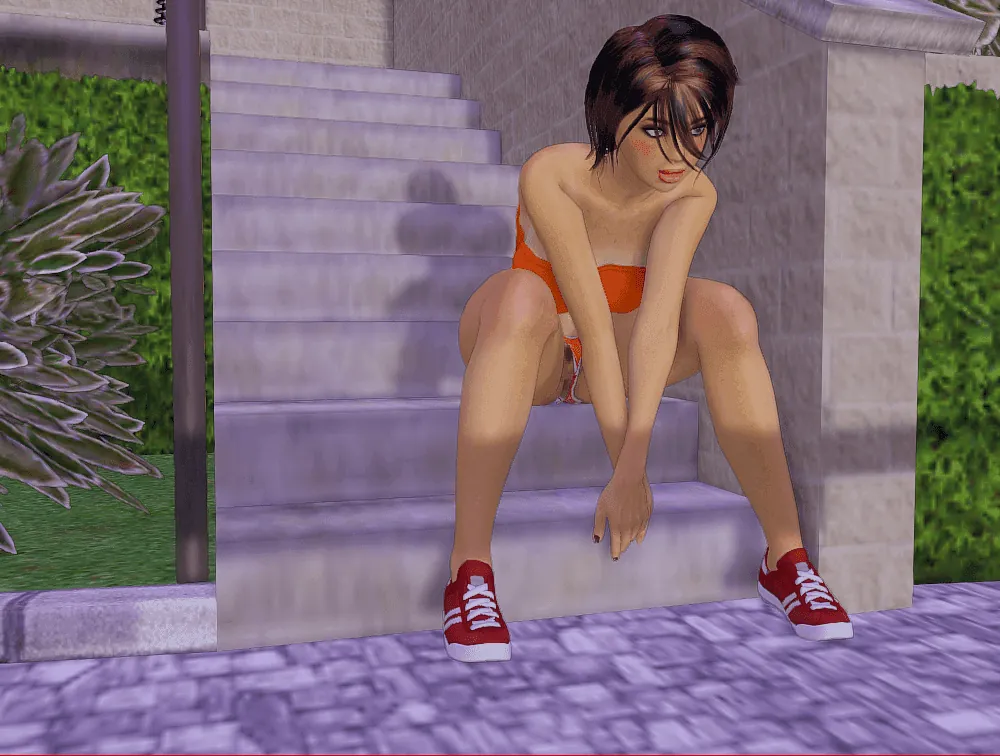
Play Returning to Mia
Returning to Mia Screenshots

















Returning to Mia review
Dive into the sequel’s tempting storylines and choices
Ever wondered what happens when past temptations pull you back in? Returning to Mia picks up two years after the original game, where your matured protagonist reunites with estranged sister Mia during a summer break at their aunt’s. With unresolved feelings simmering and a new girlfriend in the mix, every choice tests your resolve—stay faithful, rekindle old flames, or dive into debauchery? This sequel packs a sexy new cast, branching paths, and consequences that hit hard. I’ve sunk hours into it, and let me tell you, the tension is addictive. Ready to explore Returning to Mia’s world?
What Makes Returning to Mia a Must-Play Sequel?
I still remember stumbling across Returning to Mia on itch.io late one night. 🕹️ I was just browsing, not expecting much, when the promise of a mature, emotionally charged story caught my eye. Two hours later, I was completely hooked, drawn into a world of sun-drenched nostalgia and painfully tempting choices. That’s the magic of this Mia visual novel—it doesn’t just tell a story; it makes you live it, wrestle with it, and ultimately, shape it.
If you loved the first game or are just curious about this buzz-worthy sequel, you’re in the right place. This guide is your deep dive into what makes Returning to Mia a must-play sequel. We’ll unpack the gripping game plot summary, explore the heart-wrenching dynamics of the protagonist reunion with Mia, and break down why every decision you make carries real weight. Let’s get started. ✨
How the Story Builds on the Original Game
So, what is Returning to Mia at its core? It’s a story about the past crashing into the present, and the messy, beautiful, and sometimes heartbreaking consequences that follow. The game brilliantly builds on the foundation of the original by fast-forwarding two years. You’re no longer the same person, and neither are the people you left behind.
The summer break story setup is deceptively simple: your character receives an invitation from your aunt to spend the summer at her coastal home. It’s supposed to be a peaceful getaway. But here’s the catch—this is the same place, and the same family, you walked away from two years prior. The moment you arrive, the game masterfully uses environment and subtle dialogue to remind you of the history there. That empty porch swing, a familiar scent in the hallway, a photograph tucked in a drawer… it all feeds the central tension of the protagonist reunion with Mia.
This isn’t a reset button. The Returning to Mia sequel treats your past actions in the first game as canon, weaving them into the narrative fabric. Old wounds are referenced, past kindnesses remembered, and the silent question of “why did you leave?” hangs in the air. The genius is in how it makes that history matter without punishing new players. You feel the weight of the past, but the story is clearly focused on the new crossroads you now face. As the developer themselves put it on the game’s page:
“This is a story about facing the consequences of walking away, and the even harder consequences of choosing to stay. Every smile, every secret, every late-night conversation is a thread you can pull—will you mend what was torn, or unravel something new?”
This game plot summary boils down to a summer of confronting your estranged sister, Mia, while navigating a new romantic relationship you’ve built in your time away. The core drama is this incredible push-and-pull between fidelity and temptation, between the comfortable future you’re building and the unresolved, emotionally charged past that’s waiting for you on that sunlit porch. 😌
Key Characters and Their Tempting Dynamics
The soul of this Mia visual novel lies in its characters. They’re flawed, authentic, and their relationships with you (and each other) are layered with history, desire, and conflict. Your choices aren’t just about “good” or “bad” paths; they’re about which connection you choose to deepen, and which person you ultimately want to understand—or be with.
Here’s a quick breakdown of the main players in this emotional drama:
| Character | Description & Role in the Story |
|---|---|
| The Protagonist (You) | A young adult returning after two years, carrying guilt, maturity, and a new life that’s about to be tested by the past. |
| Mia | Your estranged sister. The heart of the conflict—proud, complex, and hiding vulnerability behind a guarded exterior. Reconnecting with her is the central temptation. |
| Your New Girlfriend | Represents your present and potential future. She’s supportive but exists outside this world of old history, creating a natural rift. |
| Your Aunt | The warm, sometimes mischievous host who brought you all together. She often acts as a catalyst for conversations and confrontations. |
| The New “Seaside” Characters | Fresh faces in town who offer completely new storylines and temptations, representing a future untainted by past complications. |
The dynamics are where the story shines. ✨ Every interaction with Mia is charged with subtext. A simple question about how you’ve been can feel like a minefield. Your new girlfriend, while loving, can’t fully understand the history you share with Mia, creating a natural and painful sense of distance. Meanwhile, the new characters you meet offer a tantalizing escape—a chance to write a completely new story without the baggage.
This rich web of relationships is what makes the Returning to Mia sequel so endlessly replayable. You might play once, fiercely loyal to your current partner. On another run, you might explore every nuanced interaction with Mia, trying to heal that broken bond. Or, you might throw caution to the wind and pursue a fling with a captivating new character. Each path feels valid and richly developed.
Why Player Choices Feel So Impactful
Many visual novels promise branching stories, but Returning to Mia delivers a sense of consequence that is truly rare. 🎭 This isn’t about picking obvious “heart” or “dagger” icons. Choices are woven into the natural flow of conversation and quiet moments of reflection.
The Illusion of Simplicity: Early on, you might face a choice as simple as helping your aunt with dishes or going for a walk alone. It seems insignificant, but that walk could lead to a chance, intimate encounter with Mia on the beach, completely altering the emotional trajectory of your day. The game brilliantly hides major branching points within seemingly casual decisions.
Emotional Calculus, Not Morality: The game rarely judges you for “right” or “wrong” choices. Instead, it asks: What do you value? Is it honesty with your new partner? Is it exploring the unresolved feelings with Mia? Is it self-preservation? I remember one pivotal moment from my playthrough: Mia asked me why I really came back, late at night when the house was quiet. The dialogue options weren’t just “I missed you” or “Aunt invited me.” One was a deflective joke, another was a half-truth about needing a break, and the third was a raw, vulnerable admission of regret. I chose the joke. The way her face fell, just for a second before she masked it with a smile, haunted me for the rest of that playthrough. That’s the impact we’re talking about.
The Ripple Effect: Choices compound. Building trust with Mia opens up new, more vulnerable conversation options later. Being secretive with your girlfriend increases her suspicion in subtle ways, affecting her dialogue and the tone of your phone calls. Pursuing a side character might cause you to miss a crucial moment with a main character, locking you out of an entire story branch. The latest game patch has even enhanced this system, adding more nuanced reaction dialogues and small scenes that reflect your accumulated choices.
Actionable Advice for Your Playthrough:
Don’t save-scum your first time! The magic of this Mia visual novel is living with your decisions. Let the story unfold naturally, even if it hurts. You can always replay for different endings.
Create dedicated save files at the start of each “chapter” or after major story beats. The Returning to Mia sequel has clear breaking points in the narrative. Having these saves makes it easy to jump back and explore different major branches without restarting from zero.
Pay attention to silences and body language. Sometimes, the most important reaction isn’t what a character says, but what they don’t say. The art and character expressions are a key part of the feedback loop.
What is Returning to Mia if not an experience in emotional agency? It’s a game that understands that the most compelling summer break story isn’t about the destination, but the fraught, beautiful, and tempting journey you take to get there. The game plot summary can tell you about the aunt’s house and the cast of characters, but it can’t capture the tightness in your chest when you have to choose between two people you care about, or the warmth of rebuilding a connection you thought was lost forever.
This is just the beginning of diving into the world of Returning to Mia. In future guides, we’ll map out specific relationship paths, decode the best ways to unlock every ending, and delve into the secrets hidden in this deceptively sunny coastal town. One choice at a time, your summer awaits. 🌅
Returning to Mia masterfully blends nostalgia, tension, and steamy choices that keep you coming back for more paths. From navigating your reunion with Mia to balancing new relationships, every decision shapes an unforgettable summer. I’ve replayed it multiple times, uncovering wild outcomes each go. If you’re into story-driven adventures with real stakes, grab it from itch.io and dive in. What’s your first big choice going to be? Share in the comments—I’d love to hear your takes!