
Play Stellar Dream
Stellar Dream Screenshots
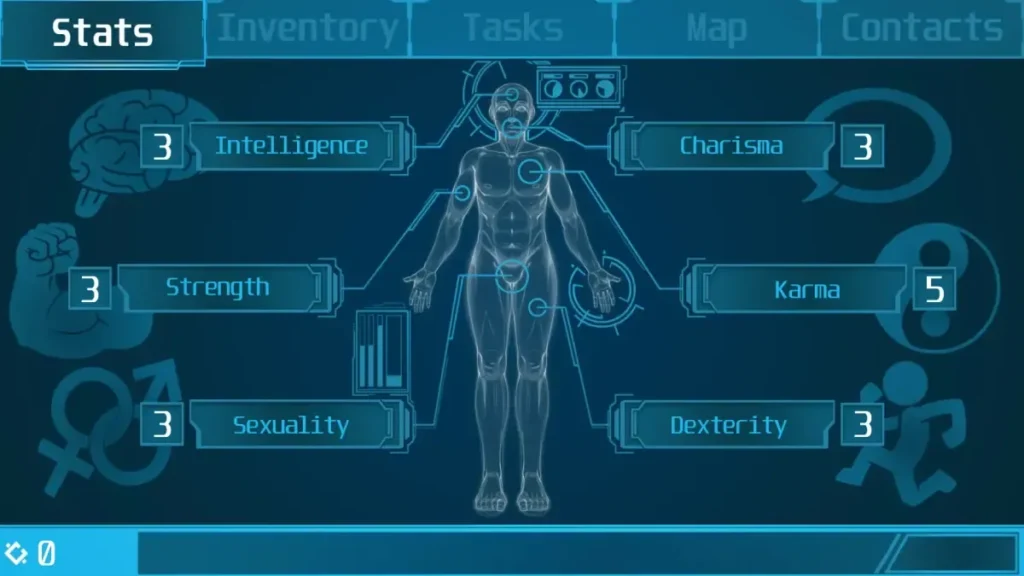







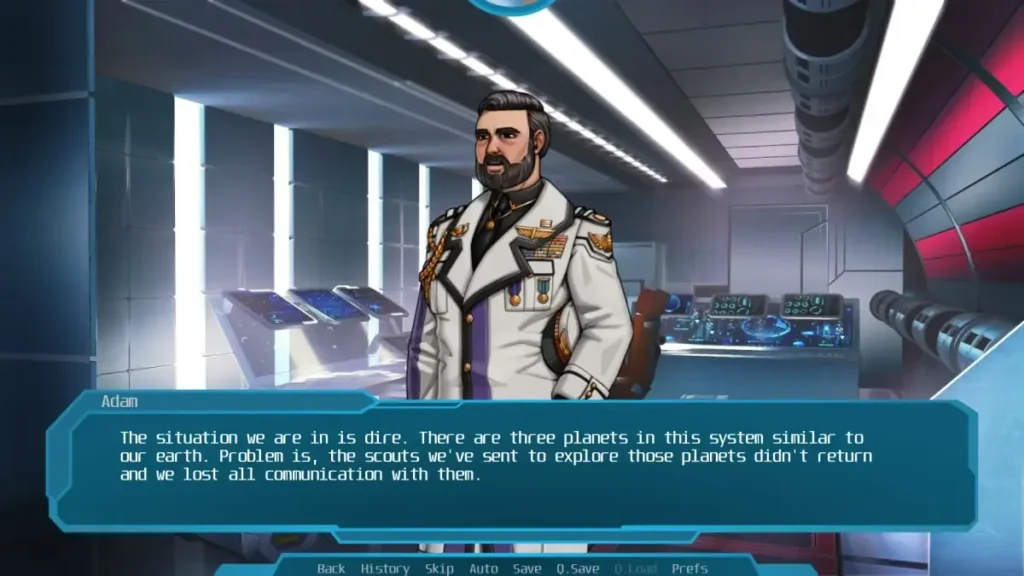




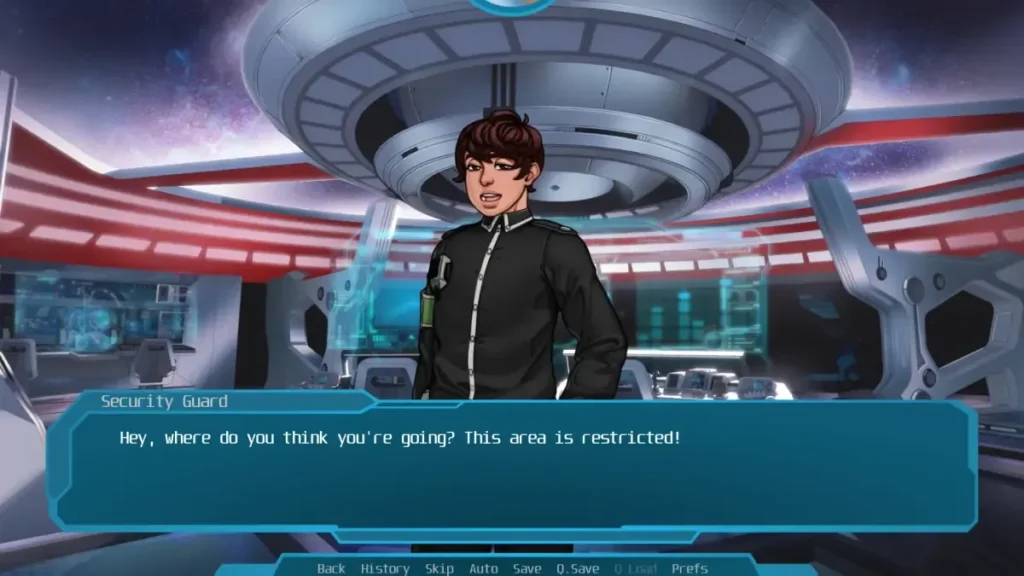



Stellar Dream review
Master the immersive sci-fi visual novel with our complete walkthrough and tips
Stellar Dream stands out as an immersive sci-fi visual novel that combines rich storytelling with strategic gameplay mechanics. Players board a colossal colony ship on a desperate mission to save humanity by exploring alien worlds, managing resources, and building relationships with over 10 unique characters. Whether you’re navigating romance paths or corruption routes, this guide covers everything you need to know about mastering Stellar Dream’s complex narrative systems, skill trees, and decision-making mechanics. From your first awakening as an amnesiac to establishing diplomatic relations with alien life forms, discover how to unlock the game’s full potential and experience multiple endings based on your choices.
Core Gameplay Mechanics & Systems in Stellar Dream
Let’s be honest: the first time I booted up Stellar Dream, I was totally overwhelmed. 🚀 I clicked through stunning cosmic vistas, met fascinating alien characters, and then promptly ran my ship, the Stardrifter, into an energy crisis while accidentally offending my crew. I was trying to enjoy a deep sci-fi visual novel, but I kept hitting walls because I didn’t grasp the Stellar Dream gameplay mechanics. Sound familiar?
Don’t worry, that’s why we’re here. Mastering this game isn’t just about picking the “right” dialogue option; it’s about understanding a beautifully interwoven system of choice, strategy, and growth. This chapter will break down the core systems so you can stop surviving and start thriving among the stars. Think of it as your personal Stellar Dream tutorial tips session, straight from someone who’s learned the hard way!
Understanding the Central Gameplay Loop
At its heart, the Stellar Dream gameplay mechanics revolve around a brilliant, three-part rhythm: Explore, Interact, and Manage. This loop is the engine of your entire journey.
First, you Explore. Using your ship’s scanner, you’ll chart courses to mysterious planets, asteroid fields, and space anomalies. This isn’t just fast travel. Each scan costs Energy, a key resource, and presents a risk-reward scenario. A “Stable” signal might yield common materials, while a “Fluctuating” one could hide a rare artifact or a dangerous space predator. My best tip? Save before a big scan! I once blew half my Energy on what turned out to be a cloud of space dust. 💫
Next, you Interact. This is where the visual novel magic happens. You’ll land on worlds and dive into story-rich encounters with your crew and alien beings. Every conversation is a tool. Your choices build your character affinity system with companions, opening unique quests and dialogues. But it goes deeper—your choices also secretly build points toward one of the game’s two major narrative paths: the Romance path (building genuine bonds) or the Corruption path (pursuing power at any cost). This dual-path system is the soul of the Stellar Dream gameplay mechanics.
Finally, you Manage. After every story beat, you return to your Stardrifter ship management hub. Here, you allocate the resources you’ve gathered, repair ship systems, train skills, and talk to your crew. This phase is your strategic breather. The resources you bring back—like Psi-Crystals, Neural Threads, and Stable Isotopes—are the fuel for both your ship’s upgrades and your personal progression. Neglect this, and you’ll find yourself unable to reach new story zones or pass crucial skill checks.
Pro Insight: The loop feels restrictive at first, but it’s genius. It forces you to live with the consequences of your exploration choices and narrative actions. A failed skill check in a dialogue isn’t just a “Game Over”; it’s a new branch in the story that sends you back to the management phase to train and prepare better for next time.
Skill Trees and Resource Management
This is where your choices become permanent power. Let’s demystify the skill trees Stellar Dream offers and the crucial resource management strategy that supports them.
Your character grows through three primary skill trees: Diplomacy, Intuition, and Resolve. You don’t pick a class; you build a hybrid suited to your playstyle.
* Diplomacy is your social toolkit. It unlocks persuasive dialogue options, improves trade rates with aliens, and is vital for the Romance path. Investing here makes the social game smoother.
* Intuition is for explorers and hackers. It improves your scanner efficiency, lets you decipher alien tech, and spot hidden details in environments. If you love exploration, this is your tree.
* Resolve is about inner strength and force. It unlocks intimidating dialogue options, increases your damage resistance in certain dream sequences, and is key for the Corruption path.
Training a skill requires two things: time (a limited resource between story chapters) and specific resources. For example, leveling up Diplomacy might cost Neural Threads gathered from peaceful alien encounters, while Resolve might require Psi-Crystals mined from volatile asteroids.
This is your core resource management strategy. You cannot max out everything in one playthrough. You must choose. Are you gathering resources to charm a certain companion (Diplomacy), or to strengthen your will to dominate dreamscapes (Resolve)?
This system directly feeds into the Stardrifter ship management. Your ship has its own upgrade modules—Shields, Engines, Scanner, and Living Quarters. Upgrading the Scanner with Stable Isotopes lets you find rarer exploration sites. Improving Living Quarters with gathered alloys boosts crew morale, which can give you temporary affinity bonuses. Your ship isn’t just a taxi; it’s a reflection of your strategic priorities.
The pinnacle of this strategy is how it diverges on the Romance vs. Corruption paths. The narrative path you’re leaning toward should dictate your resource management strategy.
| Aspect | Romance Path Focus | Corruption Path Focus |
|---|---|---|
| Dialogue Choices | Empathetic, cooperative, curious. Prioritizes group harmony. | Pragmatic, aggressive, secretive. Prioritizes personal advantage. |
| Character Quests | Focus on helping companions with personal struggles, requiring time investment. | Often involve acquiring forbidden knowledge or power, requiring risky exploration. |
| Resource Allocation | Invest in Living Quarters & Scanner. Save rare gifts for companions. Use resources for Diplomacy/Intuition training. | Invest in Engines & Shields. Hoard Psi-Crystals for power rituals. Use resources for Resolve training. |
| Ultimate Outcomes | Unlights “Unity” endings focused on alliances, understanding, and shared futures. | Unlocks “Ascendancy” endings focused on personal power, control, or transcendent transformation. |
The Dream-Shifting Ability Explained
Now, let’s talk about the game’s most unique feature: your dream-shifting ability. This isn’t a simple “press X to win” power. It’s a complex, resource-driven mechanic that can completely alter puzzle solutions and narrative outcomes. Consider this your essential dream-shifting ability guide.
In Stellar Dream, you are a Dream-Walker. At key points in the story, you’ll enter the “Dream-Scapes” of other characters or even collective alien consciousness. These are surreal, symbolic puzzle zones. Your default state here is observational. You can look, but not touch.
Activating your dream-shifting ability consumes Willpower (a special resource pool that refills slowly). With Willpower spent, you can alter the dream’s reality. For example, a character’s dream of a barren, cracked desert could be shifted into a lush oasis, fundamentally changing their emotional state and opening new dialogue trees.
Here’s the kicker: your success and the cost are modified by two things:
1. Your Affinity with the Dreamer: If the character likes and trusts you, shifting costs less Willpower and is more potent. Trying to shift the dream of someone who hates you might fail or even backfire.
2. Your Relevant Skill Level: Shifting a dream to calm a terrified person might use your Diplomacy skill. Forcing a nightmare to reveal a hidden truth might use Resolve.
Practical Example: Early on, I entered the dream of my engineer, Kaelen, who was haunted by a past failure. His dream was a fractured starship bridge with blaring alarms (a Dream-Scape). I had high affinity with him. I used my dream-shifting ability, spending Willpower, and used a Diplomacy check to “mend” the broken console in his dream. It cost little Willpower due to our bond. The shift succeeded, changing the dream to a quiet, functioning bridge. This granted me a major affinity boost and later, a unique ship upgrade blueprint he “remembered.”
Without the affinity, the shift would have cost double the Willpower, which I didn’t have, locking me out of that outcome. This mechanic beautifully ties the character affinity system, your skill trees Stellar Dream investment, and resource management (Willpower as a resource) into one impactful moment.
Crucial Tip: Never enter a major story dream sequence with empty Willpower. Treat it like you would your ship’s fuel. Plan your activities so you have a reserve. Some of the game’s most rewarding secrets are hidden behind complex, multi-stage dream shifts.
To wrap up this deep dive into the Stellar Dream gameplay mechanics, let’s solidify your foundation with some actionable steps. Here are my essential Stellar Dream tutorial tips to implement right from the start:
- Scanner is Your Best Friend: Use it every time you jump. Prioritize “Fluctuating” signals early on when you can afford risks for big resource payoffs. 🔍
- Save Often and in Multiple Slots: This is a branching narrative. Save before scans, before major dialogues, and definitely before entering any Dream-Scape.
- Early-Game Priority Order: 1) Upgrade your Scanner once to find better sites. 2) Focus on building affinity with one core crew member first. 3) Pick one primary skill tree (Diplomacy, Intuition, or Resolve) and stick to it for the first few chapters.
- Manage Willpower Like a Currency: Don’t use your dream-shifting ability on trivial dream objects. Save it for clear narrative pivots or when you have very high affinity with the dreamer.
- Talk to Your Crew on the Stardrifter: This isn’t just fluff. It often gives hints about upcoming challenges, reveals what resources they like (for gifting), and passively builds affinity.
Mastering these interconnected systems—the loop, the skills, the ship, and the dream-shifting—is what transforms Stellar Dream from a pretty story into an immersive experience where you truly feel like the architect of your own cosmic destiny. Now, go manage those resources and shape some dreams! ✨
Stellar Dream delivers a compelling sci-fi experience that rewards both strategic thinking and narrative exploration. From mastering the core gameplay mechanics and skill trees to navigating complex character relationships and branching story paths, the game offers unprecedented depth for players seeking meaningful choices and consequences. The combination of cinematic visuals, immersive world design, and multiple endings ensures that each playthrough feels unique and engaging. Whether you’re pursuing romance, corruption, or discovering hidden narrative routes like the Astraea Gambit and Kael’s Shadows, the strategies and insights covered in this guide will help you unlock the full potential of your Stellar Dream experience. Start your journey with optimized stat allocation, explore every corner of the alien worlds, and make choices that align with your desired ending. Your mission to save humanity awaits—dive in and discover why Stellar Dream stands out as a standout title in interactive storytelling.