Strange Nights
Play Strange Nights
Strange Nights Screenshots
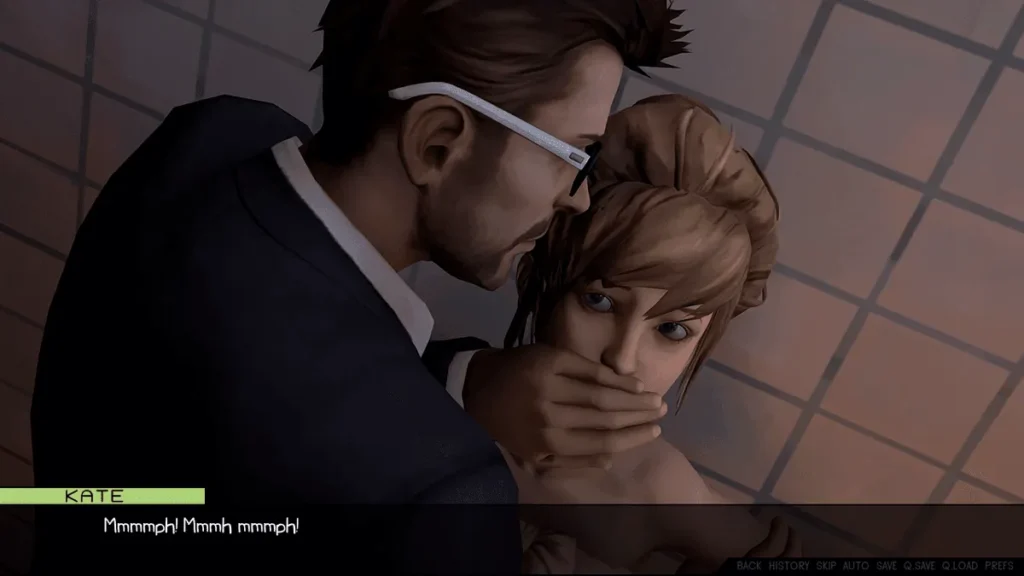
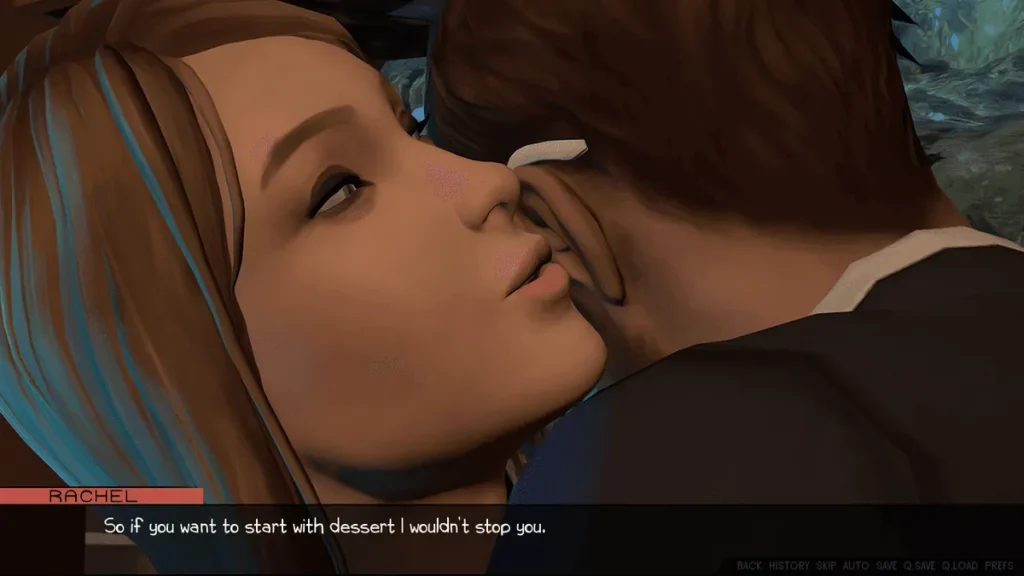
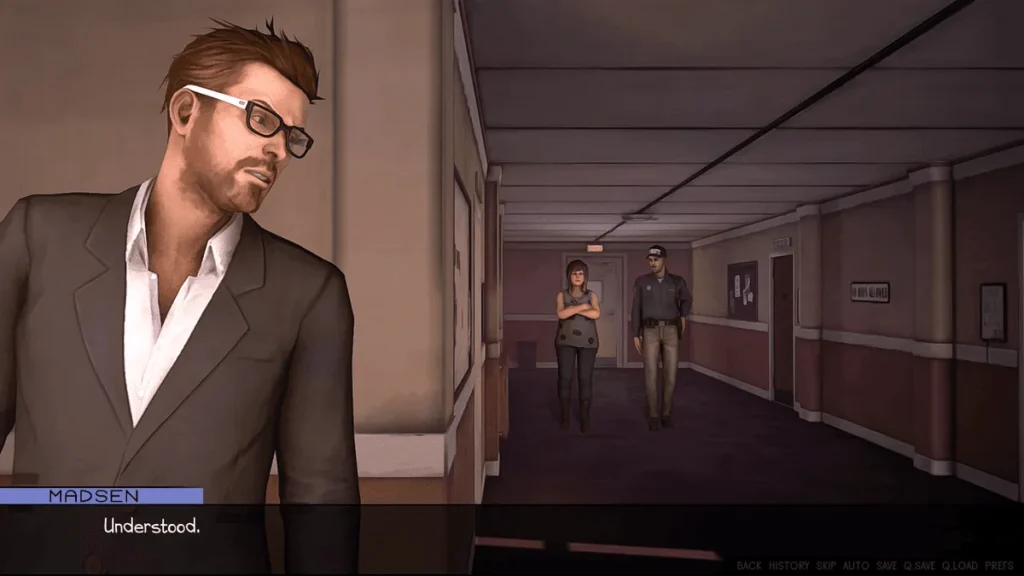

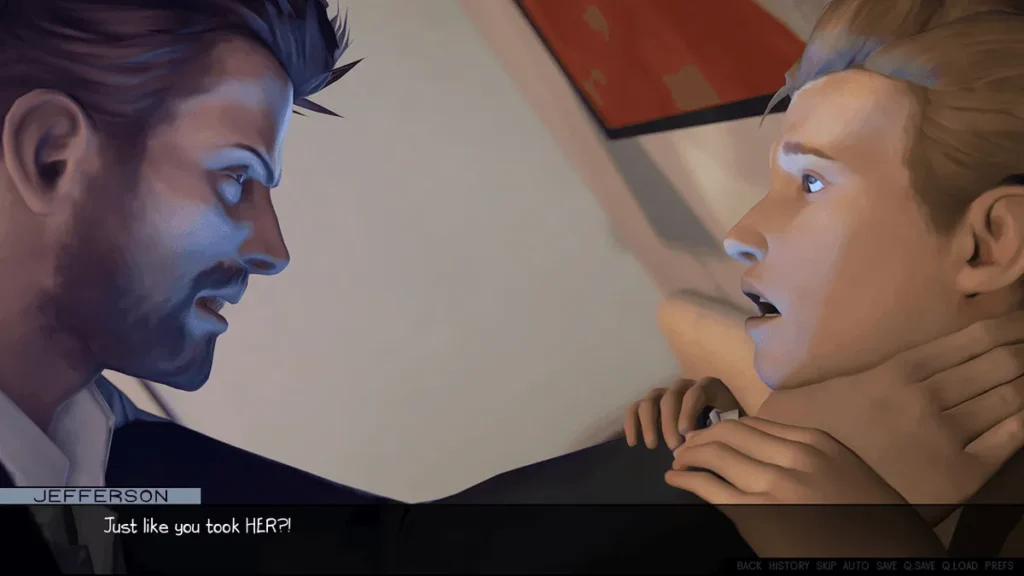
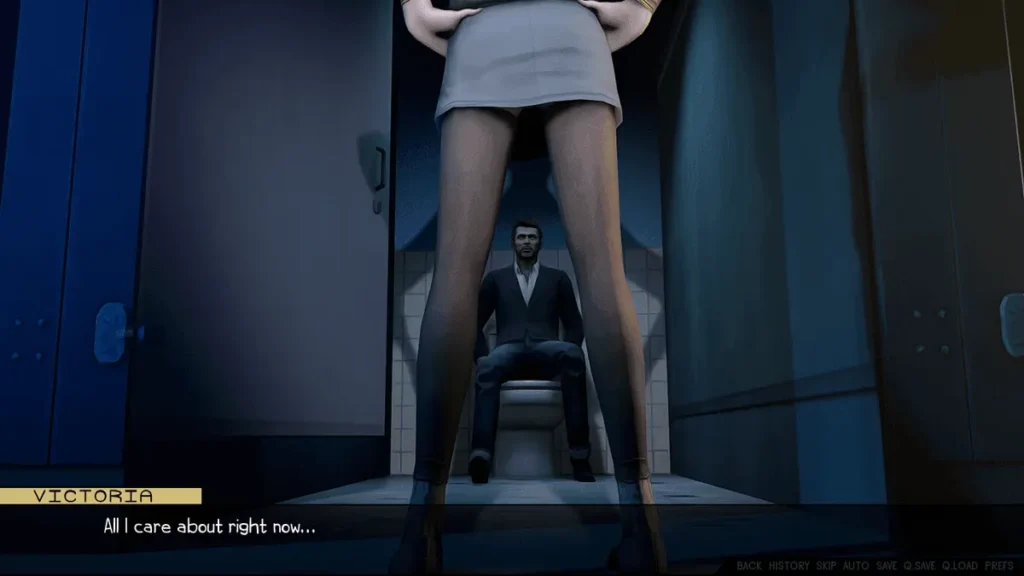
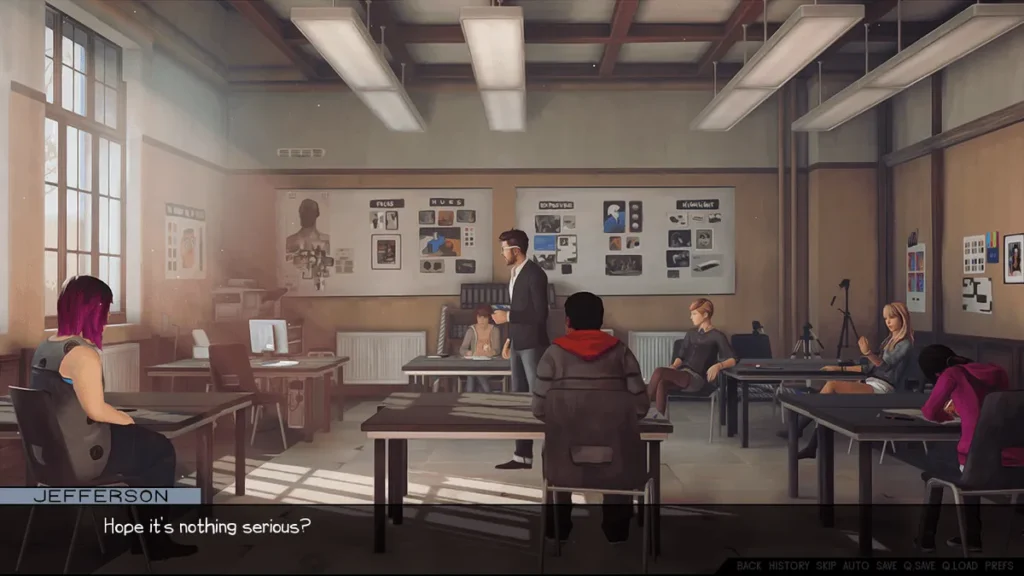
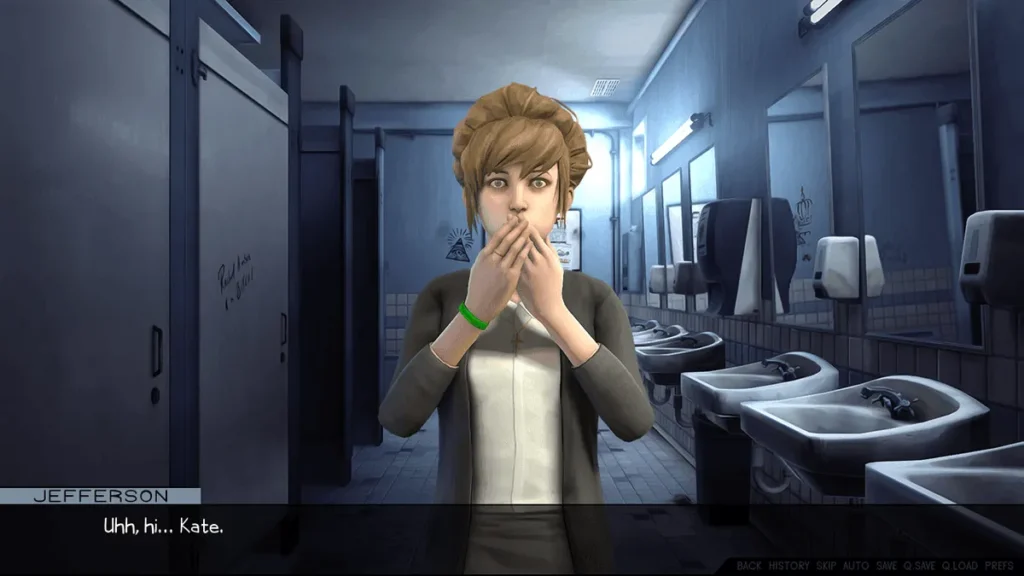
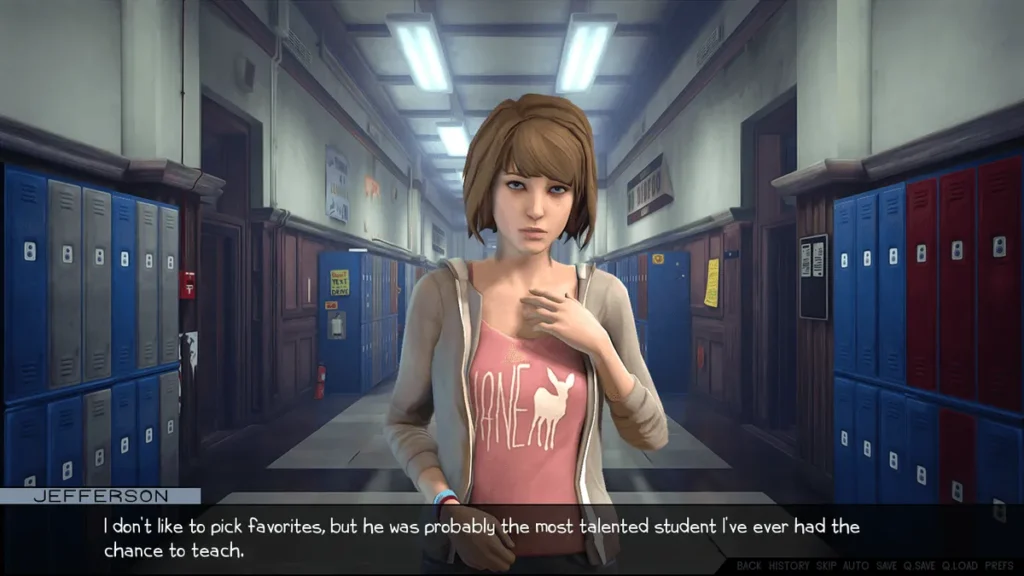
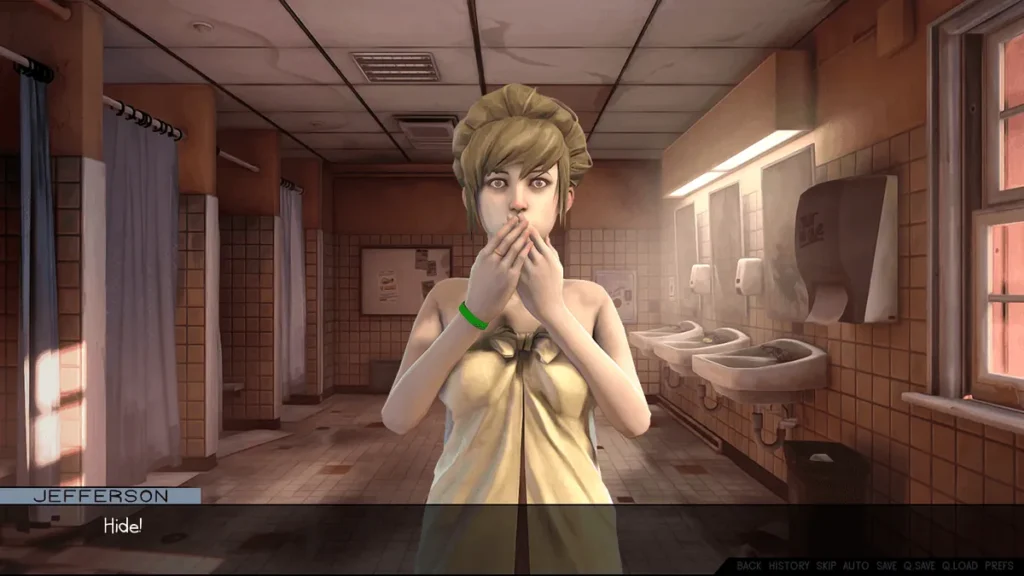
Strange Nights review
An in-depth, player-focused guide to Strange Nights
Strange Nights is a provocative adult-oriented game that blends narrative choices, character interactions, and visual storytelling into a distinctive player experience — here I share an honest, experience-driven guide to help you understand what the game offers and whether it fits your preferences. In this article I’ll cover the game’s premise, core mechanics, character design, practical setup advice, and hands-on tips from my play sessions. If you’re curious about Strange Nights, this guide will save you time and help you get the most from your sessions.
What is Strange Nights? Story, Setting, and Characters
So, you’ve just booted up Strange Nights and that haunting, synth-laden title track starts to play. You’re thrown right into the driver’s seat of a story that feels equal parts intimate mystery and existential thriller. If you’re wondering what you’ve signed up for, you’re in the right place. This Strange Nights overview will pull back the curtain on the game’s captivating core. 😌
At its heart, Strange Nights is a narrative-driven experience where your choices don’t just nudge the story—they fundamentally rewrite it. The Strange Nights story begins with a simple, brilliant hook: you, the player, inherit a dusty, old apartment in a rain-slicked city you’ve never visited. But with the keys comes a cryptic request from a relative you barely knew: “Watch the city. Listen to its nights.” From that moment, the game masterfully builds a tone of melancholic curiosity and creeping unease. It’s not about jump scares; it’s about the chill that settles in your spine when a neighbor’s story doesn’t quite add up, or when you notice the same strange symbol etched in two seemingly unrelated places. ✨
The magic of this Strange Nights overview is understanding that you’re both a detective and a citizen. You’ll spend your nights observing the surrounding apartments through your window, listening to snippets of lives in crisis, and your days venturing out to interact with the people behind those windows. The genius is in the pacing—long, quiet periods of observation are punctuated by intense, choice-laden conversations. This push and pull is what makes the Strange Nights setting breathe with such eerie life.
Overview: Premise and tone
The central premise of Strange Nights is deceptively simple: uncover the connections between your neighbors in a single, run-down apartment complex over one fateful month. But the tone is where it truly shines. Imagine the lonely, cinematic vibe of a neo-noir film fused with the personal, branching drama of a modern novel. The game has a wonderful, almost tactile atmosphere. The art direction uses a muted color palette, dominated by deep blues, neon pinks from street signs, and the warm, lonely glow of apartment windows, which makes every scene feel like a painted snapshot of urban isolation. 🎨
The writing is sharp and layered. Characters don’t just info-dump their problems; they reveal themselves in fragments, through off-hand comments, defensive reactions, and what they choose to hide. The voice acting (where present) is subdued and realistic, adding a layer of raw humanity that deepens the immersion. It’s important to note the game’s mature context. Strange Nights deals with adult-themed content including complex psychological states, interpersonal conflict, and morally ambiguous situations. It’s a game for players who enjoy thoughtful, character-driven drama that doesn’t shy away from the darker corners of human experience.
This careful tone-setting is crucial for the Strange Nights narrative choices you’ll face. You’re never a superhero; you’re a flawed, intervening presence. A choice to pry might bring you closer to the truth but destroy a fragile trust. Choosing to listen without judging might open a door that was previously slammed shut. Your moral compass is your primary tool, and it will be tested.
Main characters and relationship dynamics
The soul of the Strange Nights story resides in its inhabitants. You’re not just learning a plot; you’re navigating a web of fragile, interconnected lives. Your choices directly shape your bonds with them, turning allies into adversaries or strangers into confidants. Let me give you an example from my first playthrough. I immediately connected with Leo, the struggling musician downstairs. His passion was infectious, and I often chose encouraging, artist-friendly dialogue. This led to him sharing demos of his music—haunting tracks that later contained cryptic clues about the building’s history I would have otherwise missed. Our relationship became a key to a whole subplot. 🎵
On the other hand, I was deeply suspicious of Mara, the intensely private nurse across the courtyard. My early choices were cynical, questioning her odd hours. In response, she shut me out completely, and a vital thread of the story remained locked. In a second playthrough, approaching her with measured concern instead of suspicion unlocked a heartbreaking storyline about loss and guilt that became the emotional core of my game. This is the power of Strange Nights characters; they feel like real people who react to your attitude.
To help you keep track of the complex personalities in the complex, here’s a quick guide:
| Character Name | Personality Traits | Role in Story | Gameplay Impact Note |
|---|---|---|---|
| Leo | Idealistic, Anxious, Passionate | The Heart. Your most direct link to the building’s artistic past and present tensions. | Building trust with him opens audio-based clues and alternative pathways into other character stories. |
| Mara | Guarded, Compassionate, Weary | The Mystery. Holds key information about a central tragic event that echoes through the narrative. | Your approach (empathic vs. investigative) determines if she becomes a pivotal ally or a closed door. |
| Victor | Authoritative, Charismatic, Secretive | The Authority. The building’s superintendent who may be managing more than just repairs. | Choices to align with or challenge his authority create major forks in the **Strange Nights plot branches**, especially regarding community action. |
| Sam | Observant, Sarcastic, Lonely | The Watcher. A retiree who has seen decades of the building’s comings and goings. | Sharing your own observations with him can trigger his memory, unlocking hidden backstory and lore about the setting. |
The relationship dynamics are the game’s true engine. It’s not a simple friendship meter. You might have a tense, distrustful relationship with someone that is nonetheless productive for uncovering secrets. The game recognizes that not all meaningful human connections are warm and fuzzy. This nuance makes every interaction feel weighty and real.
Worldbuilding: Locations, events, and narrative beats
The Strange Nights setting is a character in itself. The primary location is the “Vespera” apartment complex, a once-grand structure now showing its age. You’ll come to know every creaking floorboard in the hallway, the particular flicker of the light in the stairwell, and the view from every angle of your apartment window. This constrained geography is a masterstroke. By limiting the physical space, the game forces depth. You learn the significance of a broken lock on the rooftop door, or what it means when a certain light in the courtyard is left on past dawn. 🌃
Recurring events structure your journey and create a lived-in rhythm. Every Sunday, the neighbors might gather for a tense, optional meeting in the lobby. Every Wednesday night, a specific argument echoes from a certain apartment. These aren’t just set pieces; they are opportunities. In one playthrough, I used the weekly Sunday gathering to publicly side with Victor on a noise complaint, gaining his favor but alienating Leo. This single event rippled out, changing how both characters interacted with me for the rest of the game and altering available Strange Nights narrative choices in their personal arcs.
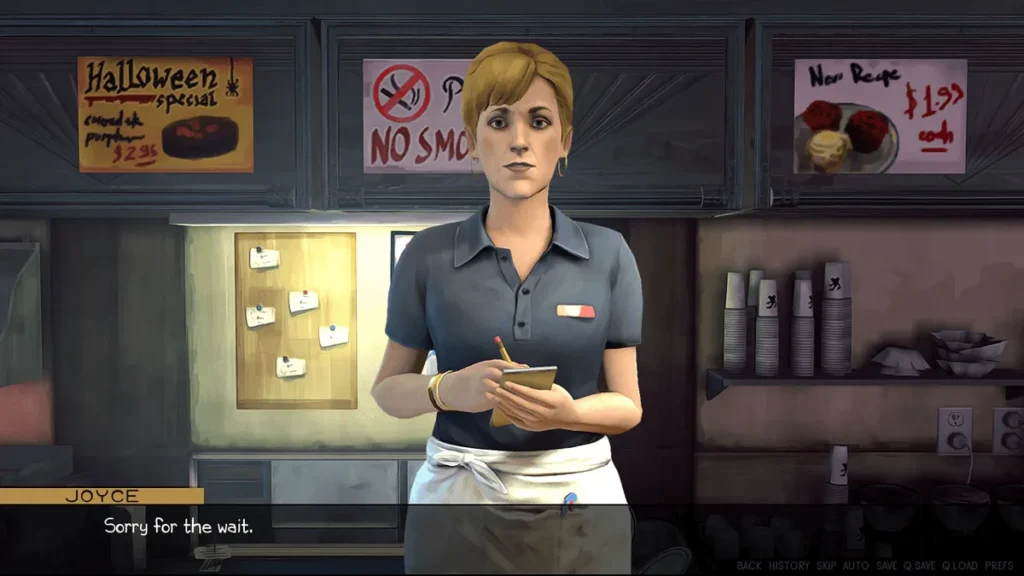
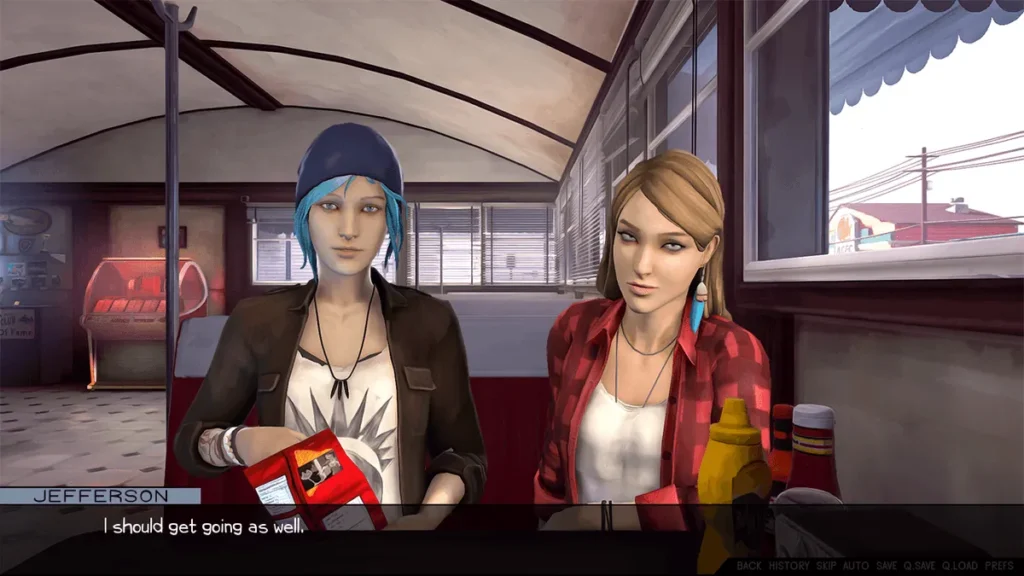
The city beyond your window is just as carefully crafted. Your forays out are limited but meaningful—a visit to a dimly-lit archival library, a rainy walk to a secluded park bench, a tense meeting in a retro diner. Each location is tied to a character’s past or a piece of the central mystery. The narrative beats often hit hardest in these spaces outside the Vespera. I’ll never forget the scene in the diner with Mara, where the clatter of dishes and the low hum of conversation made her quiet confession feel both incredibly intimate and starkly real. The environmental storytelling—through flyers on bulletin boards, headlines on discarded newspapers, and changing graffiti—constantly feeds you information about the wider world’s decay, mirroring the personal struggles inside the apartments.
Tip: Pay extreme attention during the “quiet” nights of observation. The game often seeds future Strange Nights plot branches in the background details—a character leaving at an unusual hour, a shadow in a window where there shouldn’t be one. Jotting down these moments mentally (or literally!) can help you connect dots much later.
Ultimately, the Strange Nights setting works because it feels authentically layered. History is baked into the peeling wallpaper. The events feel like they emerge from the characters’ lives, not just the plot’s needs. And the narrative beats—the big reveals, the emotional confrontations—land with force because you’ve spent time truly inhabiting this small, strange corner of the world. Your investment in the place itself makes the Strange Nights story not just something you watch, but something you uncover, piece by piece, from within. 🔍
Strange Nights offers a layered, choice-driven experience that rewards curiosity, careful saving, and exploration of character paths — my play sessions showed the game’s strengths in narrative branching and atmosphere, and with the practical tips above you can streamline your setup, avoid common pitfalls, and plan replay sessions to uncover alternate outcomes. If you enjoyed this guide, try the recommended first-session checklist and share your experiences in the game’s community to learn new approaches and scenes.