
The Restaurant
Play The Restaurant
The Restaurant Screenshots

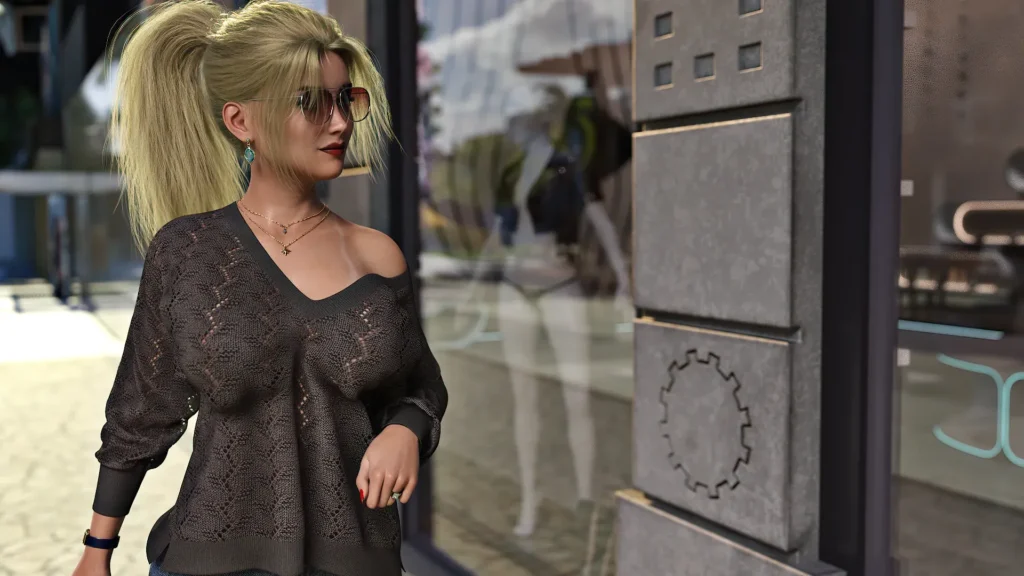








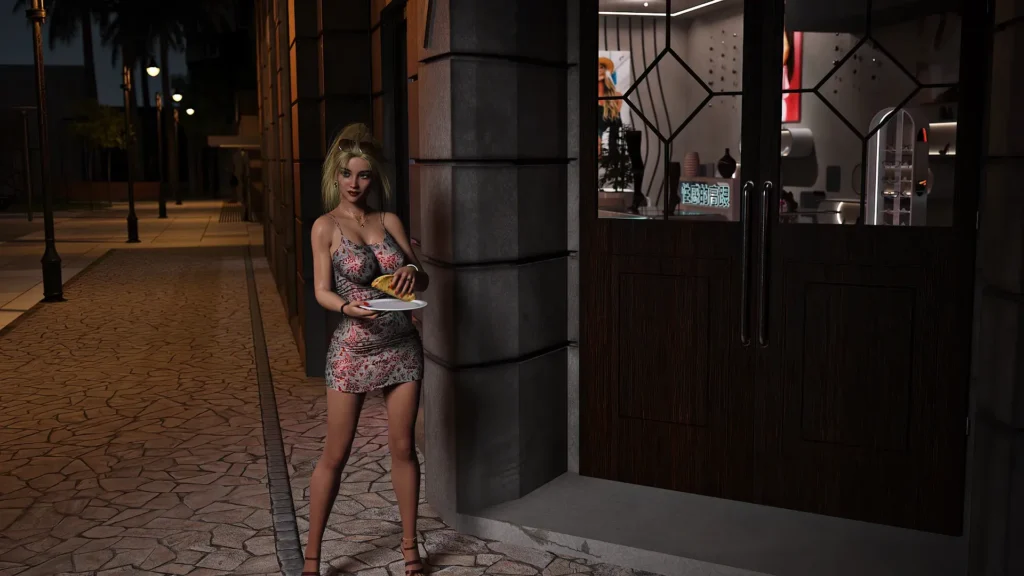
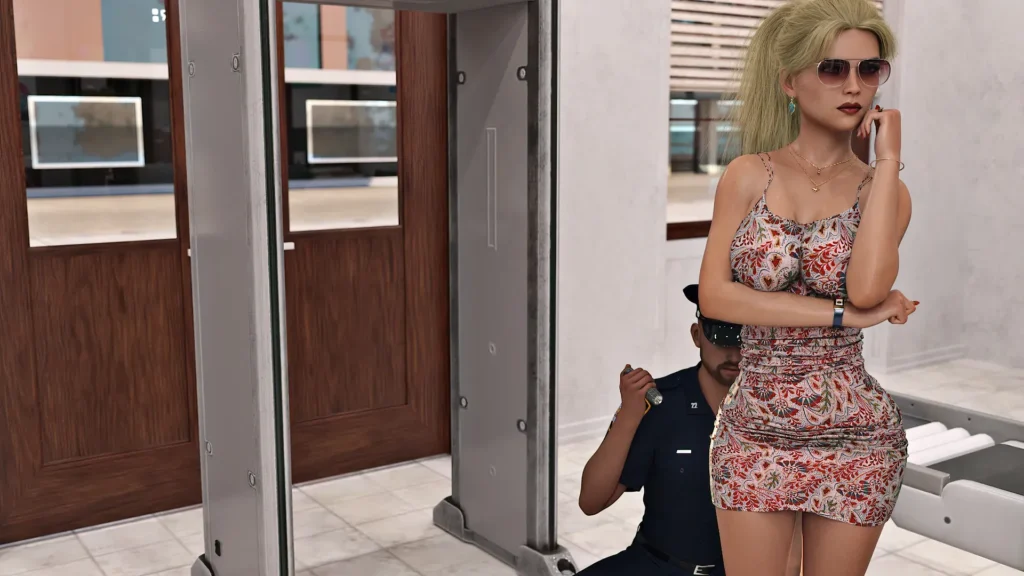









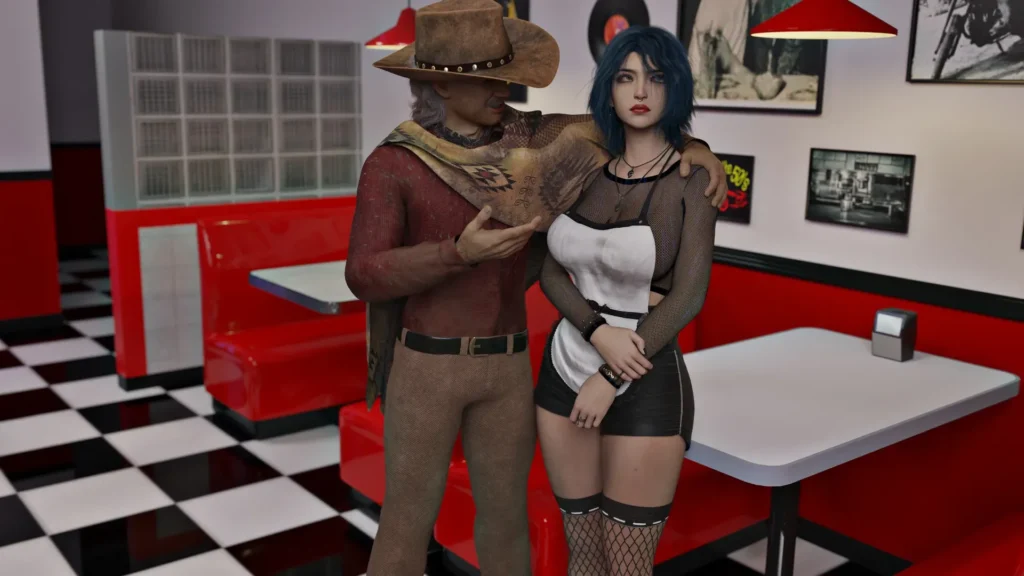




The Restaurant review
Master the mechanics, narrative choices, and management systems in this immersive interactive experience
The Restaurant stands out as a uniquely immersive experience that blends management simulation with deeply branching narrative storytelling. Unlike traditional games focused on combat or exploration, this title places you in the worn shoes of a restaurant employee navigating complex human relationships and business decisions. The game’s core appeal lies in its interactive gameplay loop where every choice genuinely matters, from dialogue decisions with staff to resource management strategies. Whether you’re drawn to character-driven stories, strategic management mechanics, or games where your decisions shape multiple endings, The Restaurant offers a compelling experience that rewards both careful planning and meaningful player agency.
Understanding The Restaurant’s Core Gameplay Mechanics
Ever felt completely lost during your first shift in a new job? 🙈 That’s exactly how I felt booting up The Restaurant for the first time. Customers were talking, the kitchen timer was beeping, and I was just clicking frantically, hoping for the best. It was chaos! But then, something clicked. I realized this wasn’t just about serving food; it was a beautifully interconnected machine of decisions, relationships, and strategy. Mastering The Restaurant gameplay mechanics is the key to transforming that initial panic into a symphony of efficient, rewarding management.
This chapter is your backstage pass. We’re going to break down the core systems that make this interactive experience tick, from the satisfying grind of the interactive gameplay loop to the delicate art of conversation. By the end, you’ll have a solid resource management strategy and understand how every choice you make shapes your unique story. Let’s get started.
How the Interactive Gameplay Loop Works
At its heart, The Restaurant is built on a deeply satisfying and reactive daily cycle. This isn’t a static environment; it’s a living world where your actions directly shape the next day. The foundational interactive gameplay loop is elegant in its design: Serve Customers -> Earn Points & Build Relationships -> Invest & Upgrade -> Attract More Customers. Rinse and repeat, but with endless variations. 🔄
Your primary unit of time is the “shift.” Each day, you manage your restaurant through a service period. You’ll seat customers, take their orders, prepare dishes (which is a simple but engaging mini-game of timing and sequence), and serve them. The speed and quality of your service directly influence your tips and, most importantly, your earnings in Shopping Points (SP). But here’s where it gets clever: the game doesn’t end when the last customer leaves.
After the shift, the world opens up. This is your management and social phase. You can:
* Visit the shop to invest your hard-earned SP.
* Walk around town and interact with your staff and other characters.
* Initiate hangout events to deepen relationships.
* Review your restaurant’s stats and plan your next move.
This loop creates a powerful rhythm. The tension of a busy shift melts into the strategic calm of the investment phase, which then fuels the success of your next shift. The game’s current version (0.2.3) polishes this loop to a shine, making every in-game day feel meaningful. Your The Restaurant game progression is measured not just by your bank account, but by the evolving stories of the people around you and the growing prestige of your eatery. It’s this blend of immediate action and long-term planning that makes the core gameplay mechanics so addictive.
Resource Management and Shopping Points System
If the gameplay loop is the engine, then resources are the fuel. 🛢️ And the premium currency of your culinary empire is the Shopping Points system. Forget generic cash; SP is earned directly from customer satisfaction. Serve a dish perfectly, and you’re rewarded with high-quality SP. Mess up the order, and you’ll get a pittance. This directly ties your performance to your progression, making every plate you send out matter.
So, what do you spend these precious points on? Everything!
* Recipes: New dishes are your primary income multiplier. A broader, higher-quality menu attracts more customers and commands higher prices.
* Equipment: Faster ovens, better fryers—these reduce preparation time, letting you serve more customers per shift and reduce wait times (which keeps happiness high!).
* Decorations: This is the secret sauce. 🎨 Every chair, painting, or floor tile you buy contributes to your Decoration Points. A higher Decoration score directly influences the type and number of customers who walk through your door. It can also trigger special events and character storylines. Think of it as your restaurant’s charisma stat.
Let’s talk strategy with a real example. Early on, I was scatter-shot, buying a cute plant here, a new appetizer there. My progress was slow. Then, I focused. Here’s a 7-day resource management strategy that supercharged my The Restaurant game progression:
Pro Tip: For the first week, funnel 70% of your SP into one or two key recipes and the equipment that speeds them up. Use 20% for essential decorations that boost your score efficiently, and save 10% as a buffer. This compounds your earnings rapidly.
A Practical 7-Day Progression Arc:
* Days 1-2: Grind the basic menu. Your goal is to save about 50,000 SP. Customer volume is low, so focus on perfect orders.
* Day 3: Invest in your first major recipe upgrade (e.g., from “Basic Curry” to “Hearty Beef Curry”). This significantly boosts your SP per customer.
* Days 4-5: Reinvest all earnings from the new dish into the matching kitchen station upgrade. This lets you fulfill orders faster, serving more people per shift.
* Day 6: Now, take a chunk of your accumulated SP (say, 80,000) and buy a high-impact decoration that boosts your Decoration Points by a large margin. Watch as new customer types appear.
* Day 7: Your daily earnings have now compounded. You’re easily pulling in 400,000+ yen worth of SP per shift, giving you the financial freedom to explore character stories and niche upgrades.
This brings us to a critical, limited resource: Action Points (AP). 🎯 Walking around town and hanging out with characters costs AP. Managing your AP is crucial. Do you spend it shopping for a new vase to attract wealthier clients, or do you use it to have a coffee with a stressed-out waiter, potentially unlocking a mission that improves team morale? This constant balancing act is at the heart of advanced play.
To see how all these systems dance together, check out this table:
| Core Mechanic | Primary Function | Key Player Impact |
|---|---|---|
| Resource Management | Allocating SP, AP, and time between recipes, decor, equipment, and social activities. | Directly controls the speed of your restaurant’s growth and the unlocking of late-game content. |
| Dialogue & Choice | Determining responses during conversations with characters. | Shifts relationship levels, unlocks exclusive story branches, and can reveal hidden stats or trigger special events. |
| Event Triggers | Conditions like Decoration Score, Relationship Level, or specific previous choices being met. | Unlocks character hangouts, special customer visits, and narrative missions that offer unique rewards. |
| Skill Training | Improving cooking speed and accuracy through repeated practice during shifts. | Increases SP yield per shift and reduces stress during peak hours, creating a more efficient gameplay loop. |
Character Interactions and Dialogue Choices
While a profitable restaurant is great, the soul of The Restaurant lies in its people. This is where the game truly becomes an interactive experience. Every major character, from your fellow waitstaff to the mysterious regular in the corner, is a doorway to a deeper story. Engaging with them isn’t just filler—it’s a core gameplay mechanic with tangible rewards and consequences.
The magic happens through character dialogue choices. Whenever you strike up a conversation, you’ll typically be presented with 2-4 response options. These aren’t just “Good” or “Evil” picks. They’re nuanced, reflecting different personality traits like being Supportive, Playful, Ambitious, or Pragmatic. 🎭
For instance, early on, I noticed our chef, Kaito, was constantly burned out. During a chat, the game gave me a choice:
1. “You need to push through; the customers come first.” (Ambitious)
2. “Maybe we should simplify the menu to reduce your load.” (Pragmatic)
3. “Take a break tomorrow; I’ll handle the prep.” (Supportive)
I chose the supportive route. This cost me some short-term efficiency (and AP!), but it boosted my relationship with Kaito significantly. A few days later, he approached me with a personal quest to source a rare ingredient. Completing it not only deepened our bond but also permanently unlocked a new, high-profit signature dish for the restaurant. That’s the choice and consequence mechanics in action!
Your choices create ripples. Choosing to prioritize a relationship with one staff member might make another jealous, subtly affecting their performance. Agreeing to help a local supplier with a problem might lock you out of a cheaper vendor later but open up a unique storyline. The game remembers. These character dialogue choices weave a personalized narrative tapestry that makes your playthrough uniquely yours.
The ultimate strategic layer here is balancing the immediate cost of an action (SP, AP, time) against long-term narrative and gameplay rewards. Is spending 5,000 SP on a gift for a character worth it? If it unlocks a mission that rewards a recipe that earns 10,000 SP per day, then absolutely. This blend of emotional investment and cold, hard strategy is what makes managing The Restaurant so profoundly engaging. You’re not just a manager; you’re a friend, a mentor, and a architect of fates, all while making sure the fries don’t burn. 🍟
By understanding these three pillars—the relentless, rewarding interactive gameplay loop, the strategic depth of the Shopping Points system, and the nuanced power of character dialogue choices—you lay the foundation for mastery. Your resource management strategy will evolve from simple budgeting into a fine art, and you’ll watch with pride as your early decisions fuel an incredible The Restaurant game progression. Now, get out there and build not just a restaurant, but a legacy.
The Restaurant delivers a distinctive gaming experience that successfully merges management simulation with emotionally resonant narrative storytelling. The game’s strength lies in its commitment to player agency—your choices genuinely matter, shaping character relationships, business outcomes, and story direction across multiple playthroughs. By mastering the balance between resource management and character engagement, players unlock a living world that remembers their decisions and rewards thoughtful interaction. Whether you’re drawn to strategic management, character-driven narratives, or games that value meaningful choice, The Restaurant offers a compelling journey through the complex dynamics of human relationships set within an intimate restaurant setting. Dive into this immersive experience and discover how your decisions create a unique story that’s entirely your own.