The Sin Within
Play The Sin Within
The Sin Within Screenshots
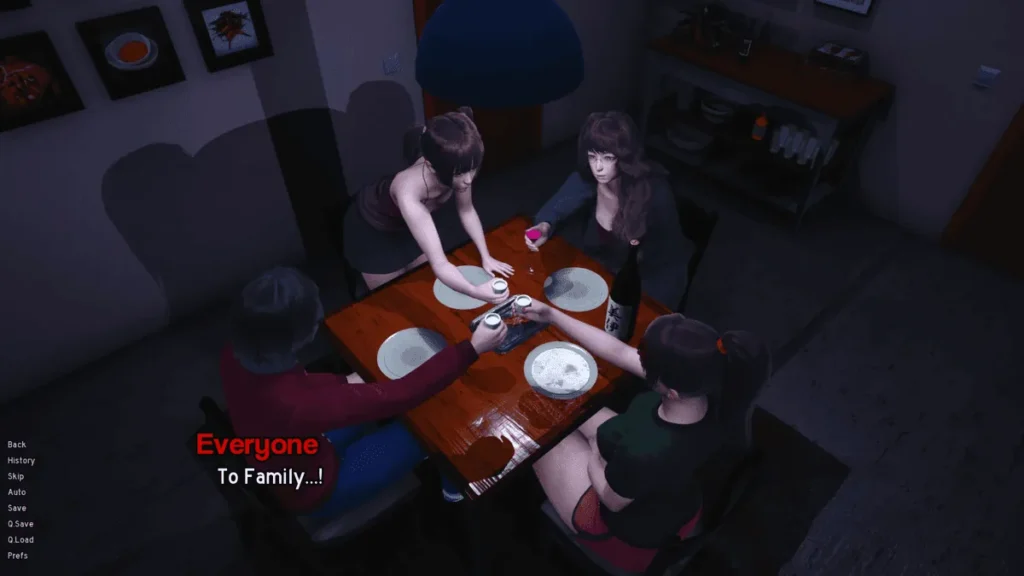
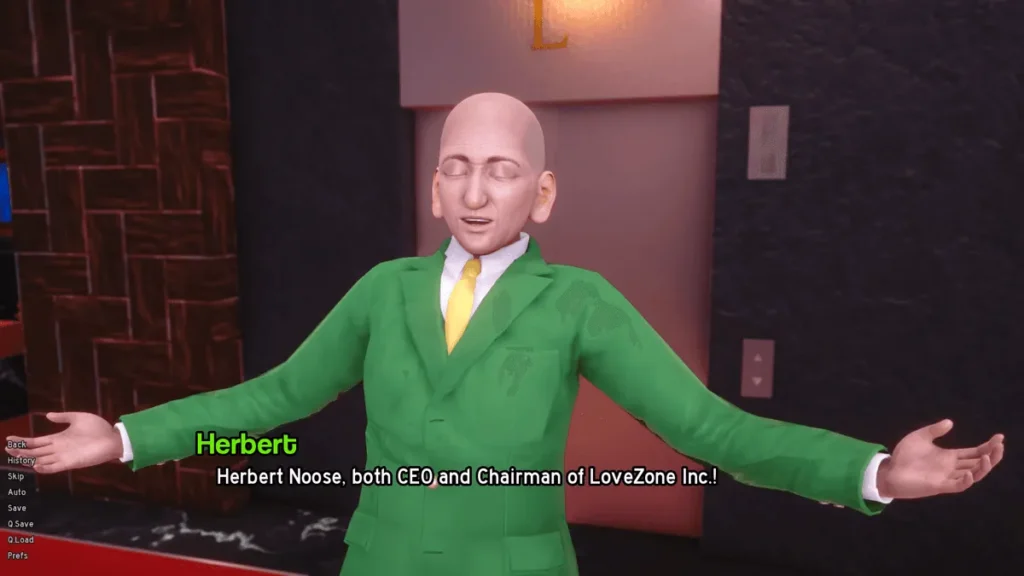
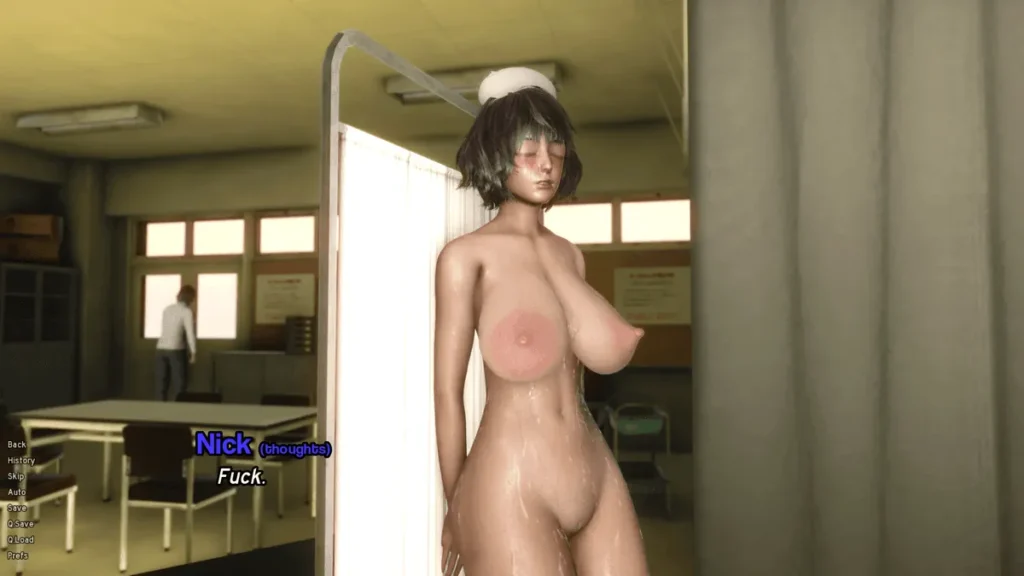
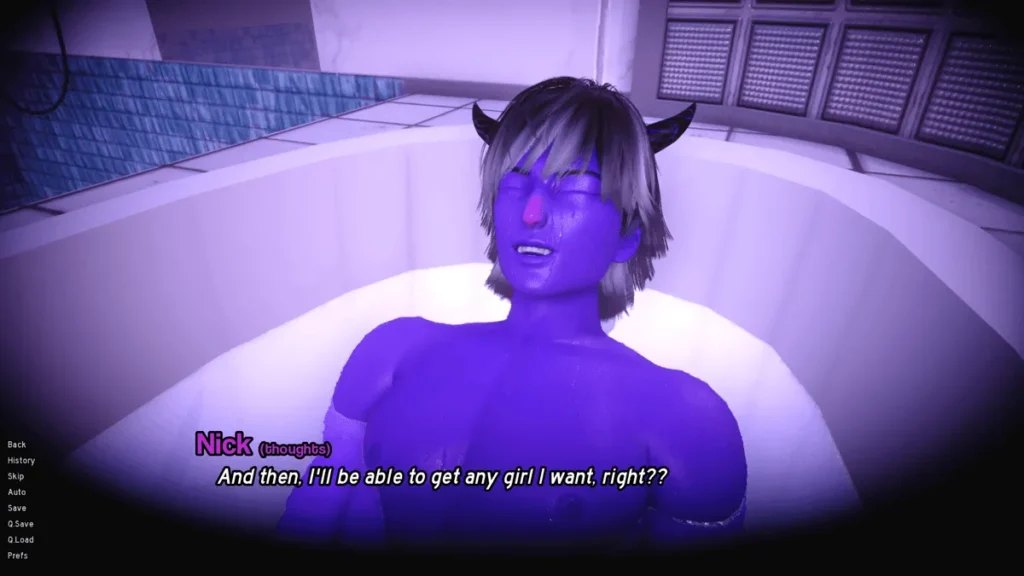
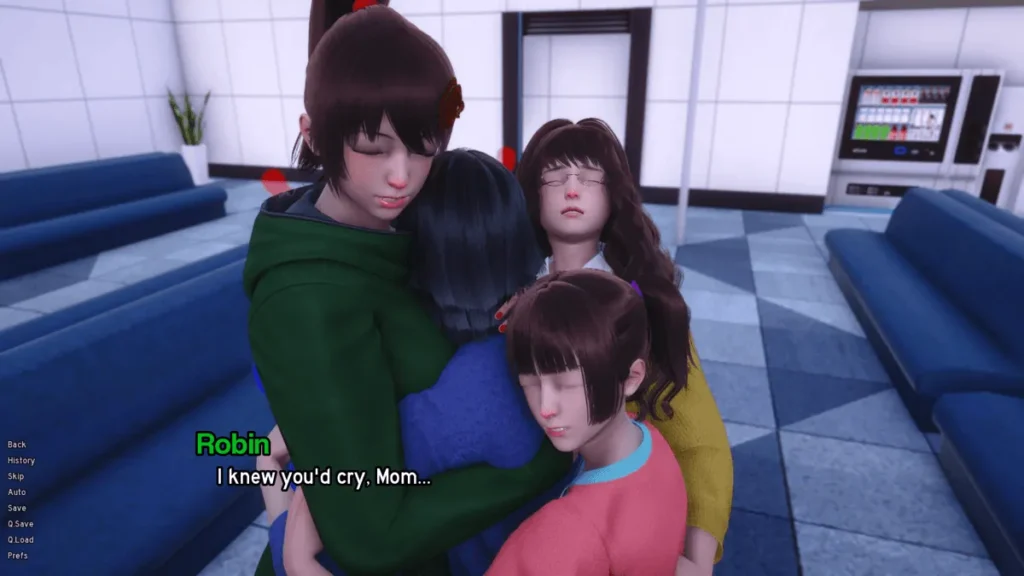
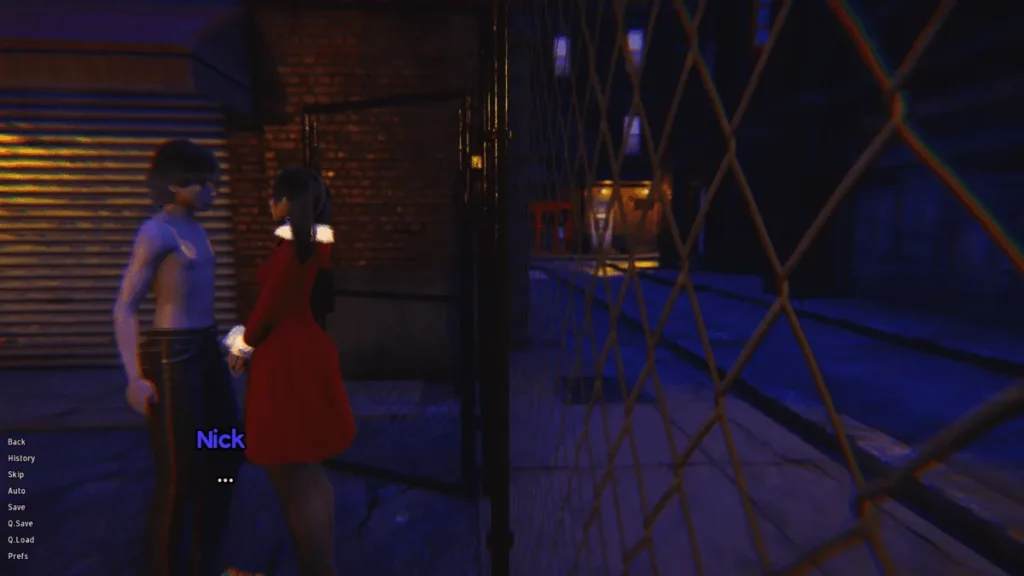
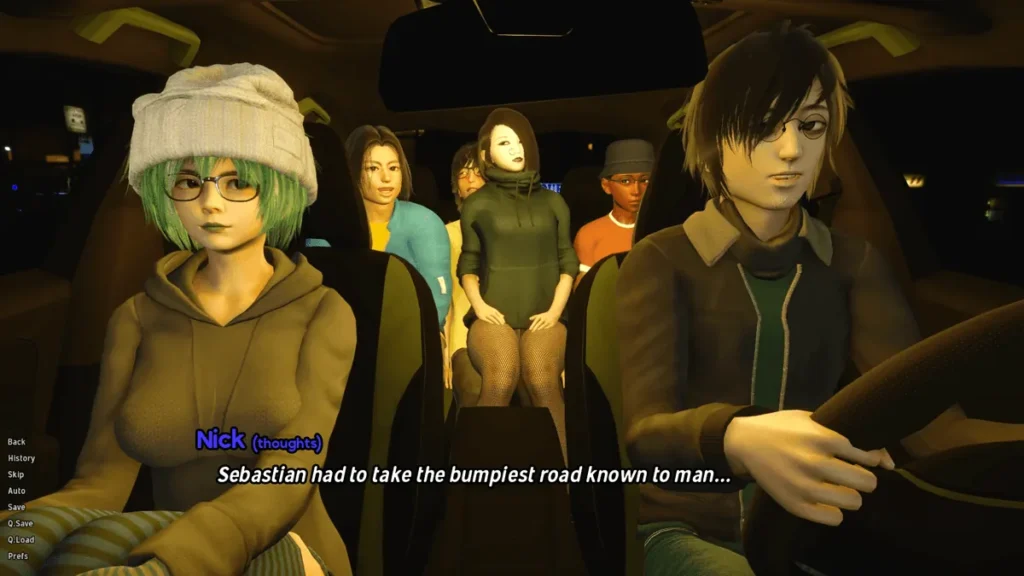
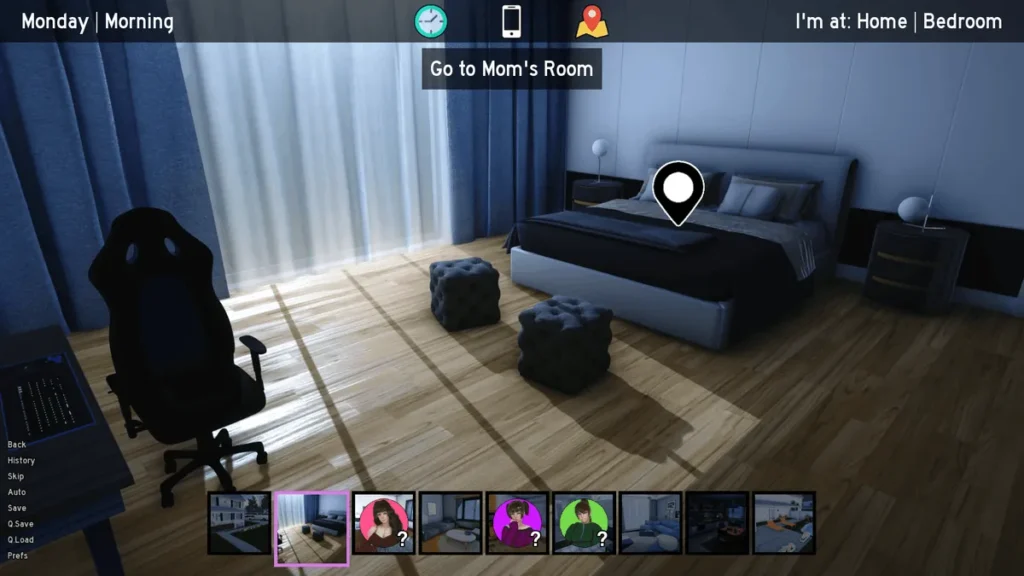
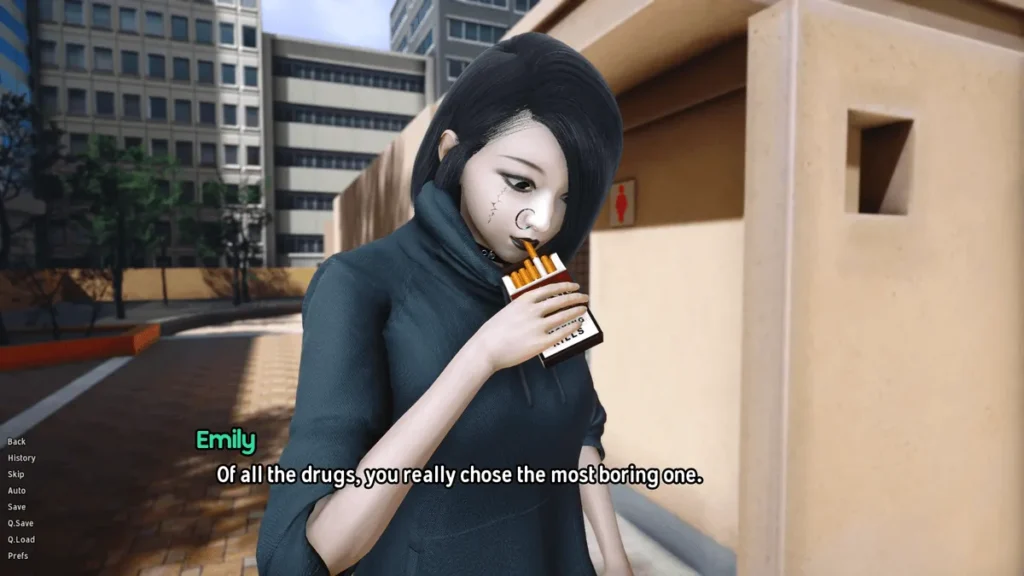
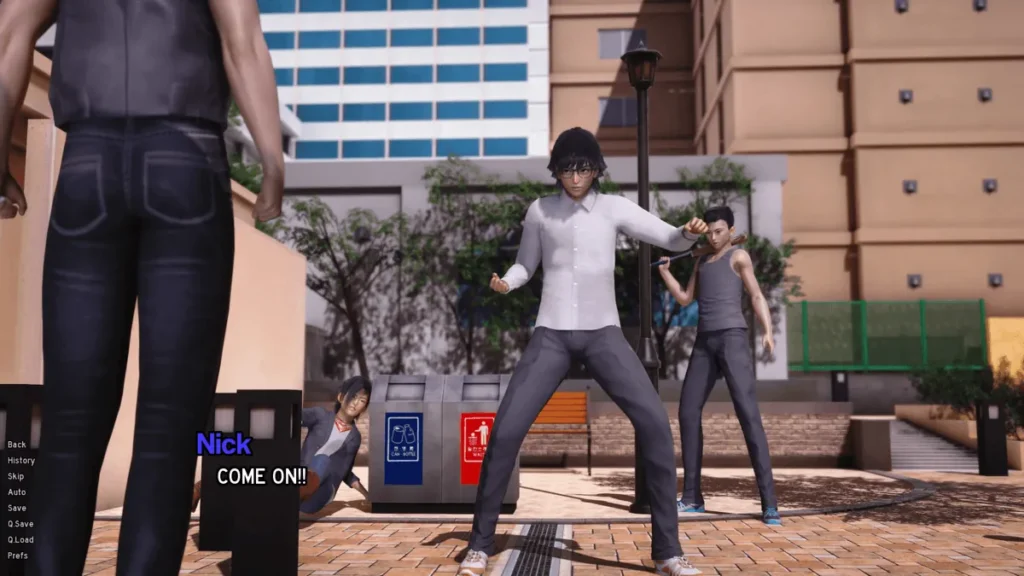

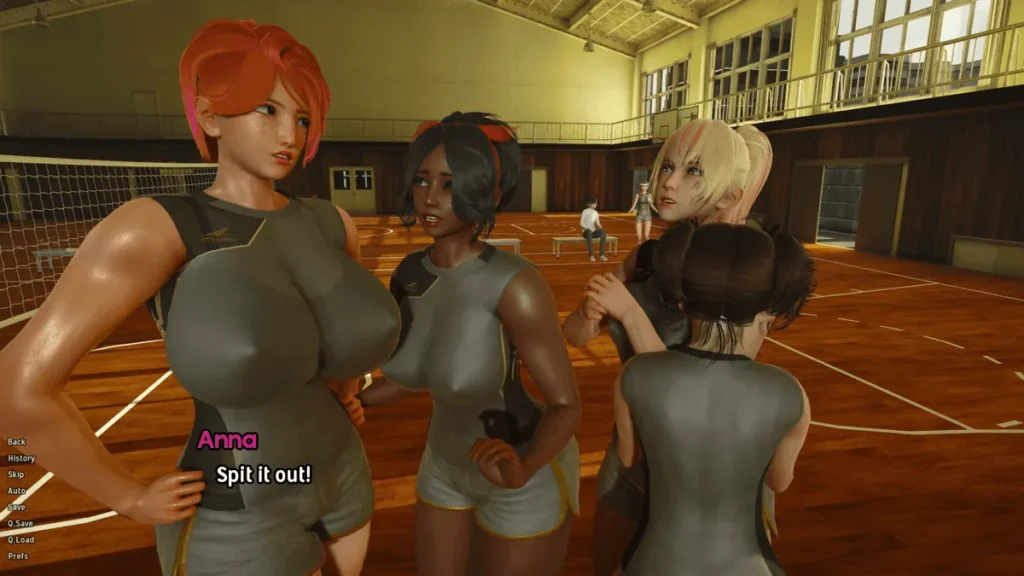
The Sin Within review
Exploring gameplay mechanics, narrative elements, and player experience in this indie title
The Sin Within has emerged as a notable indie game that combines narrative-driven storytelling with interactive gameplay elements. This comprehensive guide explores what makes this title unique, from its design philosophy to player reception. Whether you’re a seasoned gamer curious about indie releases or someone interested in understanding the game’s mechanics and content, this article provides an in-depth look at what The Sin Within offers. We’ll examine the game’s structure, gameplay systems, narrative approach, and what players should expect when diving into this experience.
Understanding The Sin Within: Game Overview and Core Mechanics
Ever been halfway through a game and realized your choices don’t really matter? That you’re just a passenger on a rigidly scripted ride? 🙄 I remember playing a big-budget title recently where I spent twenty minutes agonizing over a dialogue option, only for the story to barrel forward exactly the same way regardless. It felt hollow. That’s exactly the fatigue that makes a game like The Sin Within feel like a revelation. This isn’t just another indie horror-adventure; it’s a masterclass in interactive storytelling gameplay where every whispered decision, every ignored plea, and every discovered secret genuinely rewrites the tale.
So, what is The Sin Within about? At its core, it’s a psychological horror experience built on a foundation of unsettling intimacy and profound consequence. You aren’t saving the world; you’re navigating the crumbling psyche of a person haunted by a past that is, quite literally, a house. The The Sin Within game overview begins with a simple, yet devastating premise: you are a “Resolver,” tasked with entering the manifested memories of clients to confront and cleanse the traumatic events that have physically manifested as a corrupted space. Your latest job? The decaying Blackwood Manor, a place where the walls bleed memories and the floors groan with regret. 🏚️
What is The Sin Within: Game Concept and Design Philosophy
The genius of The Sin Within lies in its elegant, focused design philosophy. While AAA games often shout with set-piece explosions, this title chooses to whisper with environmental dread and psychological unease. The developers clearly asked: “What if the environment was the character? What if progression wasn’t about unlocking a bigger gun, but about understanding a deeper truth?” 🧠
This philosophy births a world where every dusty photograph, every looped echo of an argument, and every shifting corridor is a piece of a fragile, haunted human soul. The goal isn’t merely to escape, but to comprehend. You are an archaeologist of pain, and the mansion is your dig site. This approach to indie game narrative design prioritizes depth over breadth, ensuring that every element you interact with serves the dual purpose of world-building and emotional payload.
To give you a quick, handy reference, here’s a breakdown of the game’s vital stats:
| Category | Details |
|---|---|
| Platforms | PC (Steam), PlayStation 5, Xbox Series X/S |
| File Size | Approximately 8 GB |
| Estimated Playtime (First Run) | 6-8 hours |
| Content Rating / Warnings | Mature for Strong Language, Psychological Horror, Violence, and Themes of Trauma and Suicide |
| Key System Requirement (PC) | Requires a GPU that supports ray tracing for full atmospheric effect |
This concise scope is deliberate. The experience is crafted to be dense, impactful, and—crucially—replayable. Your first 6-hour journey through Blackwood Manor will be profoundly different from your second, because you will be different. The choices you internalize from one run directly inform the possibilities of the next. This isn’t a game you simply finish; it’s one you study, and that is the heart of its design.
Gameplay Mechanics and Interactive Systems
If the narrative is the soul of The Sin Within, then its gameplay mechanics are the central nervous system. This is where the theoretical “player choice” becomes a tangible, often stressful, reality. Forget skill trees and experience points; your game progression systems here are entirely knowledge-based and moral.
You progress by understanding, and you interact by influencing. Let’s break down the key interactive systems:
- The Resonance Scanner: Your primary tool isn’t a weapon; it’s a handheld device that reads “emotional resonance.” You point it at objects, walls, or even empty space to hear fragmented memories, see ghostly echoes of past events, or detect the hidden emotional charge of a room. 🔍 Finding and piecing together these echoes is the core puzzle loop.
- The Moral Calculus (Choice System): Dialogue choices are replaced with interactive storytelling gameplay moments called “Confrontations.” Here, you witness a key memory and must choose how to intervene—or whether to intervene at all. Do you comfort a crying child, or force them to face a harsh truth? Do you expose a lie, or let it fester to avoid greater immediate harm? The game doesn’t use a visible morality bar; the consequences unfold organically, sometimes hours later.
- Environmental Narrative as Puzzle: The mansion itself is the puzzle. A locked door might only open if you first reconcile the argument that happened in the adjacent room, changing the memory and thus the physical state of the door. Progress is gated by emotional resolution, not by finding a key.
- The Paranoia System: A subtle, brilliant mechanic where the game tracks your investigation style. If you obsessively scan every inch of a room associated with a character’s guilt, you might inadvertently strengthen that guilt’s manifestation, making later sections more dangerous. Your curiosity has a cost.
This seamless blend is what defines The Sin Within game mechanics. You’re never just “playing”; you’re constantly analyzing, judging, and projecting. I recall one playthrough where I chose to bury a painful truth to protect a memory of a character. I felt relieved in the moment. Two hours later, that buried truth had festered and mutated, spawning a new, more aggressive type of “memory phantom” that stalked me in the halls. The player choice and consequences weren’t just narrative; they directly altered the gameplay mechanics and my strategic approach. It was a punishing, brilliant reminder that in The Sin Within, there are no “right” answers, only different shades of consequence.
Narrative Structure and Storytelling Approach
The narrative structure of The Sin Within is its crowning achievement and the clearest example of ambitious indie game narrative design. It rejects the traditional three-act Hollywood structure for something more fluid and terrifying: a looping, reactive web.
The story of Blackwood Manor isn’t told to you; it’s reconstructed by you. You begin in media res, surrounded by the aftermath, and must piece together the “why” and “how.” The genius is that the plot points (the death, the betrayal, the secret) aren’t fixed. Their order, their context, and even their perpetrator can change based on the evidence you prioritize and the confrontations you resolve.
“The story adapts to your curiosity, not the other way around. If you become fixated on a side character’s motive, the game will feed you more about them, potentially revealing they had a much larger role than you initially thought.”
This is achieved through a few key techniques:
- Modular Memory Nodes: Think of the story as a galaxy of interconnected memory fragments. You can jump between different timelines and perspectives of the same event. Seeing an argument from the husband’s perspective first will give you a different understanding than if you had first seen it from the wife’s. Your path through these nodes creates your unique version of the truth.
- Character Development Through Environment: You never have a long, expository chat with the ghosts of Blackwood. Instead, you learn about them by the books on their nightstand, the half-finished letters in their desk, the music left playing on a loop in the parlor. This environmental narrative demands attention and rewards observation, making every discovery feel earned and personal.
- Thematic Pervasiveness: The themes of guilt, repression, and the futility of hiding from our past are baked into every mechanic. A locked drawer represents a repressed memory. A repeating corridor symbolizes avoidance. The interactive storytelling gameplay ensures you don’t just hear about these themes; you perform them.
Your first run will answer the question “what is The Sin Within about?” in one way—perhaps it’s a story about marital betrayal. A second run, guided by different choices, might reveal it to be a story about parental failure. The “true” story is the sum of all possible stories, and that is what drives the incredible replayability. The pacing is deliberately slow, a psychological drip-feed of unease, punctuated by moments of sheer visceral horror that feel earned because you understood the dread leading up to them.
In conclusion, The Sin Within is more than a game; it’s an experiential argument for the power of focused, player-driven narrative. Its game progression systems tied to understanding, its gameplay mechanics that weaponize choice, and its radical indie game narrative design coalesce into something uniquely stressful and unforgettable. It proves that the deepest horrors aren’t found in monsters, but in the quiet, terrible weight of the choices we make and the truths we choose to see. If you’re ready to trade spectacle for substance, and to have your decisions look back at you from the shadows of a haunted house, then your appointment at Blackwood Manor awaits. Just remember: in this game, you don’t find the ending. You build it, one fractured memory at a time.
The Sin Within represents an interesting entry in the indie game landscape, offering a narrative-focused experience with distinctive design choices. The game combines interactive storytelling with mature themes, creating an experience that appeals to players seeking something different from mainstream titles. While the game has garnered attention for its unique approach to content presentation and player agency, it’s important to understand what to expect before diving in. The community’s response reflects both appreciation for its bold creative direction and constructive criticism regarding pacing and content implementation. Whether The Sin Within is right for you depends on your preferences for indie games, comfort with mature themes, and interest in narrative-driven experiences. For those curious about exploring innovative indie titles that push creative boundaries, The Sin Within offers a distinctive experience worth considering.