The Theater of Sinners
Play The Theater of Sinners
The Theater of Sinners Screenshots
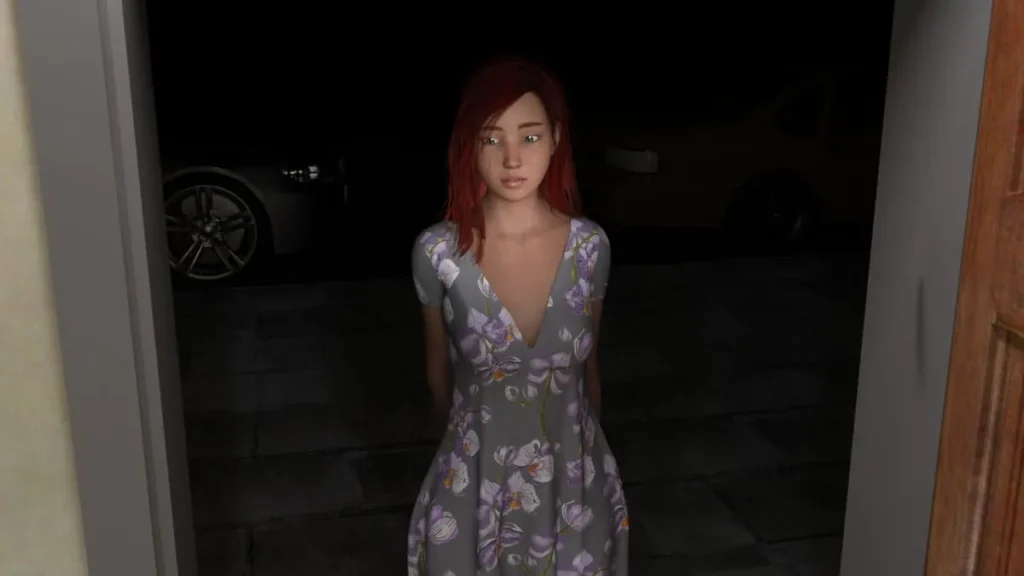



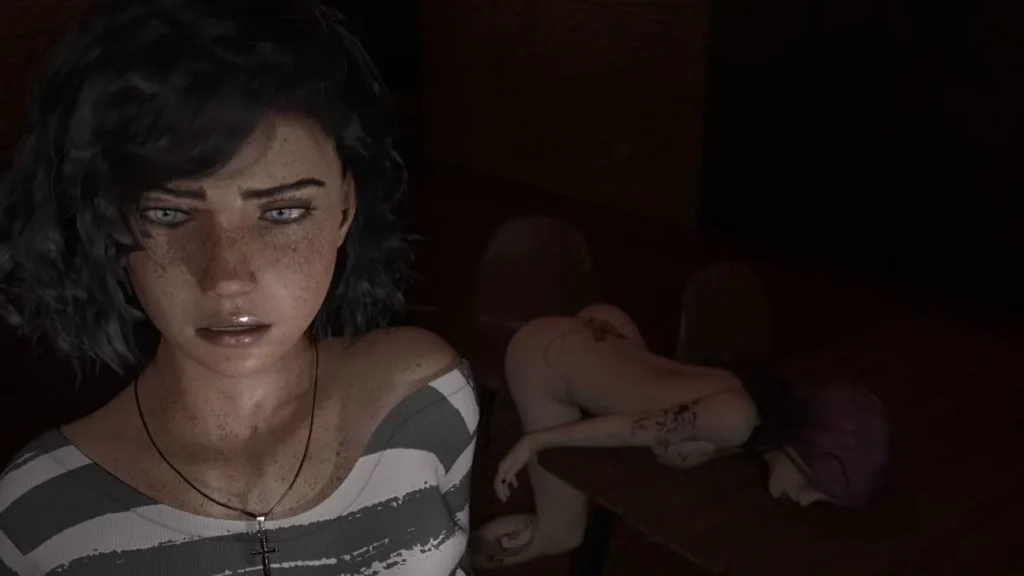








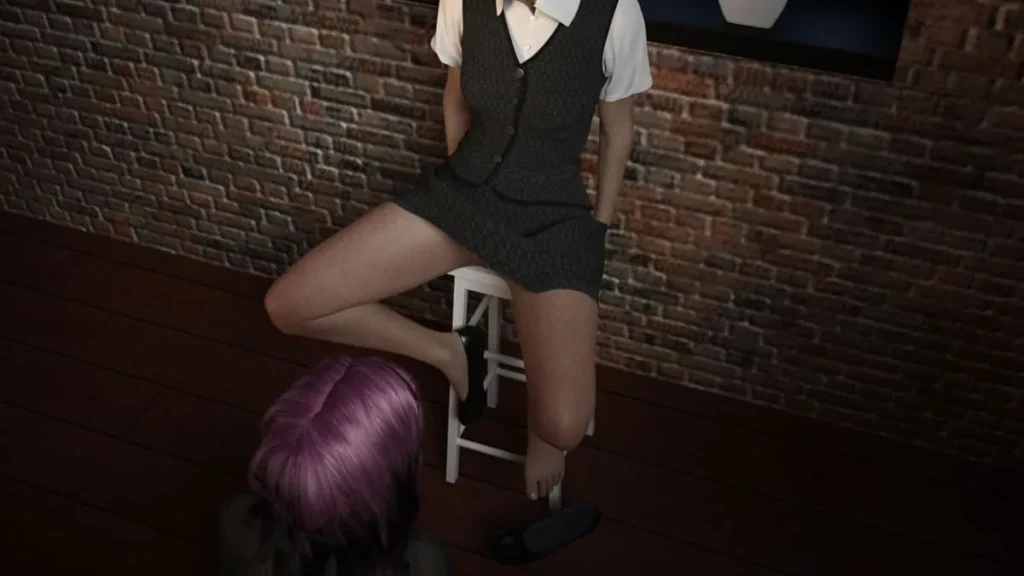

The Theater of Sinners review
Explore storylines, characters, and gameplay mechanics in this immersive adult narrative experience
The Theater of Sinners stands as a distinctive entry in narrative-driven adult gaming, offering players an intricate blend of storytelling, character development, and interactive choice-making. This game creates an immersive experience where players navigate complex relationships and moral decisions within a richly detailed setting. Whether you’re new to the title or looking to deepen your understanding of its mechanics and narrative depth, this guide provides essential insights into what makes The Theater of Sinners a compelling gaming experience. Discover how the game balances narrative complexity with player agency, creating memorable moments through meaningful choices and character interactions.
Understanding The Theater of Sinners: Core Gameplay and Narrative Framework
What Makes The Theater of Sinners Unique in Adult Gaming
Let’s be honest, when you hear “adult game,” your mind probably goes to a certain place. I’ve played my fair share of them, and most are about as deep as a puddle. 🎭 The Theater of Sinners is a different beast entirely. It’s not just an adult game; it’s a psychological drama that uses mature themes to explore the darkest corners of human desire and morality. What truly sets it apart is its uncompromising focus on narrative depth. This isn’t a game where the story is a flimsy excuse for the action; the story is the action.
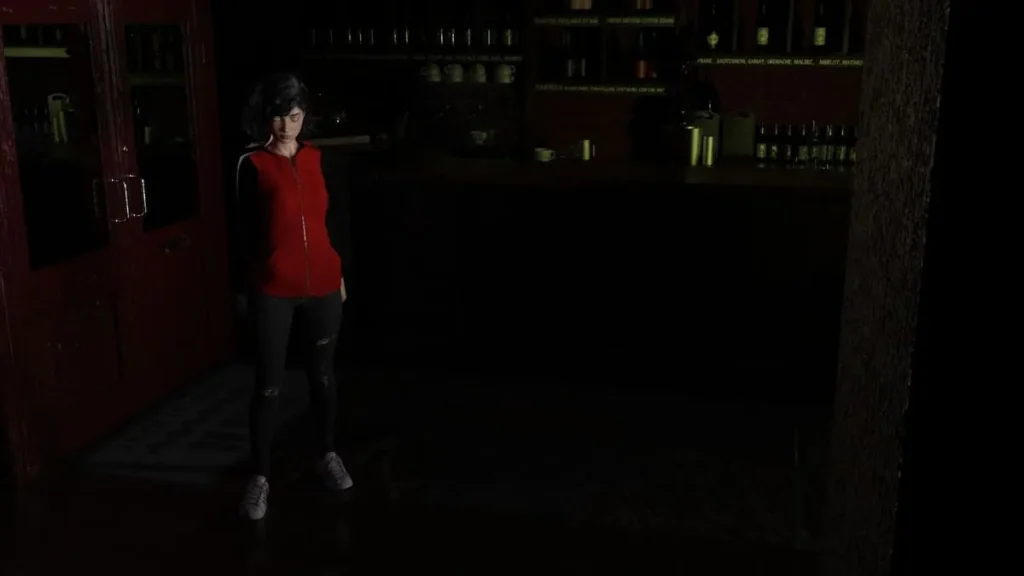
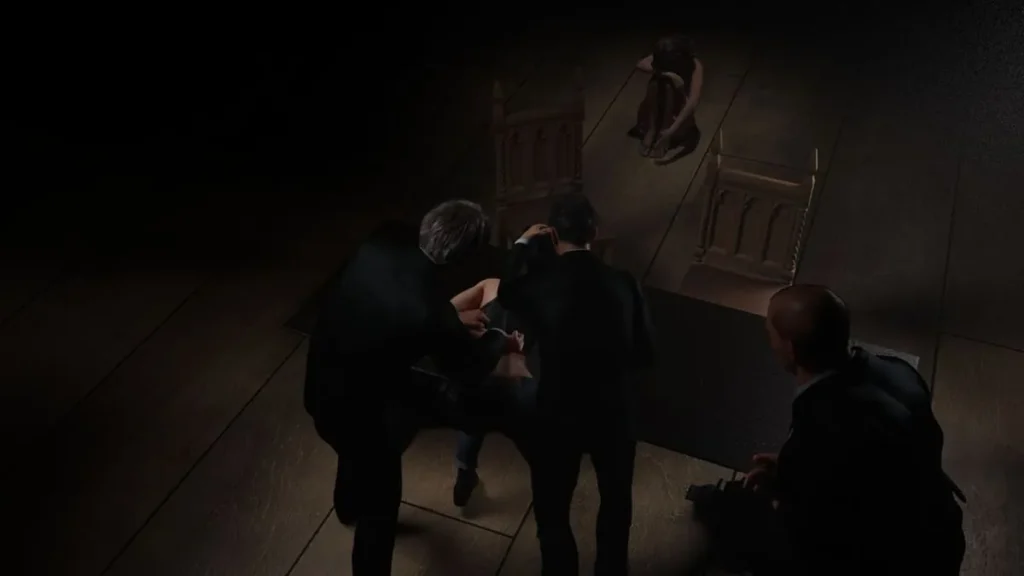
I remember starting my first playthrough, expecting one thing and getting something completely different. I was immediately pulled into a world of gothic intrigue and complex characters who felt real, flawed, and desperately human. The mature content isn’t gratuitous; it’s woven directly into the character arcs and the central mystery. The game asks you difficult questions about sin, redemption, and the masks we all wear. This immersive adult narrative experience is less about titillation and more about a profound, often unsettling, connection with its cast. It’s a choice-based storytelling game that respects your intelligence and isn’t afraid to make you sit with the consequences of your decisions long after you’ve closed the game. 😈
Core Gameplay Mechanics and Player Interaction Systems
At its heart, The Theater of Sinners gameplay is an elegant dance of decision-making. You are the director of your own tragedy, and every choice is a note in the symphony. The primary way you interact with the world is through its dialogue system. You’re not just picking nice or mean responses; you’re navigating a minefield of subtext, manipulation, and raw emotion. The options are often ambiguous, forcing you to think about the character’s personality and your own goals.
The true masterpiece of its design is the character relationship system. Every major character has a hidden relationship meter that tracks your standing with them across multiple axes—Trust, Affection, Fear, and Resentment. Your choices in conversation, the secrets you keep or share, and even the order in which you pursue story threads will shift these values. I learned this the hard way when I tried to play both sides between the brooding playwright, Julian, and the enigmatic lead actress, Elara. I thought I was being clever, but the game remembered every half-truth, and it all came crashing down in a spectacularly dramatic third act. Your relationships are the engine that drives The Theater of Sinners story forward. ❤️🔥
The game’s branching narrative paths are governed by a sophisticated decision tree. It’s not just about one big choice; it’s about hundreds of small ones that compound. The game flags these decisions, and you can often feel the narrative pivot based on a seemingly innocuous comment you made hours earlier. This creates a truly dynamic and personal journey.
Here’s a breakdown of how the core mechanics directly influence your story:
| Gameplay Mechanic | Primary Function | Impact on Story Outcome |
|---|---|---|
| Dialogue Choices | Shape your protagonist’s personality and influence immediate character reactions. | Locks or unlocks specific conversation branches and potential alliances later in the game. |
| Relationship Values | Tracks your standing with each character across hidden metrics like Trust and Affection. | Determines which character arcs are available, the nature of confrontations, and which endings you can access. |
| Key Decision Flags | Marks critical narrative choices that significantly alter the plot’s direction. | Creates major branching points, leading to entirely different acts, revelations, and finales. |
| Exploration & Item Interaction | Allows you to discover letters, artifacts, and environmental clues. | Provides context, unlocks special dialogue options, and can be used as evidence to confront other characters. |
This intricate web of systems ensures that The Theater of Sinners gameplay is always engaging. You’re not just reading a story; you are actively building it, brick by painful brick. The adult narrative game mechanics are perfectly tuned to make you feel the weight of every single interaction. ⚖️
Narrative Structure and Story Progression
The narrative structure of The Theater of Sinners is a thing of beauty, unfolding like a classic play divided into three distinct acts. This isn’t a linear march from A to B; it’s a sprawling web of branching narrative paths that ensure no two playthroughs are ever the same. The game masterfully controls the pacing, slowly feeding you crumbs of information that build into shocking revelations.
Act I is all about introduction and infiltration. You arrive at the crumbling, opulent theater and meet the troupe. The game encourages you to explore, talk to everyone, and establish your initial bonds. The atmosphere is thick with tension and unspoken history. Act II is where your relationships are tested, secrets begin to surface, and the central conflict ignites. This is where the consequences of your early choices start to become painfully clear. Act III is the grand finale, where all threads converge, and your accumulated decisions dictate the fate of every character and the theater itself.
Pro Tip: Pay close attention during the first act. A seemingly small choice, like whether you comfort a distraught stagehand or investigate a suspicious noise alone, can radically alter which storyline branches are available to you hours later.
Let me give you a concrete example from my own experience. Early in my second playthrough, I had the option to cover for Cassius, the temperamental set designer, when he was caught stealing props. I decided to lie for him, earning a significant boost in his Trust meter. I didn’t think much of it at the time. Fast forward to Act III, when a crucial piece of evidence goes missing. Because of that earlier choice, Cassius was not only loyal to me but provided me with a forged document that completely shifted the blame onto another character, allowing me to expose the true villain and unlock an ending I didn’t even know existed. This is the power of its interactive story game design. Your choices aren’t just remembered; they actively reshape the world. 🕵️♀️
The replay value is, without exaggeration, immense. With multiple core storylines to uncover and dozens of endings—ranging from bittersweet solitudes to triumphant partnerships to utter damnation—you are compelled to go back and explore every possibility. The game’s journal feature, which tracks the decisions you’ve made and the paths you’ve unlocked, is a brilliant addition that encourages this experimentation. You’ll constantly be wondering, “What if I had said this?” or “What if I had trusted that person?” This is the hallmark of a masterful choice-based storytelling game. It makes you an active participant in its dark and captivating theater, and the performance is always different, always personal, and always unforgettable. 🎪✨
The Theater of Sinners delivers a sophisticated gaming experience that prioritizes narrative depth and player agency. By combining intricate storytelling with meaningful choice systems, the game creates an environment where every decision carries weight and consequence. The character-driven approach ensures that players become invested in relationships and outcomes, making each playthrough feel personal and impactful. Whether you’re drawn to complex narratives, character development, or the freedom to shape your own story, The Theater of Sinners offers a compelling experience that rewards exploration and experimentation. Understanding the game’s mechanics and narrative framework allows you to fully appreciate the depth of storytelling and make choices that resonate with your preferred playstyle. Dive into the game with these insights to unlock the full potential of your experience.