
Time Implosion
Play Time Implosion
Time Implosion Screenshots




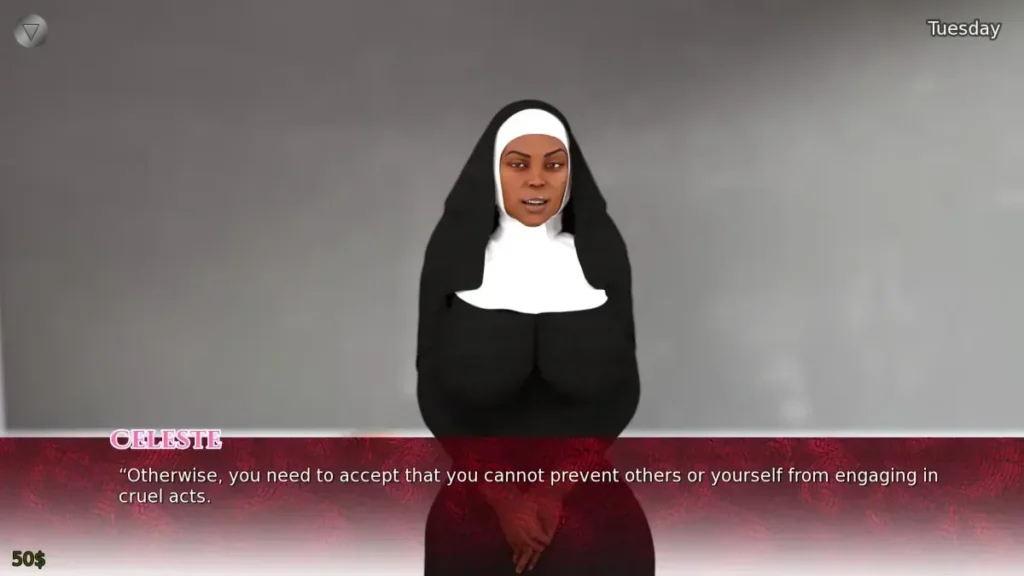






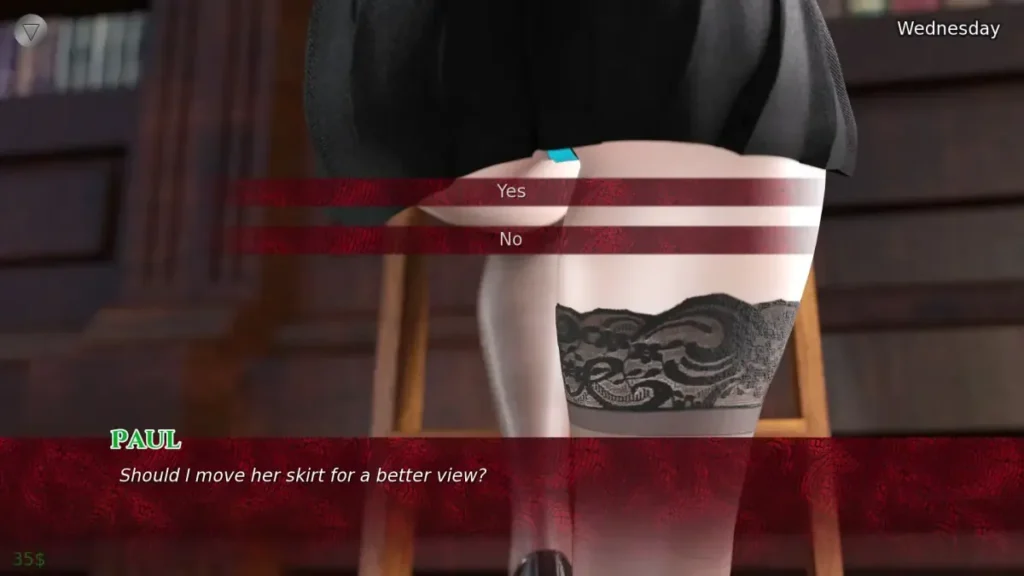





Time Implosion review
Master every route, unlock all endings, and maximize your gameplay experience
Time Implosion stands out as a complex narrative-driven experience that challenges players to navigate multiple character routes and unlock hidden content through strategic decision-making. Whether you’re a newcomer trying to understand the core mechanics or a veteran seeking to complete every route, this guide covers everything you need to know about progression systems, character interactions, and route-specific strategies. Understanding how tension mechanics work and when to advance through different steps will transform your gameplay from frustrating to rewarding.
Understanding Time Implosion Mechanics and Progression Systems
Ever feel like you’re running in circles in Time Implosion, doing the same thing over and over with no clear direction? 😵 I sure did during my first playthrough. I spent what felt like an eternity trying to befriend the stoic guard captain, only to hit a wall and get a generic, unsatisfying ending. It was frustrating! But then I had my “aha!” moment, and it completely transformed my experience. The secret sauce isn’t just about making choices; it’s about understanding the Time Implosion progression system, a brilliant and intricate clockwork that drives everything forward. 🕰️ This guide will pull back the curtain, giving you the master key to navigate every route and unlock every secret the game has to offer.
How the Tension System Works in Time Implosion
At the very heart of the Time Implosion progression system is the tension mechanics gameplay. Think of Tension as the invisible fuel that powers your journey through the timelines. It’s not a resource you collect like coins or items; it’s an atmospheric pressure that builds with your actions. Every conversation, every location you visit, and every small choice you make contributes to this invisible meter. 🔮
The golden rule I learned the hard way is this: you cannot advance to the next major story beat until you have maximized the Tension in your current one. This is where the core step repetition strategy comes into play. You will often need to repeat an action or a conversation multiple times. The game typically follows one of two patterns: either you need exactly three repetitions, or you must continue until you get a distinct message or observe that no more Tension is being generated. I remember trying to get on the inventor’s good side; I had to compliment her latest gadget four separate times before she finally sighed and said, “Okay, fine, you’ve made your point. What do you really want to know?” That was my signal—the Tension had peaked.
Here’s a practical example of how this tension mechanics gameplay plays out:
- Scenario: You’re in the palace gardens with a character.
- Action 1 (First Visit): You comment on the rare black roses. Tension +1. The character gives a short, polite reply.
- Action 2 (Second Visit): You comment on the roses again. Tension +1. The character elaborates slightly, mentioning the gardener who cultivates them.
- Action 3 (Third Visit): You comment on the roses a third time. Tension +1. The character now says, “You seem quite taken with these flowers. They were a gift from… well, that’s a story for another time.” The dialogue option to comment on the roses then disappears or grays out.
That disappearance is your green light! 🟢 The step repetition strategy has paid off, and you’ve successfully “filled the Tension bar” for that specific interaction. Now, the story can progress. Forcing advancement before this point will often lock you out of deeper content.
To help visualize how this system branches into different stories, here’s a breakdown of some key character paths:
| Character Route | Progression Requirement | Key Decision Points |
|---|---|---|
| The Guardian’s Loyalty | Maximize Tension in 3 separate sparring sessions at the training grounds. | Choosing to take a blow to protect them; Revealing a secret about the royal family. |
| The Inventor’s Trust | Successfully repeat the “assist with experiments” step 4 times until a minor explosion occurs. | Deciding to hide a failed experiment from the council; Offering your own resources to fund her work. |
| The Spy’s Alliance | Find and exchange information at the midnight market 3 times, exhausting all gossip options each time. | Agreeing to plant misinformation; Confronting them about their true allegiance. |
Mastering Route Progression and Step Advancement
So, you understand Tension, but how do you actually move forward? Character route advancement is a delicate dance between patience and perception. 🕺 The game is constantly asking you: “Have you squeezed every last drop of potential from this moment?” My biggest early mistake was rushing. I’d see a new story flag and charge toward it, only to find my options were limited later because I hadn’t built a strong enough foundation in previous steps.
The key is to treat each “step” or scene as a self-contained puzzle. Your goal is to solve it by achieving Tension saturation. Here’s my personal checklist for knowing when a step is fully exhausted and you’re ready for character route advancement:
- Dialogue Loops: All unique dialogue options for a character in that location are grayed out or have been used.
- Action Repetition: Performing an action (like examining an object) no longer yields new text or a Tension increase.
- Location Shift: The character themselves suggests moving to a new area or starts a completely new, previously unavailable conversation topic.
- The Music Cues: 🎶 Pay attention! The background music often swells or changes subtly when a story beat is completed.
This is where a solid step repetition strategy becomes your best friend. Don’t view repetition as a grind; view it as deepening your connection to the narrative and the world. Each repeated action is another turn of the key, winding the clockwork of the plot just a little tighter. When you master this, the Time Implosion progression system transforms from a mystery into a powerful tool you can wield with intention.
Pro Tip: Keep a mental (or even physical) note of which actions you’ve repeated twice. On the third attempt, pay very close attention. If something new happens, you’ve hit the cap. If not, you may need a fourth or even fifth repetition—keep going until the game clearly tells you to stop!
FAQ: Step Advancement and Tension
How do I know for sure when to stop repeating a step and advance?
Look for the “exhaustion signal.” This is usually a line of dialogue that feels like a conclusion, the disappearance of the interaction prompt, or the character explicitly changing the subject to something new. If you’re unsure, try advancing. If the next step feels shallow or you’re immediately blocked, you likely need to go back and repeat a few more times.
What’s the biggest mistake players make with the tension system?
Impatience! ⏳ The most common error is assuming that seeing all the dialogue options once is enough. It almost never is. The real story depth is hidden behind those second, third, and sometimes fourth repetitions. Embrace the loop—it’s the core of the game’s design.
Can I max out Tension too much and break a route?
No, and this is the beauty of the system. Once a step is saturated, the game will not allow you to generate more Tension from it. You cannot “overwind” the clock. The system is designed to prevent soft locks, so when a step is done, it’s done.
Character Interaction Mechanics and Decision Points
Now for the really fun part: the people. The relationship opinion system in Time Implosion is a living, breathing entity that reacts to your every move. It’s not just about being “nice” or “mean”; it’s about demonstrating values, showing loyalty, and uncovering truths that align with a character’s core beliefs. Your standing with each character is a hidden variable that directly gates your access to different routes. 🔑
This is all governed by Time Implosion decision points. These are the critical, often irreversible choices scattered throughout your journey. They are the forks in the temporal road. Unlike the minor choices that build Tension, these decisions have permanent consequences for your character route advancement. I still remember my first major decision point: catching the spy rifling through the royal archives. I had the choice to expose them immediately or to quietly confront them alone. That single choice split my entire timeline, leading me down a path of political intrigue I didn’t even know existed.
The relationship opinion system is what makes these decisions so weighty. Every major choice is filtered through the pre-existing opinions characters have of you. That same decision to confront the spy alone will play out very differently if the spy sees you as a trusted confidant versus a potential threat. A high opinion might lead them to confess their motives, unlocking their personal route. A low opinion might lead to a fight and an early game over. 🎯
So, how do you influence this system to master how to unlock routes Time Implosion? It’s a combination of three things:
- Location-Based Timing: 🗺️ Characters have schedules. The inventor is more receptive to deep conversations in her lab at night, while the guard captain might be all business during the day at his post. Interacting with them in the right place at the right time can give a massive boost to your relationship opinion.
- Consistency in Minor Choices: Your small actions add up. Always offering to help, or always prioritizing the kingdom’s safety, builds a consistent profile. Characters notice patterns, and this consistency is key to unlocking their trust—and their routes.
- The Major Decision Points: This is where you cash in all the trust and Tension you’ve built. When you reach a Time Implosion decision point, the game evaluates your entire history with the involved characters. The options available to you, and the outcomes of your choice, are a direct result of the foundation you’ve been building all along.
Understanding that the relationship opinion system and the tension mechanics gameplay are two sides of the same coin is the final piece of the puzzle. The Tension system gives you the opportunity to advance, while the Relationship system determines where you can advance to. By mastering both—by knowing when to repeat a step to build tension and how to make choices that build relationships—you gain absolute control over the timelines. You’re no longer a passenger in the story of Time Implosion; you are its architect. 🏛️
Time Implosion rewards players who take time to understand its mechanics and plan their approach strategically. By mastering the tension system, recognizing how decisions branch the narrative, and optimizing your route progression, you’ll unlock everything the game has to offer. Whether you’re pursuing a specific character route or attempting to complete all endings, the key lies in understanding when to advance, how choices impact outcomes, and which strategies lead to the most efficient completion. Start with the routes that interest you most, then use your experience to tackle more complex paths. The depth of Time Implosion’s branching narrative ensures that each playthrough offers new discoveries and alternative outcomes to explore.