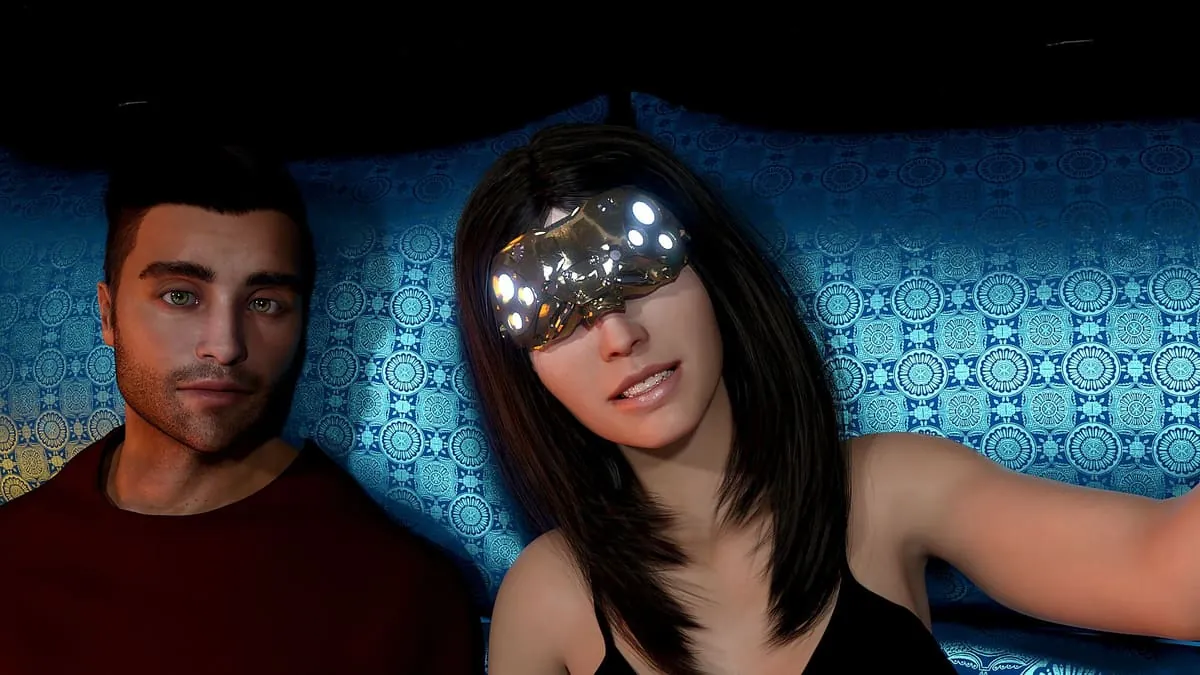
Play Welcome to Free Will
Welcome to Free Will Screenshots


















Welcome to Free Will review
Dive into the immersive world of choices, encounters, and endless replayability
Hey there, ever stumbled upon a game that grabs you by the choices and doesn’t let go? Welcome to Free Will hooked me from the first screen—it’s this gripping visual novel where every decision shapes your path through a gritty, choice-driven adventure packed with intense encounters. I remember my first playthrough; I was up till 3 AM, heart racing as I navigated the branching storylines and steamy interactions. If you’re searching for the full scoop on Welcome to Free Will gameplay, secrets, and strategies, you’re in the right spot. Let’s break it down so you can master it like a pro and uncover every hidden path.
What Makes Welcome to Free Will So Addictive?
I remember the exact moment I realized Welcome to Free Will wasn’t just another game. It was 2 AM, and I was staring at the screen, my cursor hovering over two seemingly simple options: tell a comforting lie or deliver a brutal truth. My coffee was cold, and I had work in a few hours, but I was paralyzed. I’d already played this section twice, and each time, that single decision had spun the story in a wildly different direction. I wasn’t just playing a game; I was living inside a story I was writing with every click. That’s the addictive magic of this experience. It’s not just a game; it’s a choose-your-fate simulator that gets its hooks into you and refuses to let go. 😮
At its heart, the Welcome to Free Will gameplay is deceptively simple. You read, you click, you choose. But beneath that calm surface lies a roaring engine of consequence. Every dialogue option, every action you take—or choose to ignore—ripples outwards, quietly adjusting the trajectory of your tale. You manage your character’s limited time, their dwindling funds, and, most crucially, their web of relationships. Deciding to spend an evening working a late shift might earn you extra cash but could cause a key friendship to sour. This constant, gentle pressure makes every Welcome to Free Will choices feel weighty and personal.
The premise sets the stage perfectly. You step off a bus into a rain-slicked, mysterious town, a stranger with a blank slate. Why are you here? That’s partly up to you. As you navigate the town’s quirky districts and meet its even quirkier inhabitants, you’re presented with moral dilemmas, strange mysteries, and chances at connection. Will you be a hero, a villain, or just someone trying to get by? The game never judges; it only reacts. This is the core of its visual novel branching paths system. There’s no single “right” path, only your path.
How the Choice System Drives Replayability
So, what makes you immediately want to start a new game after the credits roll? It’s the glorious, terrifying freedom. The Welcome to Free Will gameplay loop is built on a “what if?” foundation. The game meticulously tracks a hidden web of variables: affinity scores with characters, key items found, secrets discovered, and even your overall reputation in different parts of town.
Here’s a “what if” from my own playthrough: Early on, I met a reclusive artist. My first instinct was to be polite but distant. I got a short, pleasant scene. On my next run, bursting with curiosity, I chose a more probing, intrusive dialogue branch. He shut down, and I thought that was that. But hours later, because of that single earlier choice, I discovered a hidden side-story where he’d left a crucial clue for me in a place I’d never have looked otherwise. My “bad” choice led to a wild, exclusive twist I’d have completely missed!
This is where the legendary Welcome to Free Will replayability comes from. The game boasts over 20 distinct Welcome to Free Will endings, from triumphant conclusions to tragic downfalls and everything in between. But it’s not just about the destination; it’s about the vastly different journeys. You might finish one playthrough as the town’s beloved benefactor and another as a ghost no one remembers, all based on a chain of decisions you made days ago in the game’s timeline.
The thrill is in the risk—what feels like a ‘bad’ choice often unlocks the most memorable and unique story branches.
Key Story Elements and Branching Paths
While I won’t spoil the grand mysteries, the Welcome to Free Will narrative is built on three pillars that your choices directly influence. Think of them as major story arteries that your decisions help clot or clear.
First, The Central Mystery: Why is the town so strange? Your investigation into this can range from being a dogged detective to a dismissive skeptic, altering what clues you find and who helps you.
Second, Relationship Webs: The townspeople aren’t set dressing. They have their own lives, schedules, and problems. Helping one person might put you at odds with another. Choosing whom to trust—or betray—fundamentally reshapes the story’s social landscape and which visual novel branching paths become available to you.
Third, Personal Development: Is your character driven by truth, money, power, or compassion? The game’s internal “alignment” system shifts based on your consistent behavior, opening up special options and reactions that align with your developed persona.
Here are my top 5 pro tips for beginners diving into this web of stories:
- Prioritize Key Relationships Early 🎯: Focus on 2-3 characters that intrigue you most in your first run. Deep connections often yield richer story threads than shallow interactions with everyone.
- Experiment with Risky Options ⚡️: Don’t just reload after a choice backfires. Sit with the consequence. Some of the game’s best writing is hidden behind seemingly “wrong” decisions.
- Track Your Decisions 📝: Keep a small notepad (digital or physical) of major choices. It helps you plan different paths for future playthroughs.
- Manage Resources, Not Maximize Them ⏳: You can’t do everything. Sometimes, spending your last dollar on a meal with a character is worth more than a fat wallet.
- Talk to Everyone, Again 🔄: Characters have new things to say after major story events. Revisiting locations is a goldmine for new dialogue and clues.
Why Players Keep Coming Back for More
The true genius of Welcome to Free Will is that it makes you care about the story you are creating. You’re not passively watching a plot unfold; you’re an active, responsible architect. This creates a powerful, personal investment. You don’t just want to see another ending; you feel compelled to explore the road not taken, to fix that one mistake, or to see if you can be even more daring.
The Welcome to Free Will replayability is quantified not just in endings, but in the sheer density of unique scenes and interactions. It’s entirely possible for two players to share their experiences and realize their middle acts had almost no overlap. This discovery drives community discussion, guide-writing, and that beautiful phrase: “Wait, that can HAPPEN?”
To master how to play Welcome to Free Will, you must embrace its philosophy: your first playthrough is your story. Don’t spoil it with guides. Save often in different slots, and let your instincts guide you. Then, armed with curiosity, go back and break everything. Be rude. Be reckless. Be a saint. The game is designed to accommodate it all, making the best Welcome to Free Will decisions a deeply personal list that’s different for everyone.
To illustrate how your daily choices shape the world, here’s a breakdown of a typical in-game day’s resource management:
| Resource | How It’s Used | Consequence of Neglect |
|---|---|---|
| Time (Day Segments) | Choosing which location to visit or person to meet. Each action consumes a segment. | Missed events, decaying relationships, unsolved mysteries. |
| Money ($) | Buying food, items, bribing for information, helping others financially. | Inability to access certain areas or options, increased stress for your character. |
| Social Energy (Hidden Stat) | Demanding conversations or stressful events drain this. Quiet activities restore it. | Locked-out dialogue options, negative outcomes in tense situations. |
| Character Affinity | Built through consistent positive interactions and key supportive choices. | Locked story branches, missing backup in crises, hostile encounters. |
Ultimately, the addiction comes from a place of creative ownership. Welcome to Free Will gives you the tools, the setting, and the characters, but you provide the spark. Every playthrough is a new story told in your voice. You keep coming back to answer one simple, irresistible question: “What happens if I do this instead?” 🤔
Frequently Asked Questions
How long is a single playthrough?
Your first, blind playthrough typically takes 8-12 hours. However, because the Welcome to Free Will gameplay encourages exploration and lingering, times can vary wildly. Completionists aiming to see all the visual novel branching paths can easily spend 50+ hours.
Does the game have multiple save slots?
Yes, and this is one of the best Welcome to Free Will decisions you can make: USE THEM. The game offers ample save slots. I recommend saving at the start of each in-game day and before any major choice you’re agonizing over. It lets you explore consequences without losing dozens of hours of progress.
What’s considered the hardest ending to achieve?
Most veterans point to the “True Understanding” ending. It requires a very specific, often counter-intuitive sequence of Welcome to Free Will choices, perfect relationship management with certain characters, and discovering well-hidden secrets without guidance. It’s a badge of honor for dedicated players!
There you have it—your roadmap to conquering Welcome to Free Will, from those heart-pounding choices to unlocking every secret encounter. I dove in skeptical, but emerged obsessed, replaying paths that twisted my expectations and delivered thrills I didn’t see coming. Whether you’re chasing the perfect ending or just exploring the depths, apply these tips, experiment boldly, and let the game’s world pull you in. What’s your first move going to be? Grab the game, hit play, and share your wildest story in the comments—I can’t wait to hear how it goes for you.