
Ecchi Sensei
Play Ecchi Sensei
Ecchi Sensei Screenshots








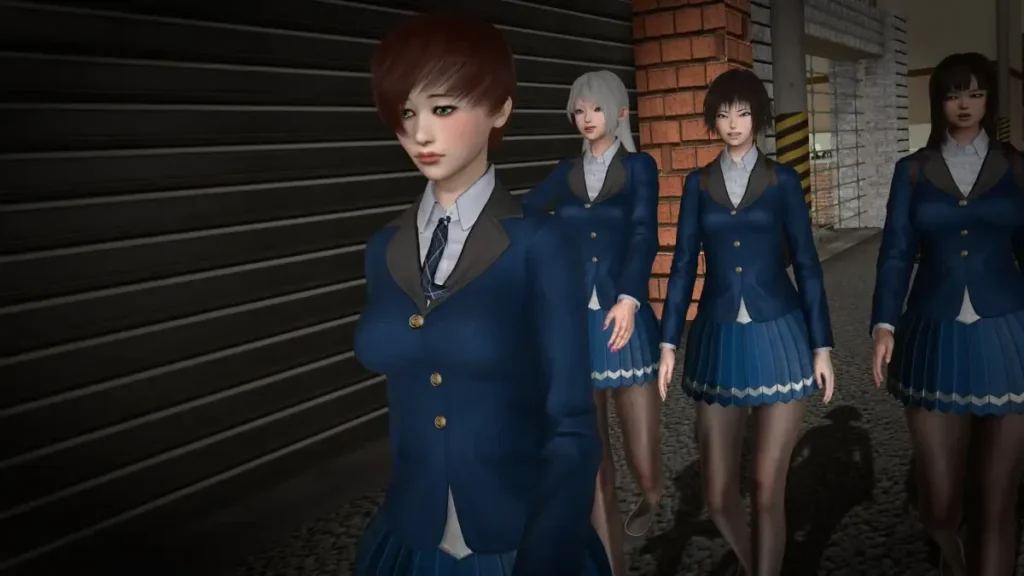



Ecchi Sensei review
Explore the narrative-driven adult visual novel with 50+ characters and branching storylines
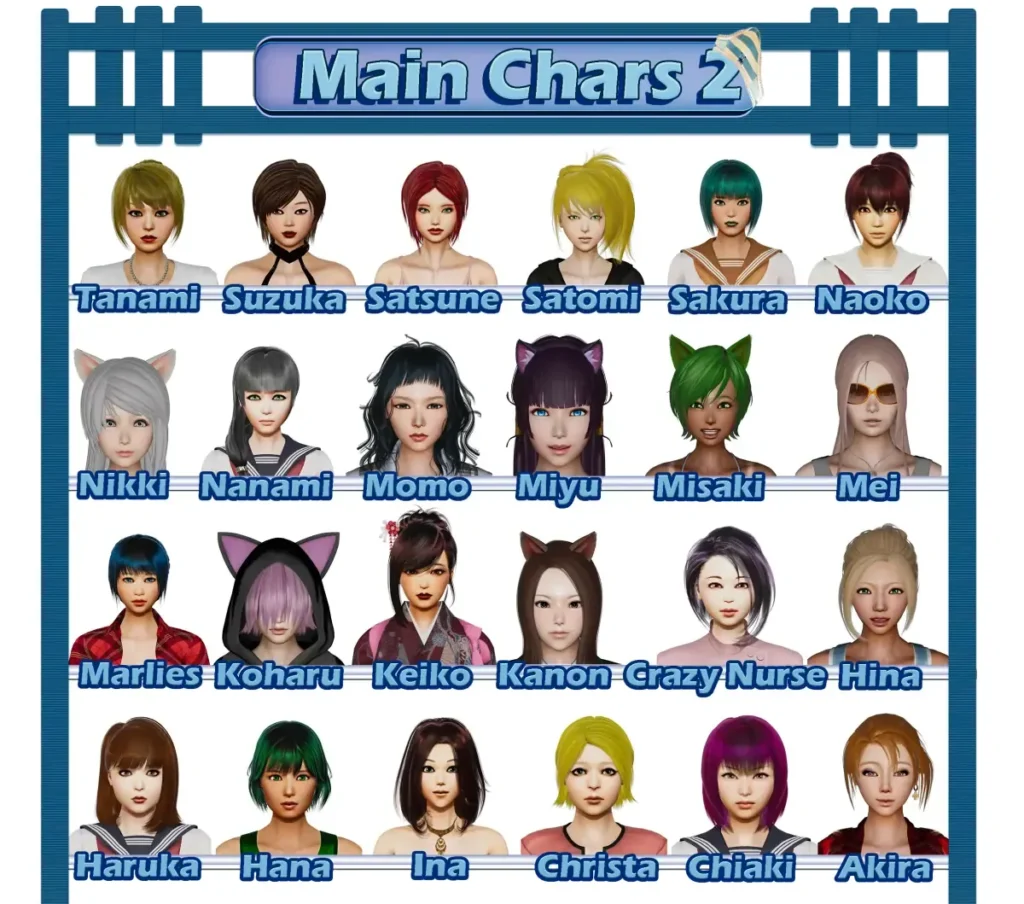
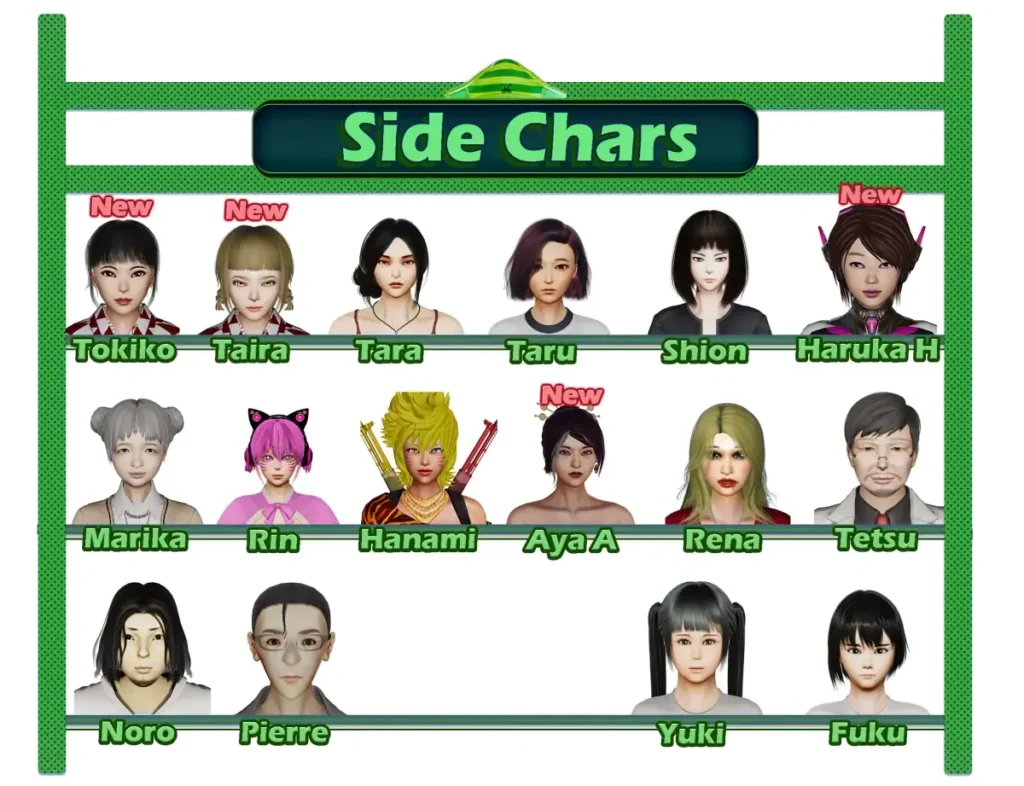
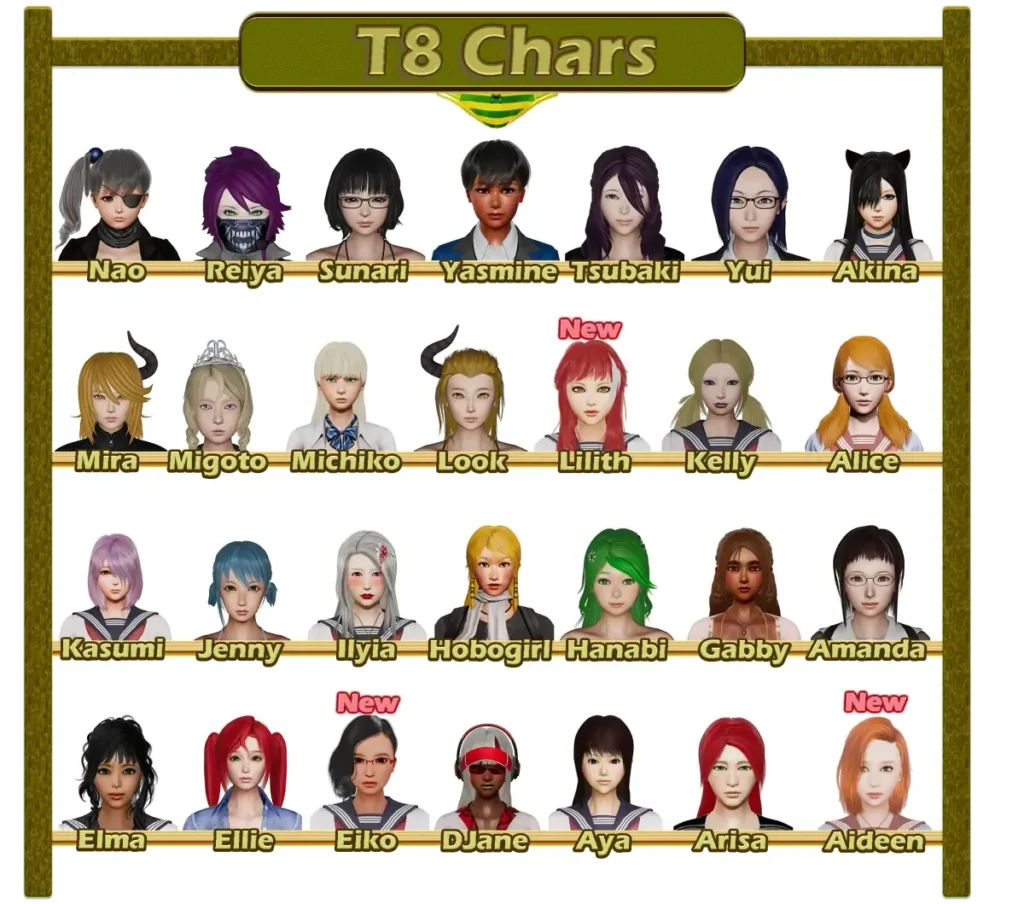
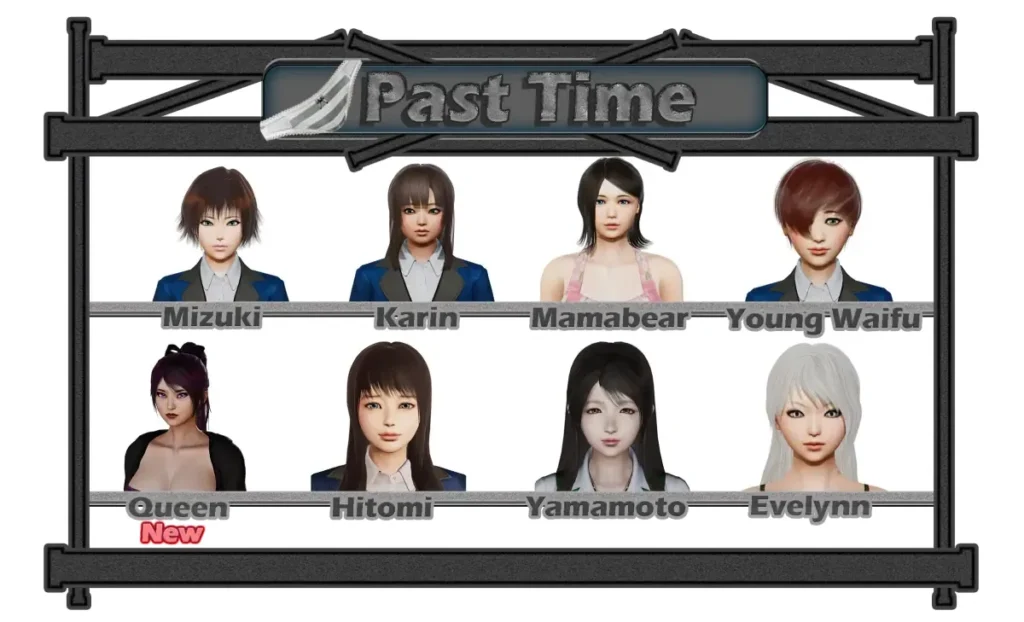
Ecchi Sensei stands out as a narrative-driven adult visual novel that combines slice-of-life storytelling with character-driven gameplay. The game follows a family man who relocates to a small town to teach at an exclusive 25,000 square meter all-female academy testing a revolutionary education system. What distinguishes this title from typical adult games is its emphasis on meaningful character progression, player agency through customizable content tags, and interconnected storylines featuring over 50 unique characters. Whether you’re drawn to interactive fiction, relationship simulation, or branching narratives with substantial replay value, understanding Ecchi Sensei’s core mechanics and design philosophy helps determine if this game aligns with your preferences.
Understanding Ecchi Sensei: Core Gameplay Mechanics & Story Structure
Ever downloaded an adult game expecting a rich story, only to find it’s just a series of disconnected scenes with paper-thin characters? 🙄 I know I have. It leaves you feeling like you’ve watched a movie where someone cut out everything but the “action” scenes—you’re left with no plot, no emotional investment, and frankly, no reason to care. That’s precisely why Ecchi Sensei was such a breath of fresh air for me. It’s not just another title in the genre; it’s a masterclass in how to build a narrative-driven adult game that respects your time and intelligence.
At its heart, Ecchi Sensei gameplay mechanics are built on a fascinating, and surprisingly relatable, duality. You step into the shoes of a dedicated family man and teacher who accepts a unique position at the massive, state-of-the-art Sakuragaoka Academy. This isn’t just a job; it’s a pivotal life experiment. Your mission is to navigate this world, forming genuine bonds with over 50 unique characters, each with their own dreams, insecurities, and stories, all while maintaining the delicate balance between your professional responsibilities and your family life at home. The game’s genius lies in making both halves of this life equally compelling. Forget mindless clicking; here, every conversation, every choice, and every relationship feels meaningful.
### What Makes Ecchi Sensei Different From Other Adult Games?
Most adult games operate on a simple formula: trigger scene, watch scene, repeat. Ecchi Sensei flips this script entirely. The “adult” content isn’t the destination; it’s a potential outcome of deep, player-driven narrative investment. 🎭 Think of it less like a checkbox to tick and more like the climax of a relationship arc you’ve carefully nurtured over many in-game weeks.
The difference is player agency. In many games, your choices are illusions, funneling you toward predetermined outcomes. In Ecchi Sensei, your choices from day one are the seeds from which vast, intertwining storylines grow. Deciding to spend your lunch break in the library instead of the faculty room might lead to a chance encounter with a shy bookworm, unlocking a entire subplot about helping her gain confidence. Choosing to stay late to grade papers might see you stumble upon the star athlete secretly struggling with academics, opening a path to become her trusted mentor (and perhaps more).
This focus on interactive fiction with player agency creates an unparalleled sense of discovery. You’re not just unlocking scenes; you’re uncovering layers of character. A throwaway line in Week 2 might be the key to understanding a character’s major crisis in Week 8. The game remembers everything, rewarding careful attention and encouraging you to see these digital people as complex individuals. This makes the slice-of-life moments—chatting in the courtyard, preparing a lesson, dealing with a minor school crisis—just as engaging as the more intense sequences, because they’re all building blocks in your unique story.
My Tip: Don’t rush. On my first playthrough, I tried to “see everything” and ended up missing the nuance. The real magic of Ecchi Sensei story branching is in committing to a role. Play as the stern but fair mentor in one run, and the easygoing, approachable friend in another. The game delivers completely different narratives.
### How the Tag-Based Customization System Works
This is where Ecchi Sensei truly innovates and sets a new standard for consumer-friendly design. We all have different tastes and comfort levels. What one player enjoys, another might wish to avoid. Traditional games force you to accept a monolithic package. Ecchi Sensei hands you the tools to build your own perfect experience through its revolutionary adult visual novel tag system. 🏷️
Upon starting, you’re presented with a comprehensive but intuitive menu of “tags.” These tags categorize specific types of content, character roles, relationship dynamics, and scenarios. You can enable the ones that appeal to you and disable the ones that don’t. It’s that simple, yet that transformative.
For example, if you’re only interested in building stories around certain character archetypes or prefer to focus on specific relationship styles, you can tailor the world to reflect that. This system isn’t about censoring the game; it’s about Ecchi Sensei character customization at a fundamental, narrative level. It ensures that the content you encounter is content you’re genuinely interested in, which dramatically increases immersion and enjoyment. It makes the game accessible to a much wider audience, allowing players to engage with the deep narrative and relationship mechanics without encountering elements that might break their immersion or comfort.
Let’s look at how this compares to the old way of doing things:
| Feature | Traditional Adult Game Approach | Ecchi Sensei’s Tag-Based System |
|---|---|---|
| Player Control | Minimal to none. Content is fixed and linear. | Maximum control. Players actively curate their narrative experience. |
| Customization | Limited to maybe difficulty settings or cosmetics. | Deep, narrative-level customization that filters core story and interaction opportunities. |
| Content Accessibility | “Take it or leave it.” Can alienate players with different preferences. | Inviting and adaptable. Welcomes players to enjoy the mechanics and story on their own terms. |
| Replay Value | Often low, as the same content is seen each time. | Exceptionally high. Changing your tag profile creates a functionally different game world to explore. |
This system respects you as a player. It acknowledges that your time is valuable and that your preferences are unique. By putting this power in your hands, Ecchi Sensei doesn’t just tell a story; it lets you define the very boundaries of the story you want to be told.
### Navigating the 25,000 Square Meter Academy Setting
The Ecchi Sensei academy setting is far more than a pretty backdrop. Sakuragaoka Academy, commissioned by Japan’s education minister as a testing ground for new pedagogical systems, is a 25,000 square meter character in its own right. 🏫 This scale is communicated brilliantly through the game’s exploration and schedule mechanics. You don’t just select locations from a menu; you feel the sheer size of the campus as you plan your day.
Your time is a precious resource. Will you patrol the vast grounds during your free period, potentially stumbling upon a student in need of advice? Or will you use that time in the sprawling library to research better teaching methods, which could unlock new dialogue options with intellectually curious characters? Perhaps you’ll visit the massive gymnasium or the secluded arts wing. Each area of the academy is tied to specific characters, events, and story triggers.
This intricately designed setting directly fuels the Ecchi Sensei gameplay mechanics. The academy’s layout encourages exploration and routine, but also allows for spontaneous discovery. The sense of place is palpable. You learn that the quiet bench under the old cherry tree in the east courtyard is where a certain melancholy student eats alone, or that the chemistry lab after hours is where the science club president conducts her unofficial experiments. Managing your professional life within this microcosm—planning lessons, attending meetings, fulfilling your duties as a teacher—is a core, satisfying loop that grounds the entire fantasy.
But the game masterfully intertwines this with your personal life. You don’t live at the academy. You go home. You have a family. The narrative tension between your inspiring, chaotic, and sometimes intimate life at Sakuragaoka and your responsibilities as a spouse and parent at home adds a layer of mature drama rarely seen in the genre. It creates real stakes for your choices and makes your relationships within the academy feel more consequential and real.
Let’s see this choice-driven narrative in action with a concrete example:
Imagine it’s a Tuesday after classes. You have two hours before you need to head home. You see that Aiko, a normally bright but recently distracted student, is lingering by her desk, looking at a failed test.
- Choice A: You decide to head to the staff room to finish your paperwork. The story continues, but Aiko’s plotline remains dormant. You might hear rumors later about her continued struggles.
- Choice B: You approach her and offer to tutor her, sacrificing your personal time. This simple act of kindness opens a branching storyline.
If you choose B, the narrative splits based on your subsequent actions and built-up relationship stats:
* Path 1 (Academic Focus): You focus strictly on the material. Over several sessions, you help her overcome her block. She aces the next test, her confidence restored. This strengthens a pure mentor-student bond, unlocking new scenes where she seeks your advice on her future career, leading to a heartfelt, platiful conclusion to her arc.
* Path 2 (Emotional Discovery): During your sessions, you use high “Empathy” dialogue choices. She opens up about pressure from her family. The story shifts from pure academics to emotional support. This deepens your connection differently, potentially leading to a more personal, confiding relationship that changes the tone of all your future interactions.
* Path 3 (The Rivalry): You discover her distraction is due to a competitive rift with another student in your circle. Helping her navigate this becomes a delicate subplot involving multiple characters, where your choices can mend the rivalry or intensify it, affecting your standing with both.
This one decision—to tutor a student—ripples outwards, affecting her character arc, your relationship with her, and potentially tangling with other storylines. It’s a perfect demonstration of Ecchi Sensei story branching and how the game makes you feel like the author of your own complex, interconnected novel.
Ultimately, Ecchi Sensei is a game about connection and consequence. Its core gameplay mechanics are designed not for instant gratification, but for long-term, emotional payoff. The innovative tag system empowers you, the vast academy setting immerses you, and the profound story branching rewards you. It proves that within the framework of an interactive fiction with player agency, you can craft stories that are mature, thoughtful, and deeply engaging, making it a standout title that redefines what narrative-driven adult games can be. Your lesson plan is blank; your students await. What story will you teach them? ✏️📖
Ecchi Sensei represents a distinctive approach to adult gaming by prioritizing narrative depth, character development, and player agency over pure sensationalism. The game’s 50+ character roster, branching storylines, and tag-based customization system create a personalized experience where intimate content serves character progression rather than existing as standalone elements. Its slice-of-life setting combined with meaningful relationship mechanics encourages multiple playthroughs, as player choices genuinely shape outcomes and character arcs. Whether you’re drawn to interactive fiction with substantial replay value, relationship simulation with emotional stakes, or adult games that respect player preferences through customization, Ecchi Sensei offers a comprehensive experience that rewards investment and curiosity. The game’s emphasis on discovery, earned moments, and interconnected character relationships distinguishes it within the adult gaming landscape, making it worth exploring if narrative-driven gameplay with character-focused content appeals to you.