Tales of Unity
Play Tales of Unity
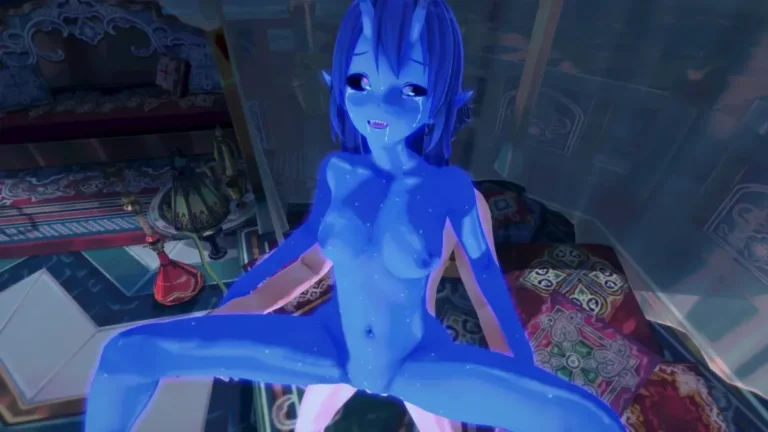
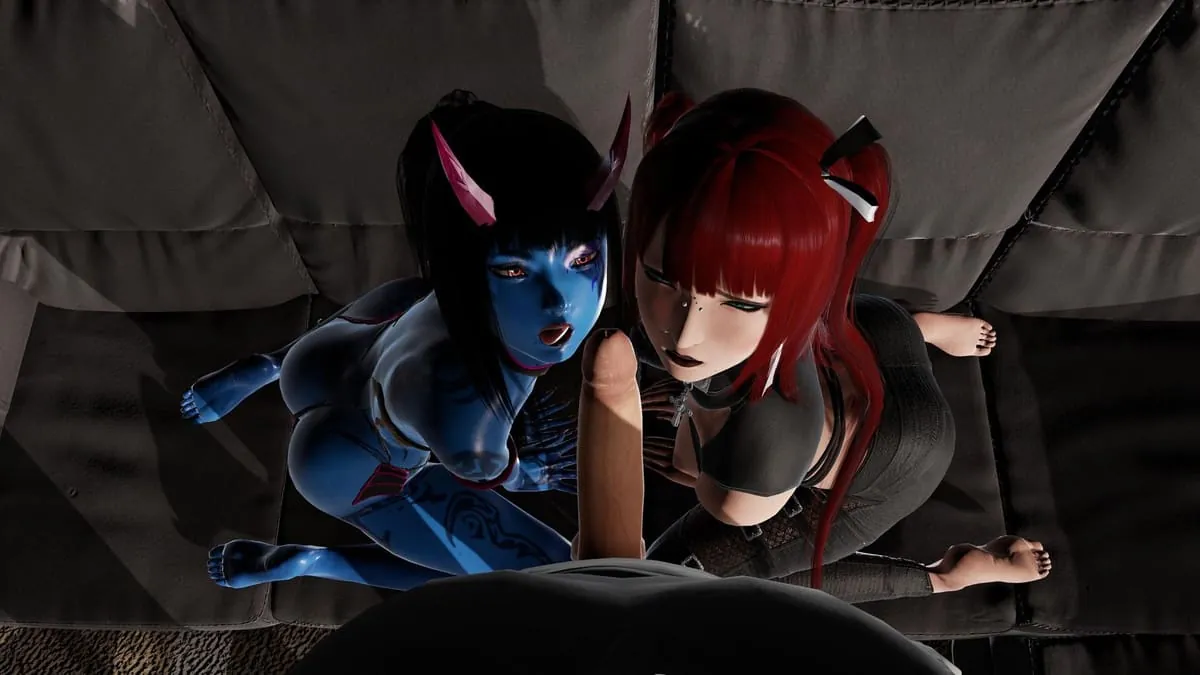
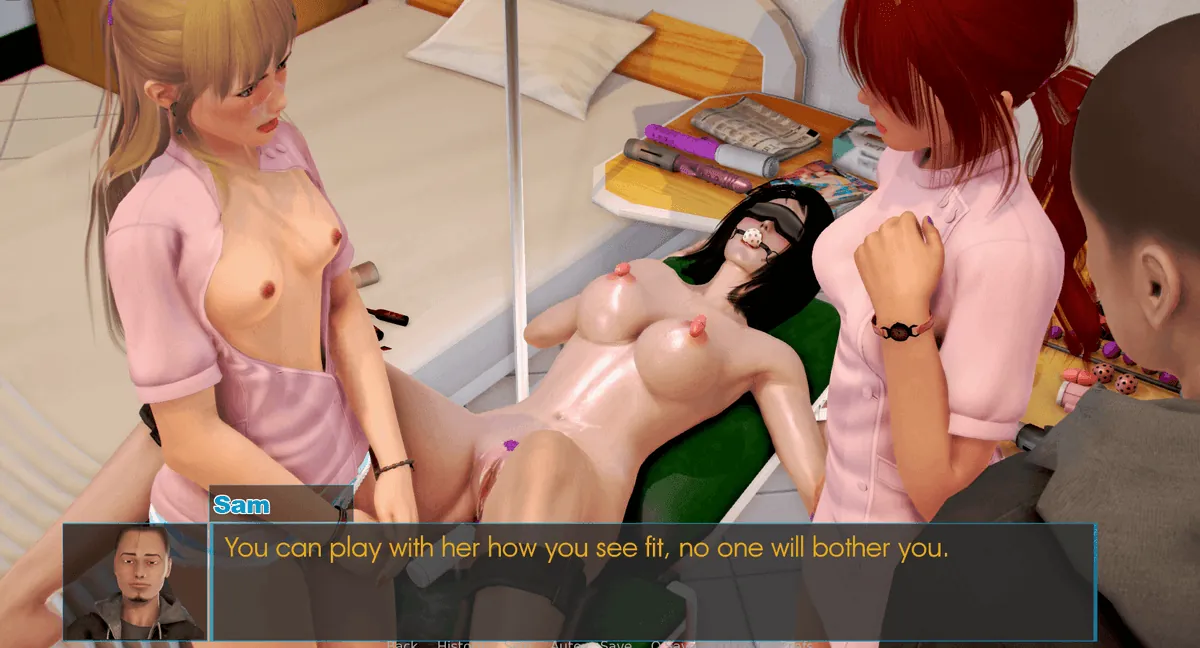
Tales of Unity Screenshots
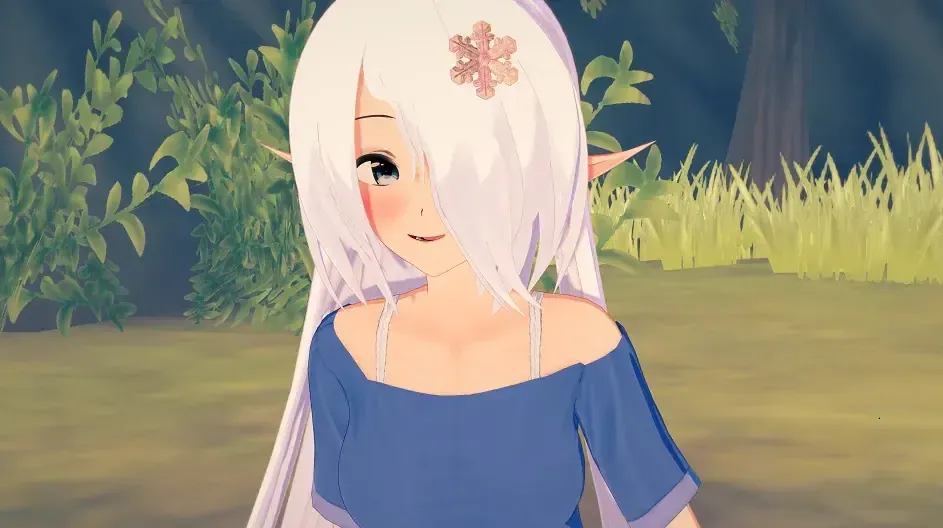
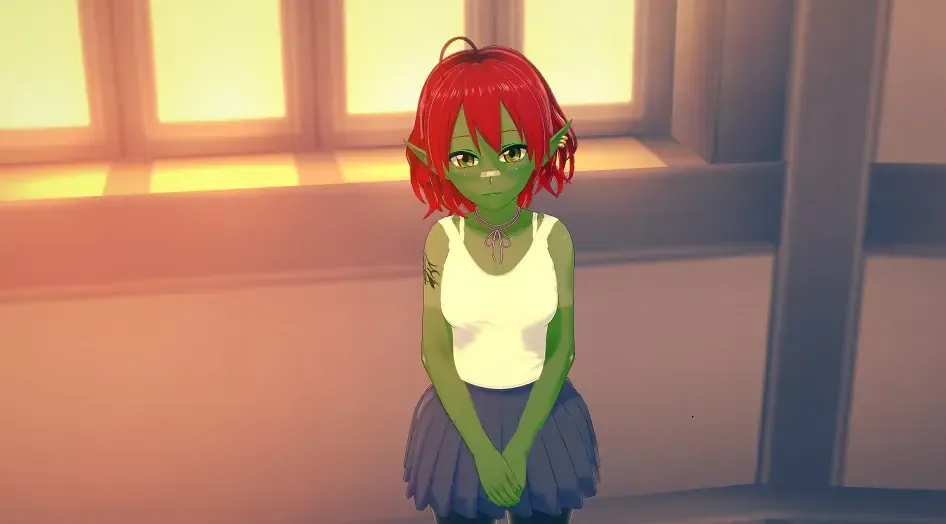
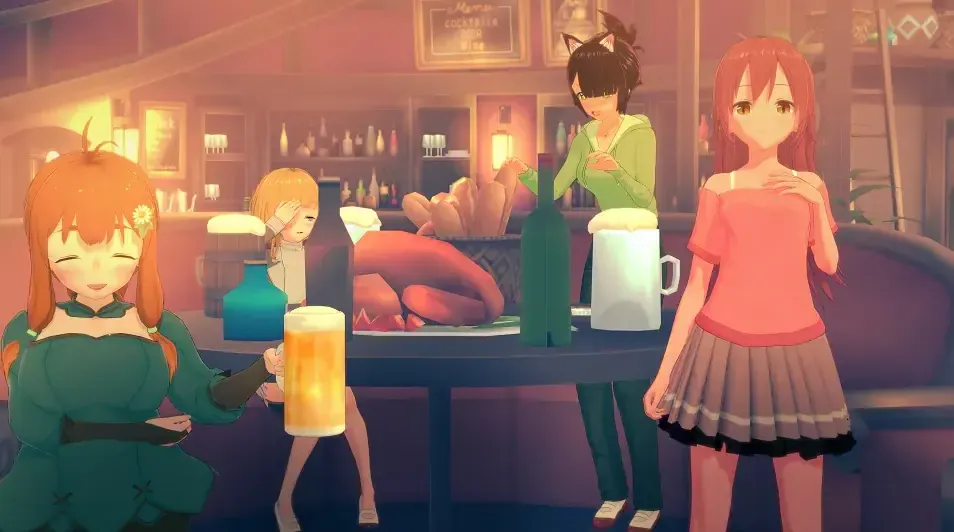
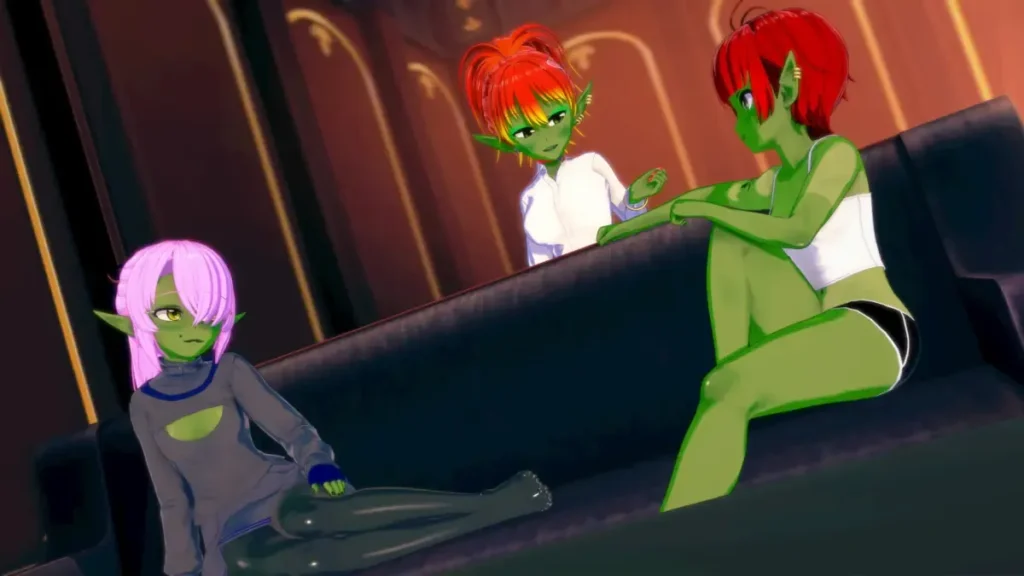
Tales of Unity review
Discover the gripping story, deep characters, and thrilling scenes in this standout title
Imagine diving into a world where humanity claws its way back from 30 years of enslavement after a brutal war against elves, goblins, and other races. That’s the hook of Tales of Unity, the adult game that’s captivating players with its masterful storytelling and steamy encounters. I first stumbled upon it after exhausting my favorites like Hero’s Harem Guild, expecting familiar exploration mechanics—but what I got was a narrative powerhouse that rivals mainstream titles. With rich characters, sharp comedy, and intense adult moments, this game hooked me from the start. In this guide, I’ll share why it’s a must-play, my personal playthrough insights, and tips to maximize your enjoyment.
What Makes Tales of Unity a Storytelling Masterpiece?
I remember booting up Tales of Unity for the first time, expecting another fun-but-forgettable adult game experience. You know the type: a thin premise, characters who are more like collections of traits than people, and scenes that feel disconnected from any real plot. I’d played my share of titles like Hero’s Harem Guild and Champion of Realms—enjoyable in their own right—but nothing prepared me for the narrative punch this game delivered. 😲 Within an hour, I wasn’t just clicking for the next scene; I was genuinely invested in a world recovering from a devastating war and the people trying to rebuild it. That’s the magic trick this game pulls off: it makes you care, deeply, before it ever asks for your… ahem, engagement. This is the core of the Tales of Unity story—a rich, character-driven epic that stands head and shoulders above its peers.
The secret? It treats its narrative with the seriousness of a top-tier RPG. The Tales of Unity narrative doesn’t use its setting as mere wallpaper. It builds a compelling, politically charged world where every relationship and conflict has weight. If you’re searching for the best storytelling adult games, look no further. This title proves the genre can deliver profound, memorable tales that stick with you long after you’ve finished playing.
Unpacking the Post-War Human Struggle Narrative
So, what’s the world of Tales of Unity all about? Thirty years ago, humanity lost a brutal war—a war they arrogantly started. The consequence wasn’t just defeat; it was total subjugation. This humanity slavery plot Tales of Unity explores isn’t just a dusty history lesson; it’s the living, breathing trauma that defines every interaction. Humans are now the lowest class in a society dominated by proud Elves, cunning Goblins, and other races. They struggle for basic rights and respect, a shadow of their former prideful selves.
But the game begins at a turning point: the dawn of a fragile new treaty promising equality. You step into this world not as a conquering hero, but as a negotiator and bridge-builder. The tension is palpable 🤯. Elven generals distrust any human ambition, Goblin merchants exploit old loopholes, and human factions are torn between seeking peaceful integration or stoking the embers of rebellion. The brilliance of this setup is how it personalizes a grand political drama. A simple market dispute over prices can explode into a shouting match about reparations and historical guilt. This lore isn’t delivered in boring scrolls; you live it through every conversation and choice.
The Tales of Unity story excels because your decisions directly shape this fragile peace. Will you advocate for aggressive human advancement, potentially reigniting old fears? Or will you pursue diplomacy at every turn, even if it means some of your people continue to suffer? These branches aren’t just “good or evil” paths; they are nuanced political stances with real consequences for which characters trust you and which scenes you unlock. This is why Tales of Unity story excels—it gives narrative power to the player in a way that feels meaningful and morally complex.
How Deep Characters Drive Emotional Engagement?
A great world is nothing without the people in it, and here is where Tales of Unity truly becomes a masterpiece. The Tales of Unity characters depth is astonishing. These aren’t just romantic interests; they are fully realized individuals with pasts, traumas, dreams, and contradictions that make them feel breathtakingly real.
Let’s talk about Elara, the Elven liaison assigned to work with you. On the surface, she’s the picture of composed, aristocratic grace. But as you bond with her, you learn her family was nearly ruined in the war by human tactics. Her professional demeanor is a shield, hiding a deep-seated fear and anger that she’s struggling to overcome in the name of peace. Every interaction with her is a delicate dance—one wrong move and those walls slam back up.
Then there’s Marcus, a human blacksmith with forearms like tree trunks and a heart to match. He’s not a fighter; he’s a builder. His motivation is simple: to create something lasting and beautiful in a world that only knows how to destroy. His storyline isn’t about vengeance; it’s about the quiet, resilient hope of the common person, and it’s incredibly moving. 😌
My most powerful moment came with Kael, a half-Goblin, half-Elf informant living in the city’s grimy underbelly. During a pivotal scene, he’s cornered by old associates. The game presented me with a choice: pay off his debts with my limited funds (slowing my own progress) or use my official influence to scare them off (risking his reputation as an independent agent). I chose to pay. What followed wasn’t a simple “thank you.” Kael, a character built on cynicism, broke down. He revealed his constant fear of being owned by anyone—a direct scar from the war’s slave economy—and my choice to help without strings was the first true kindness he’d accepted in years. It was a raw, vulnerable moment that changed our entire relationship. That’s the power of Tales of Unity characters depth; they evolve based on how you see them, and they, in turn, change you.
| Game | Story Strengths | Unique Narrative Edge |
|---|---|---|
| Tales of Unity | Political depth, character evolution, integrated world-building | Uses a post-war slavery premise to explore nuanced themes of guilt, reconciliation, and identity. |
| Hero’s Harem Guild | Lighthearted adventure, team-building fantasy | Focuses on collective group dynamics and classic “party” camaraderie. |
| Champion of Realms | High-stakes epic fantasy, clear heroic journey | Delivers a straightforward, power-fantasy narrative centered on a destined hero. |
Blending Comedy and Tension for Unforgettable Moments
Now, you might think a game with a humanity slavery plot would be unrelentingly grim. This is where the Tales of Unity comedy elements shine as a masterstroke of pacing. The writers know exactly when to inject levity, often using character quirks and witty dialogue to cut through the tension. It’s never slapstick or out of place; it’s the kind of humor that arises from personality clashes and absurd situations.
For instance, after a heavy council meeting about resource allocation, you might find your stoic Elven bodyguard utterly baffled by a human “flea market,” muttering about the disorganized display of “potentially cursed trinkets.” Or a fiercely serious negotiation with a Goblin trade boss can be derailed by his obsessive, petty rivalry with another merchant over who has the better decorative office fungus. 😂 These moments do more than make you laugh; they make the world feel lived-in and the characters more relatable. They remind you that even in a world healing from massive trauma, life’s small, silly dramas go on.
This balance is crucial. The comedy makes the dramatic beats hit harder, and the serious stakes make the moments of levity feel earned and precious. It’s a tonal tightrope walk that Tales of Unity performs flawlessly, creating an emotional rollercoaster that is entirely gripping.
So, how can you get the most out of this incredible story? Here’s my actionable advice:
* Talk to Everyone, Always: NPCs have new dialogue after almost every major story beat. Their changing perspectives are a window into the evolving world.
* Embrace Replays: The Tales of Unity narrative is packed with branches. Play once following your gut, then again making deliberately different choices. You’ll be shocked by how much new content and character insight you discover.
* Read the Codex Entries: Unlocked as you play, these provide delicious extra context about historical events and racial cultures that deepen your understanding.
* Don’t Rush the Scenes: The most impactful character moments are often the quiet conversations, not just the major plot events. Linger in them.
In my opinion, why Tales of Unity story excels where others falter is its respect. It respects its world, its characters, its themes, and, most importantly, it respects you, the player. It trusts you with complex moral dilemmas and rewards you with genuine emotional payoff. It’s not just an adult game with a good story; it’s a genuinely great story that happens to be in an adult game. For anyone who believes interactive stories can be as powerful as any book or film, this title is an essential play. It didn’t just meet my expectations; it completely rewired them. ✨
Frequently Asked Questions (FAQ)
Q: Does Tales of Unity have meaningful branching paths?
A: Absolutely! Your key decisions in dialogues and major events can significantly alter character relationships, unlock unique scenes, and influence the political landscape of the story, leading to different narrative outcomes.
Q: How does the war backstory and slavery plot actually affect the gameplay?
A: It’s the foundation of every interaction. It determines how characters from different races initially view you, opens up specific dialogue options and quests related to historical justice or tension, and creates the core conflict you must navigate as a peacemaker.
Q: Is the story complete, or is it left on a cliffhanger for a sequel?
A: The main Tales of Unity story presented in the game is a complete, satisfying narrative arc with a definitive conclusion. It resolves its core conflicts while leaving the wider world rich with potential for future stories.
Q: Can I enjoy the game if I’m primarily interested in the story and characters?
A: Without question. The depth of the Tales of Unity narrative and the Tales of Unity characters depth are the game’s foremost strengths. The adult scenes are well-integrated but feel like a natural outgrowth of the relationships you build, rather than the sole focus.
From humanity’s gritty fight for freedom to the richly drawn characters and clever humor, Tales of Unity stands out as a gem in adult gaming that prioritizes story as much as excitement. My time with it reminded me why we play these titles—not just for the thrills, but for worlds that pull you in deep. If you’re craving a blend of epic tale and intimate moments, grab it from itch.io, join the Discord for updates, and dive in. You’ll emerge wanting more updates from Stronkboi. What’s your favorite scene? Share in the comments—I’d love to hear your take!