
The Fate of Irnia
Play The Fate of Irnia
The Fate of Irnia Screenshots
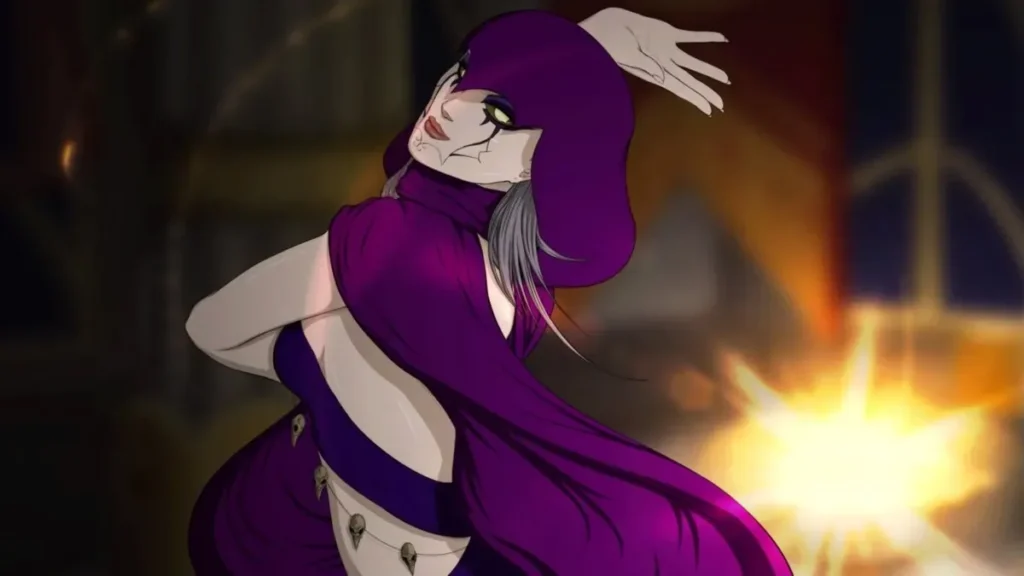
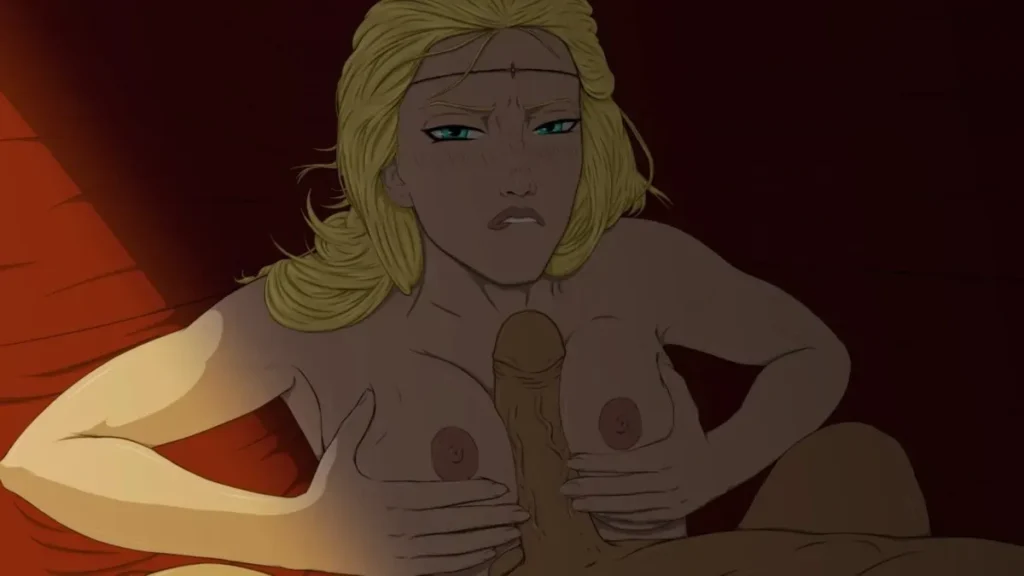

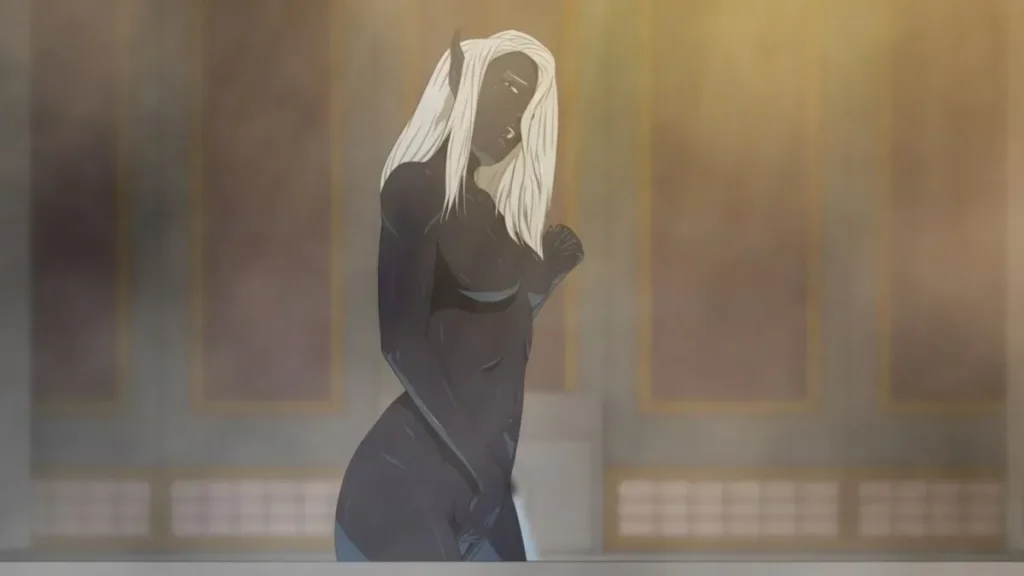
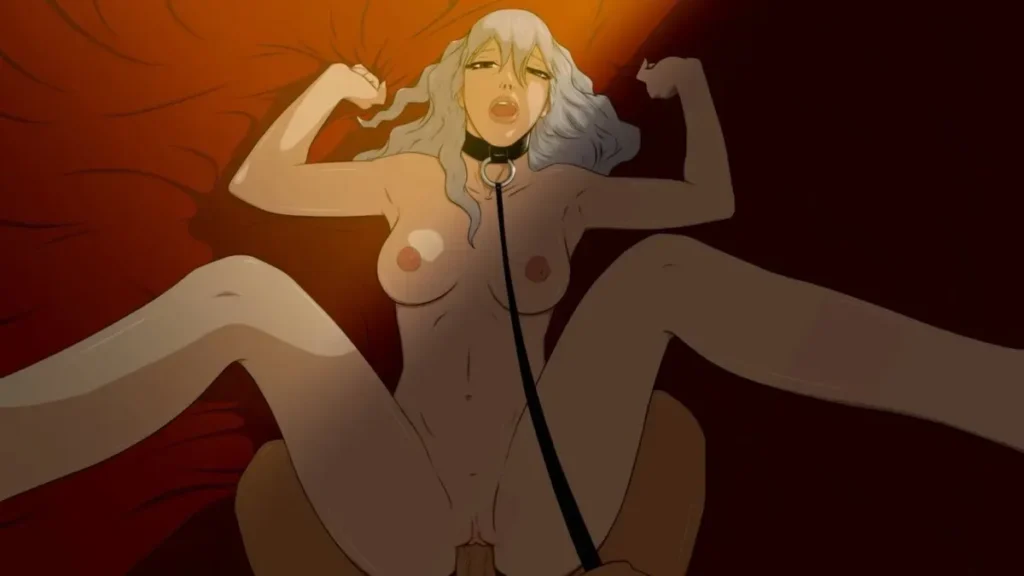

The Fate of Irnia review
Master the branching narrative, unlock all romance routes, and discover how your decisions shape the kingdom’s destiny
The Fate of Irnia stands out as a richly layered fantasy experience where every decision carries genuine weight. This visual novel combines immersive worldbuilding with a branching narrative system that creates dozens of unique story variations. Whether you’re navigating political intrigue, pursuing romance with compelling characters, or uncovering the mysteries surrounding your father’s past and the cyclical orc invasions, your choices determine not just personal relationships but the fate of entire communities. If you’re curious about how this game delivers meaningful player agency and what makes each playthrough feel distinctly personal, this guide explores everything you need to know about mastering The Fate of Irnia’s complex systems and discovering all it has to offer.
Understanding the Branching Narrative System
Ever felt like your choices in a story don’t really matter? 🫤 You pick the “nice” option, get a smile, and move on. It’s satisfying, but deep down, you know the plot was going where it was going anyway. The Fate of Irnia throws that entire concept out the window. Here, every dialogue choice, every alliance, and every moment of trust or betrayal doesn’t just add flavor—it rewrites the script of the kingdom itself. This isn’t a path with a few scenic detours; it’s a dense, living forest where every turn you take leads to a completely new wilderness. Welcome to a visual novel choice system with real teeth.
The magic of The Fate of Irnia lies in its commitment to player choices consequences. You’re not just guiding a protagonist; you’re a narrative architect, and the blueprint changes with every decision. This guide will pull back the curtain on how this incredible system works, helping you master its twists and uncover every secret it holds.
How the Story Adapts to Your Decisions
Forget simple “good vs. evil” sliders. The Fate of Irnia operates on a “spiderweb” narrative structure. Imagine a central story point—say, your first council meeting. From that single point, four or five major threads spin out based on your stance: do you advocate for diplomacy, military strength, economic reform, mystical solutions, or perhaps a ruthless consolidation of power? 🕸️
Each of those major threads isn’t a straight line. It’s a new branch that immediately begins splitting into smaller, more personal narrative tree variations. That early choice to support the military might lead you to a trusted general companion. But then, do you follow his aggressive strategies to the letter, or do you secretly undermine him to prevent a massacre? Each sub-choice creates another fork, and another, until you’re on a path utterly unique to your playthrough.
I remember my first two runs vividly. In one, I played a compassionate ruler who used the ancient Orb of Insight to comfort grieving citizens and heal old wounds. This nurtured deep loyalty in the peasantry and unlocked quiet, heartfelt scenes with a certain healer character. In my next run, curious about the story branches unlock, I used the same orb to subtly manipulate those same citizens, ferreting out secrets and blackmailing dissidents. The game didn’t just give me a “dark alignment point.” It transformed entire locations! The once-open market square became a place of fearful whispers, and my companion was no longer the gentle healer, but a cynical spymaster who appreciated my “pragmatism.”
The system tracks everything—your reputation with each faction, hidden affection points with characters, even seemingly throwaway promises you made in Act 1. This creates a cascade of player choices consequences that can blindside you hours later. Snub a noble’s request for aid, and you might find their province has seceded when a crisis hits, cutting off crucial resources. Save a soldier’s life early on, and he could be the one to intercept an assassin’s blade meant for you in a late-game scene you otherwise wouldn’t have seen.
This profound impact is best illustrated by how a single decision can alter the entire landscape of your journey:
| Your Key Decision | Immediate Character Relationship Change | Mid-Game Story Branch Consequence | End-Game World State Possibility |
|---|---|---|---|
| Spare the captured rebel leader | Gain a loyal, if cautious, ally in the resistance. Lose trust with the Royal Guard captain. | The rebellion provides inside information to thwart a coup, unlocking a stealth-based mission arc. | A unified kingdom that integrates reformed rebels, leading to a “Reconciliation” ending. |
| Execute the rebel leader publicly | The resistance becomes violently radicalized. The Royal Guard captain is fiercely loyal. | You face constant terrorist attacks in the capital, leading to a martial law story arc. | A “Iron Peace” ending where the kingdom is stable but ruled through fear and oppression. |
| Secretly recruit the rebel leader as a spy | Begin a duplicitous romance subplot. Everyone’s trust is conditional and fragile. | You navigate a complex web of double-agents and misinformation, unlocking espionage content. | A “Shadow Crown” ending where you control all factions from the darkness, but are utterly alone. |
Multiple Endings and Their Triggers
So, with all these branches, where do we end up? The Fate of Irnia boasts a stunning array of conclusions, and calling them “endings” feels almost too small. These are the final, crystallized results of every interaction you’ve had. There’s no single “best” ending, only the one you’ve earned through your cumulative journey.
The endings are primarily determined by three pillars: the Political State of Irnia, the Status of Your Key Relationships, and the Resolution of the Death Curse. Did you manage to unite the fractious noble houses, or did you burn them all down to rule over the ashes? Is your closest ally your lover, your friend, or did you walk the path so ruthlessly that you stand entirely alone at the climax? 🏰❤️👑
These aren’t independent checkboxes. They weave together. A “United Kingdom” ending might require a successful romance with a character who can bridge political divides, turning a personal bond into a tool for national salvation. Conversely, pursuing a romance with a character from a hated faction might lock you out of political unity but lead to a beautiful, tragic “Love in Exile” ending.
Now, let’s talk about the most unforgettable path: the Death route Fate of Irnia. This isn’t a “game over” screen. It’s a deliberate, haunting narrative branch triggered by a series of specific, often self-destructive or morbidly curious choices. If you persistently ignore the kingdom’s plight, delve too deep into forbidden magic without safeguards, or betray one too many souls, you may attract the attention of Death itself—not as an enemy, but as an… intrigued observer.
Encountering Death is a masterclass in atmospheric storytelling. The world grows cold, colors drain, and time seems to stutter. Your dialogue choices with this entity are among the most philosophical and chilling in the game. Pursuing this route can lead to endings where you transcend mortal rule entirely, becoming Death’s companion, or where you bargain for the soul of the kingdom at a terrible, personal cost. It’s a brilliant example of how The Fate of Irnia branching narrative accommodates not just different stories, but different tones and genres within the same world.
Tip: Want to see a radically different finale? For your next run, focus on a single faction to the exclusion of all others, and choose romance options based solely on political advantage. The ending will reflect a ruler who saw people as tools, and the kingdom will mirror that coldness.
Unlocking Hidden Content and Secret Routes
Ah, the real treasure hunt! 🗺️✨ The Fate of Irnia is layered with content designed for explorers. The mutually exclusive romance routes are the most obvious example. Choosing to pursue a deep connection with the stoic knight, Lady Valeria, will automatically close off the path to the charming rogue, Kaelen. But it’s more than just locking a character out of your heart—it locks out their entire associated story arc. Romancing Valeria will immerse you in military campaigns and the culture of the northern holds, while Kaelen’s route is a journey through the underworld and pirate covets. These are full, novel-length subplots you only see by committing.
But secrets go beyond romance. Remember the “death curse” mechanic? This is the game’s elegant answer to failure states. If you make a catastrophic mistake—like trusting the wrong informant—a main character might die. But the story doesn’t reload. Instead, the “death curse” manifests: a permanent, narrative-driven debuff that symbolizes the kingdom’s grief or your character’s trauma. It makes subsequent challenges harder, yes, but it also unlocks new, somber dialogue options and story beats you could never see otherwise. Beating the game with a death curse active is its own unique, bittersweet achievement.
To truly master the story branches unlock, you need to think in cycles, not lines. Here’s my actionable advice from countless hours of play:
- Embrace Specialization: Don’t try to make everyone happy in one run. Pick a personality—the Compassionate Healer, the Cunning Spy, the Unyielding General—and stick to it. This consistency is what drives you down a major branch deep enough to find its hidden fruit.
- Talk to Everyone, Always: After every major story beat, do a full round of the castle, the town, the campsite. Characters will have new, often temporary dialogue that can hint at future opportunities or reveal hidden quest triggers.
- Investigate the Obscure: That weird, glowing tree in the forest that doesn’t seem part of a quest? Click it. The ancient book in the library with a weird title? Read it. The Fate of Irnia rewards pure, unstructured curiosity with lore, items, and even chance encounters that can subtly tilt the narrative tree variations in your favor.
- Use the “Echo” Feature: In the game’s scene log, sometimes you’ll see an “Echo” option on key decisions. This lets you hear the character’s internal monologue at that moment. It’s a fantastic tool for understanding why a choice leads where it does, revealing the nuanced player choices consequences the game is tracking.
Ultimately, the power of The Fate of Irnia branching narrative is that it makes you feel responsible. There’s no “illusion of choice” here. When you reach one of the many multiple endings Fate of Irnia has to offer, you can trace a direct line back through dozens of decisions, big and small, that led you there. The kingdom’s destiny isn’t pre-written; it’s a story you build, break, and rebuild with every playthrough. Now go on—your choices await. The fate of Irnia is, without question, in your hands.
The Fate of Irnia delivers a compelling fantasy experience that successfully combines adventure, romance, and meaningful player agency into a cohesive whole. The game’s strength lies in its commitment to player choices that have real consequences – from branching narratives that spiderweb into dozens of variations to romance routes that fundamentally alter your story’s emotional core. Whether you’re drawn to the sweet connection with Jenny, the dominative thrill of Ghorza’s path, or the ethereal mystery of the Water Naiad, each playthrough feels uniquely yours. The orb mechanic adds substantial interactivity that makes progression feel earned, while the high-stakes consequence system ensures that every decision carries weight. With its richly detailed world, deep relationship mechanics, and the looming threat of cyclical orc invasions, The Fate of Irnia offers substantial depth for players seeking immersive storytelling where they’re not just reading about a world but actively writing its history. If you’re ready to discover what kind of hero—or perhaps something else entirely—your protagonist will become, dive into this richly layered experience and explore the countless paths waiting to be uncovered.